

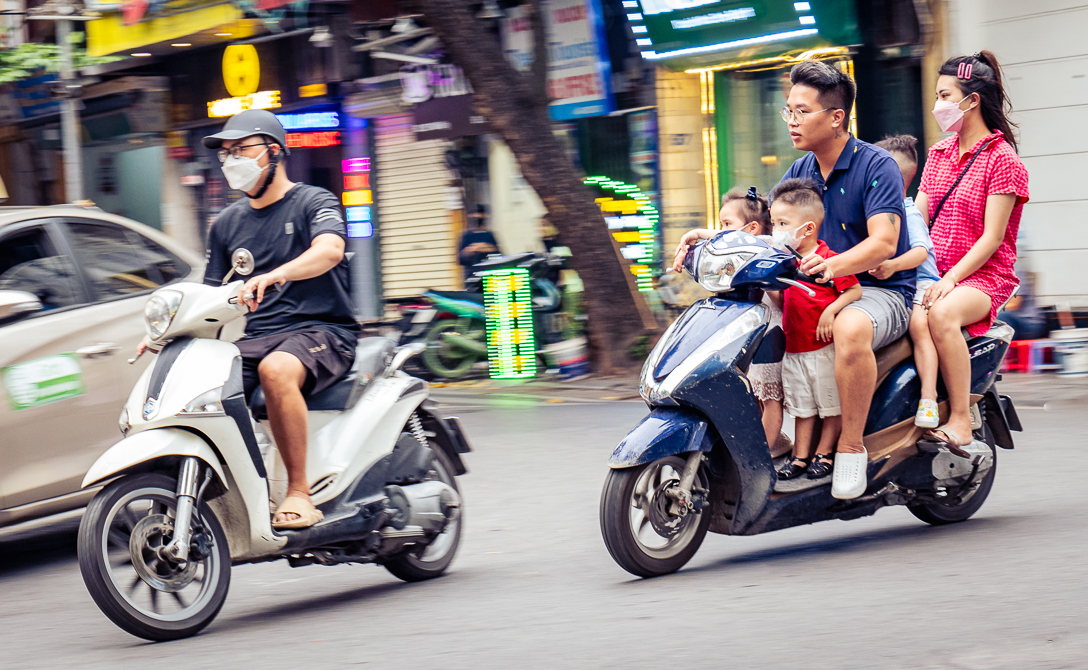
Good morning Hanoi!
So, this is one of around four posts I’m writing about my time in Vietnam in early August. What a trip and what a fantastic country. We spent just under three weeks there, first flying into Hanoi, then down to Ha Long Bay, followed by Hoi An and Da Nang and finally Ho Chi Minh City. The food was magnificent, the weather was super hot and stifling, people were incredibly friendly and the cost of living was VERY reasonable. As for the traffic and the gazillion of motorbikes, well lets just say, that’s on a whole new level of entertainment in and of its self! Anyhoo, all this made for some great photography and below is a small selection of images I took in Hanoi on our epic travels.
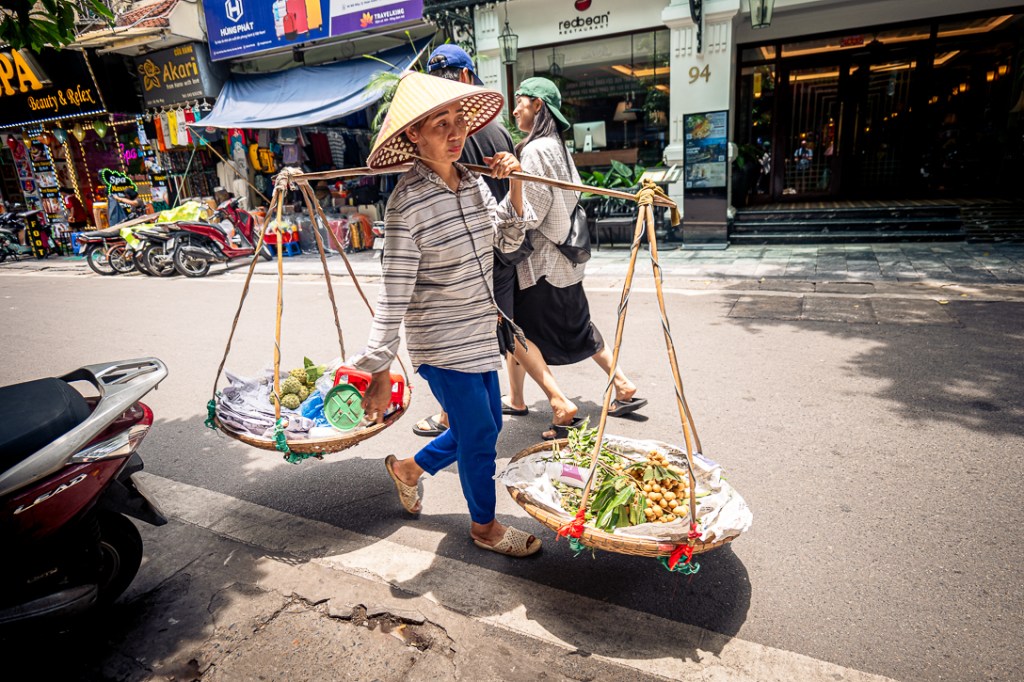
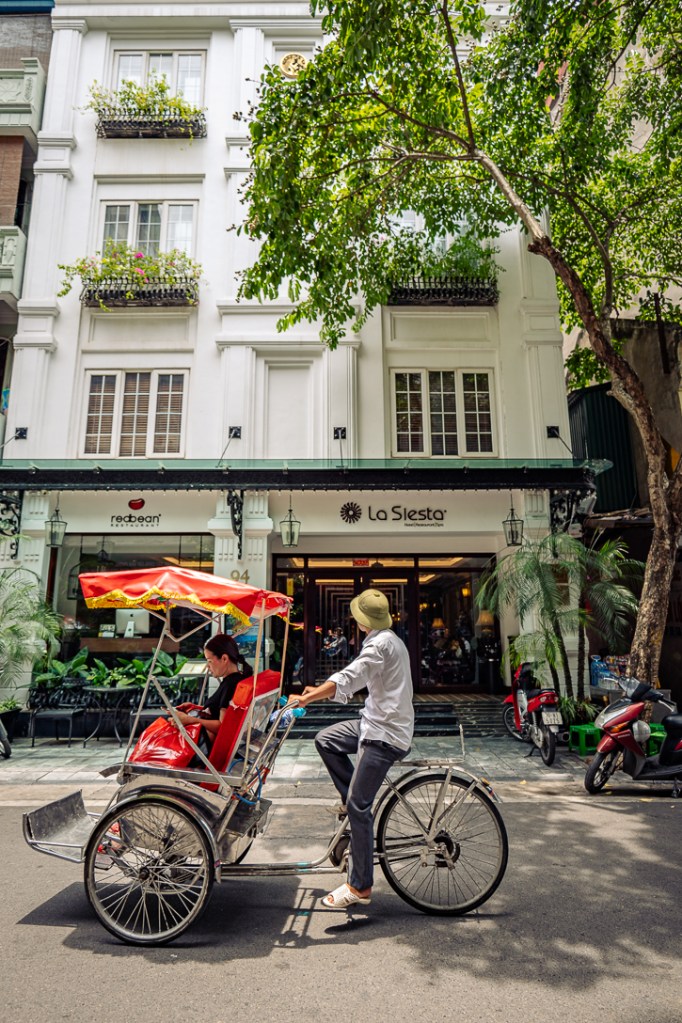
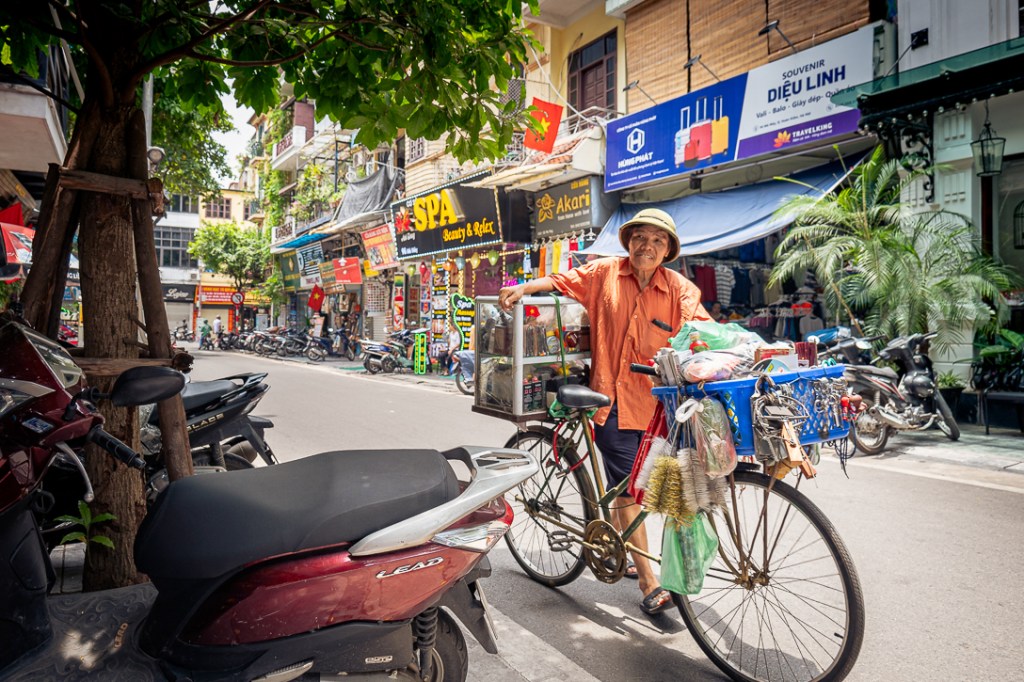
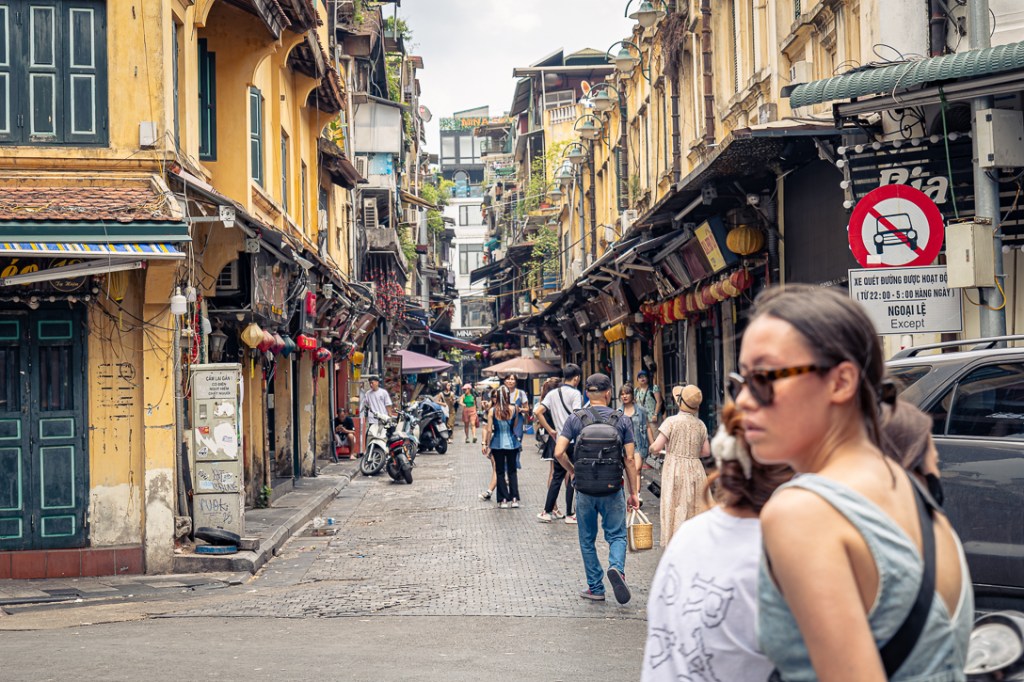
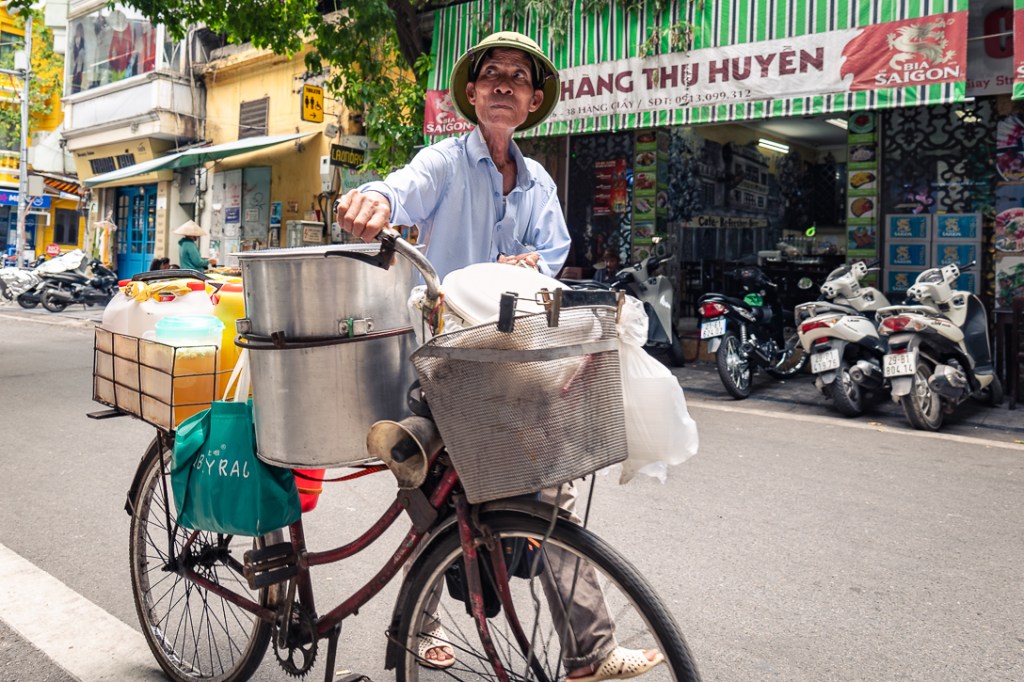
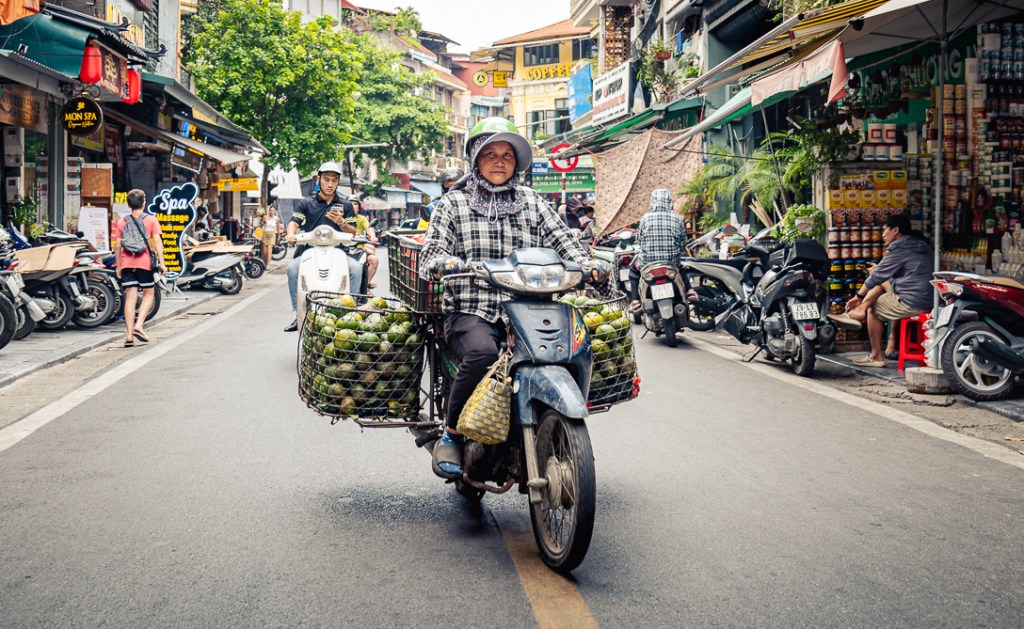
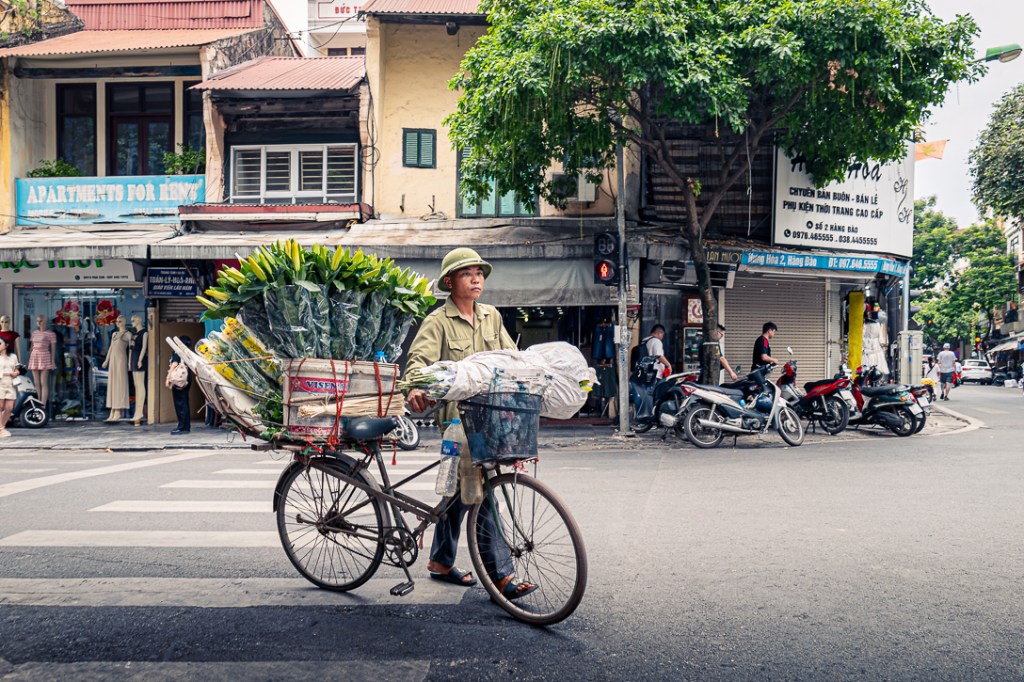
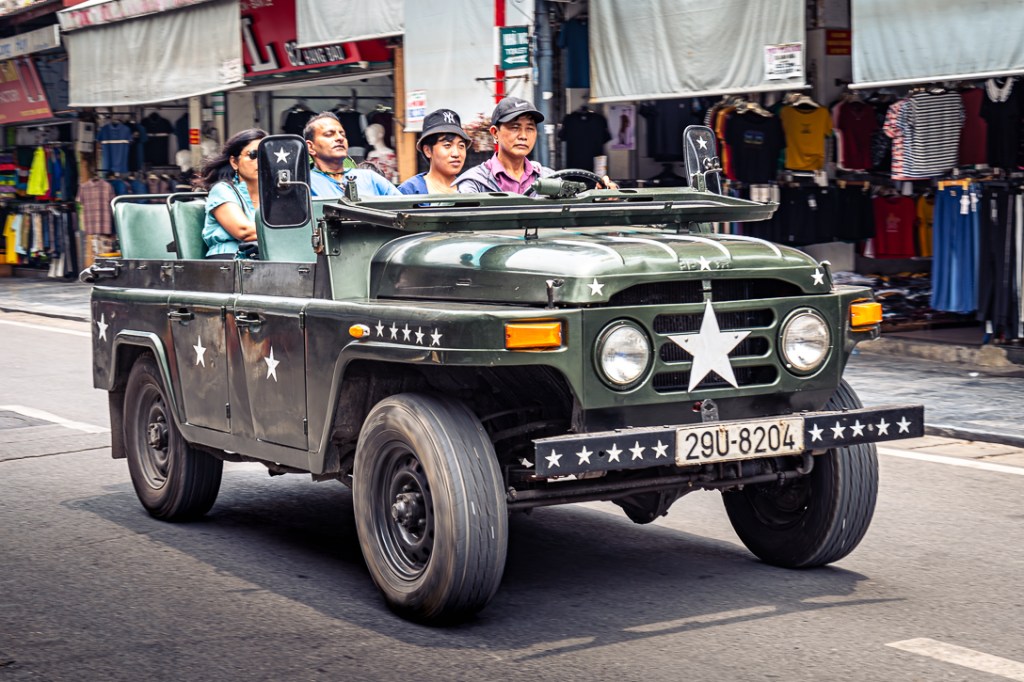
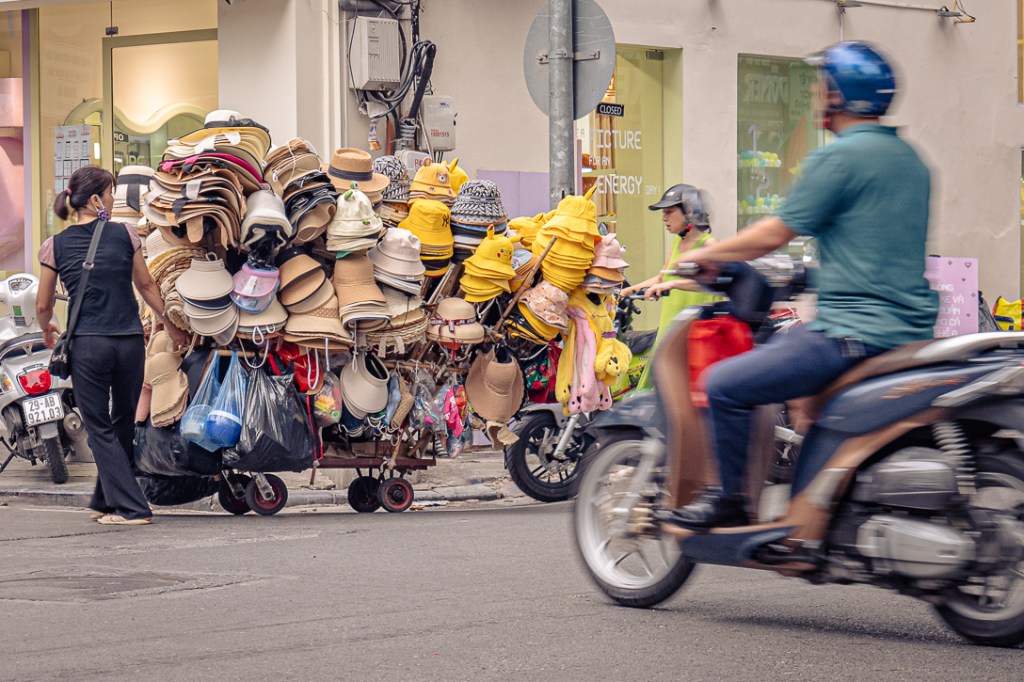

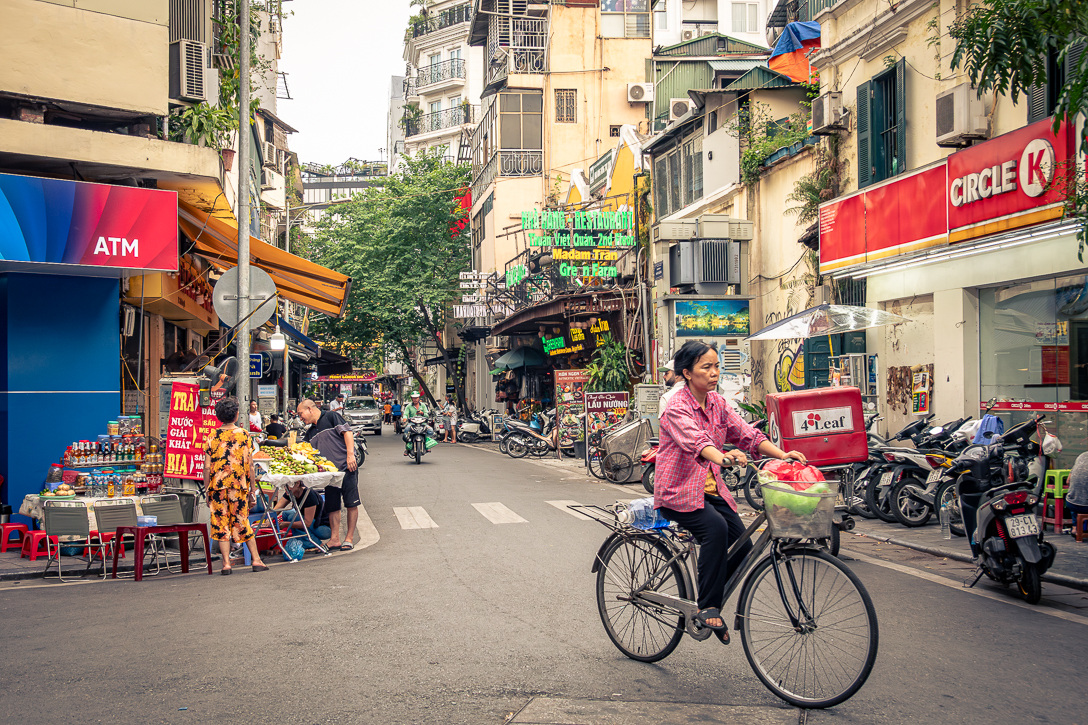
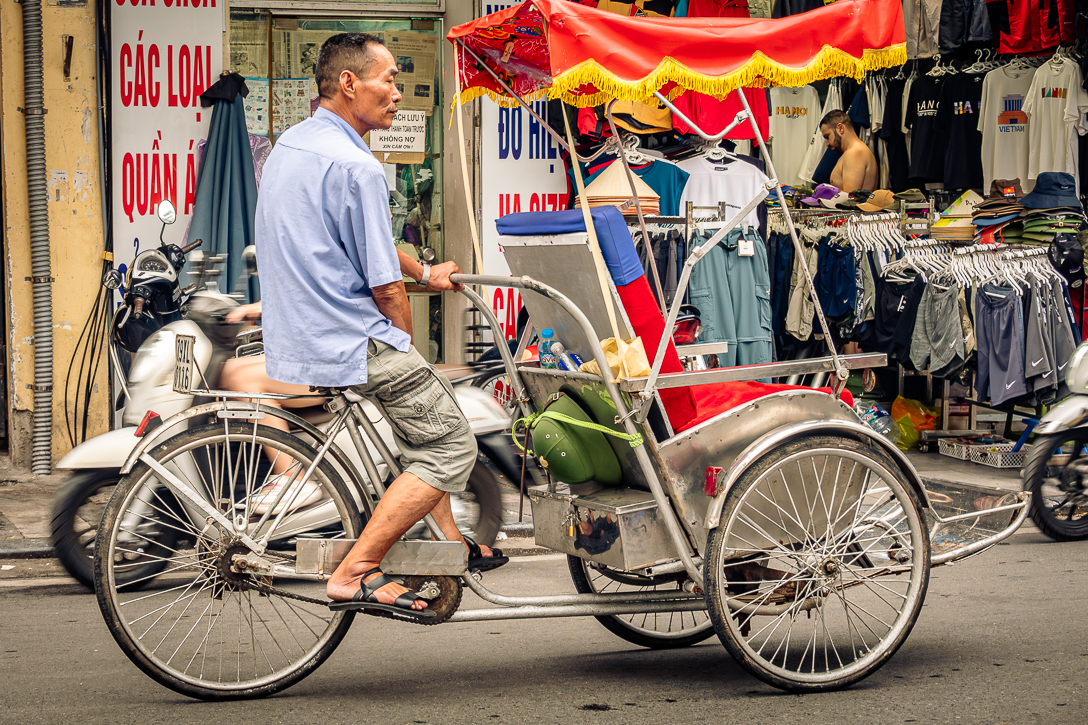
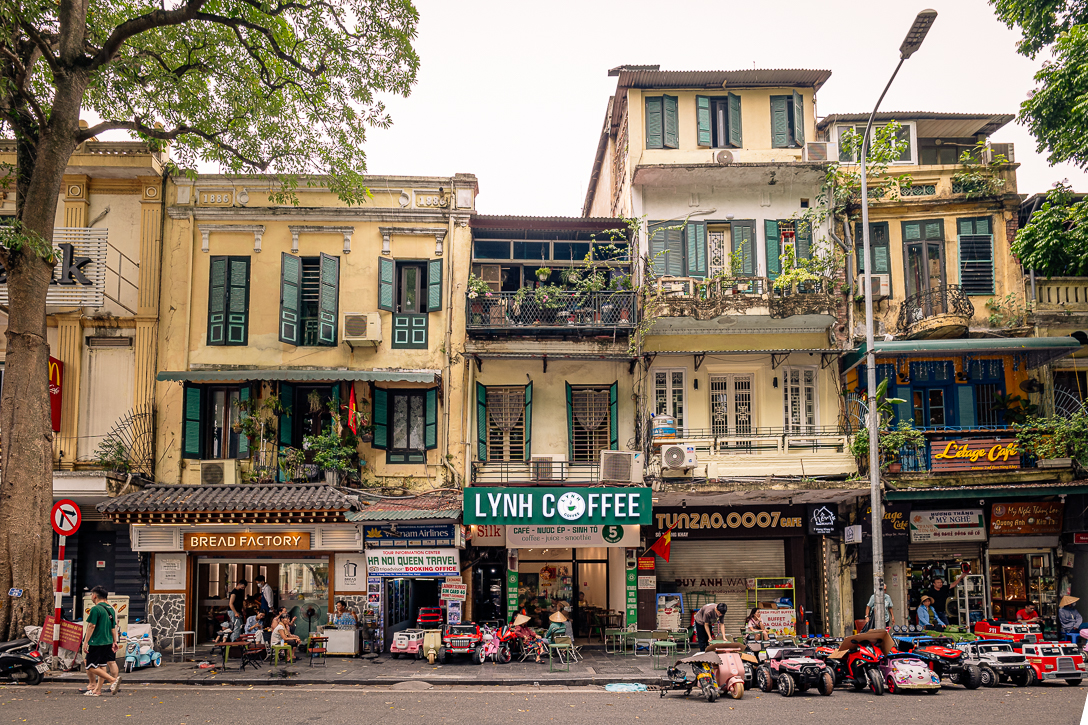
There’s a beautiful place called the Old French Quarter in Hanoi. It’s like stepping back in time, with old buildings and charming streets. When you take a picture there, you capture the essence of history. The buildings have a unique style from the French colonial era, with elegant balconies and vintage architecture. The colors and textures tell a story of the past, and the bustling streets add a lively vibe to the pictures.
The old French Quarter has many quaint buildings with rustic charm, adorned with shutters and ornate designs. The narrow streets are filled with lively scenes—vendors selling their goods, people chatting, and the aroma of delicious street food and coffee filling the air.
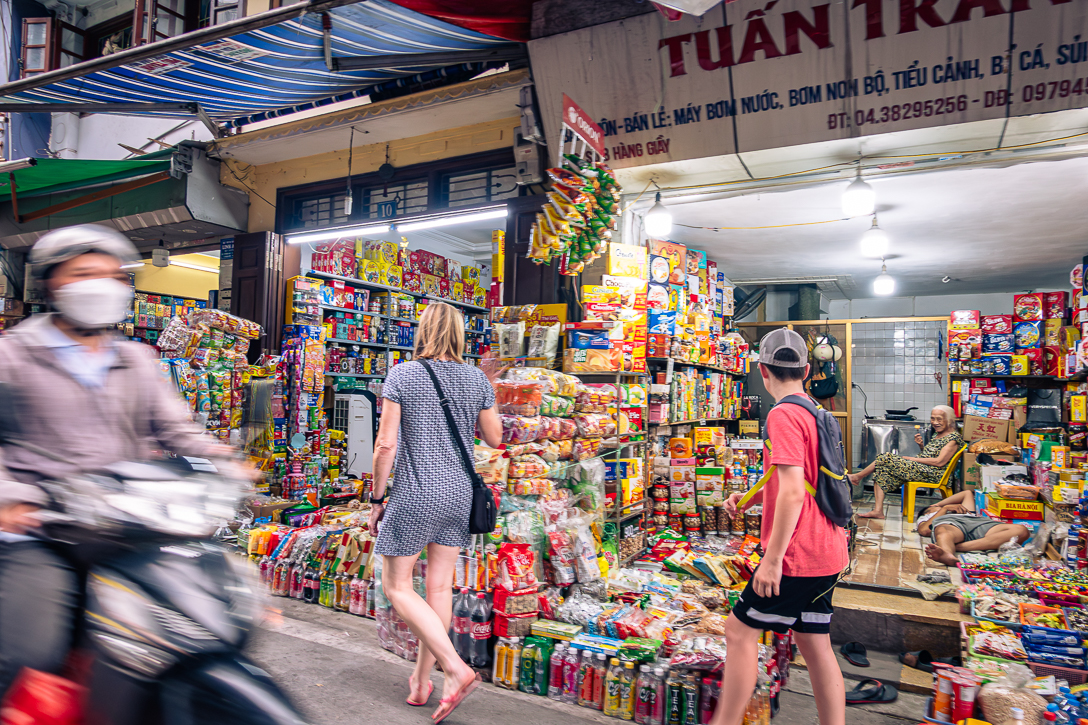
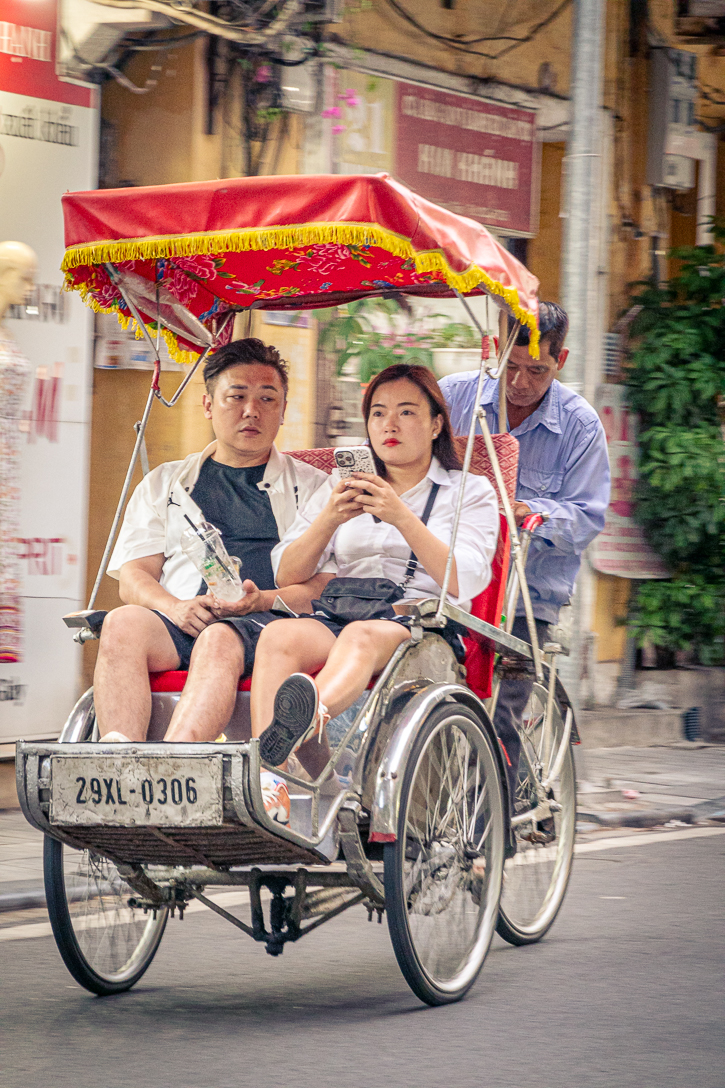
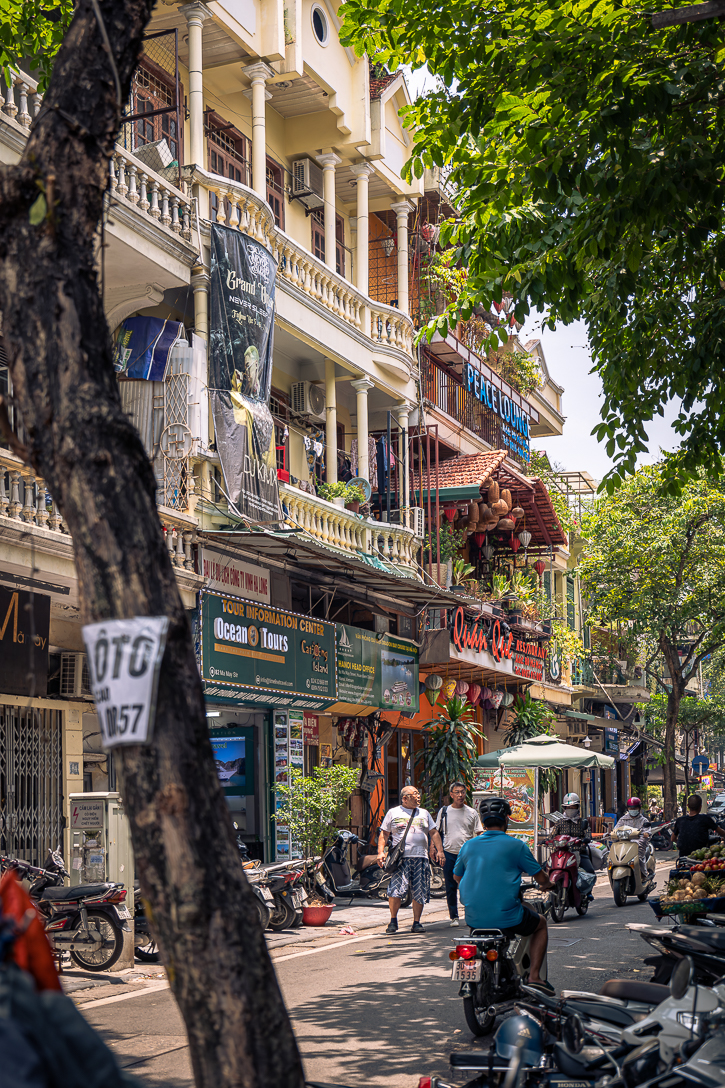
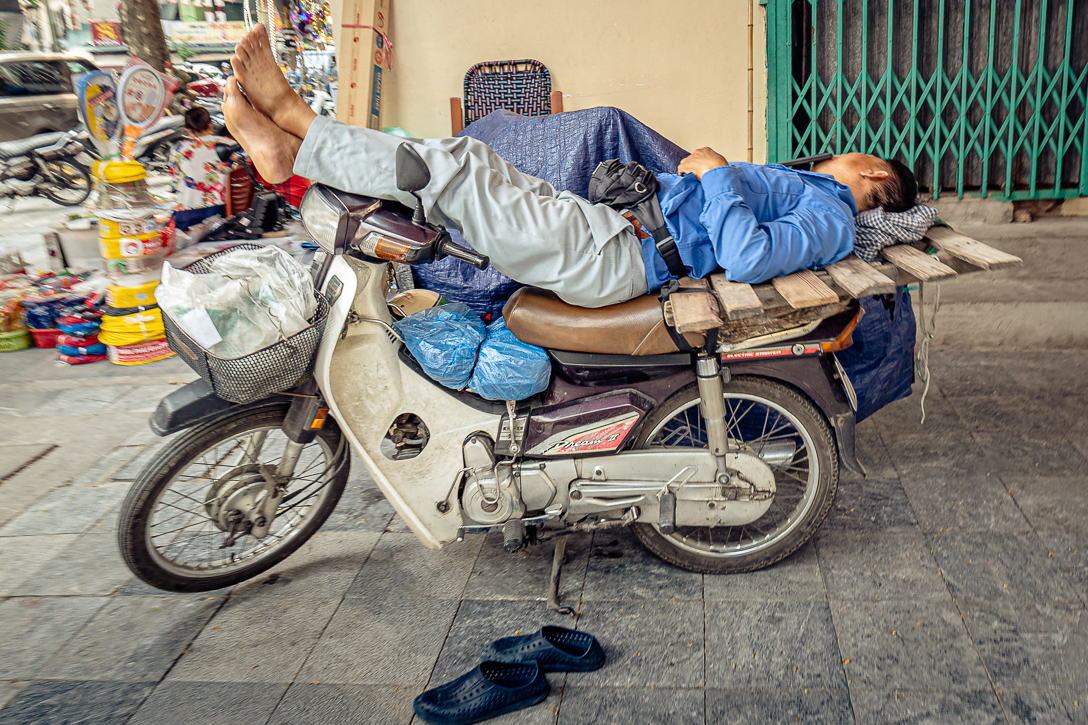
A short video showing our stay in this incredible city.
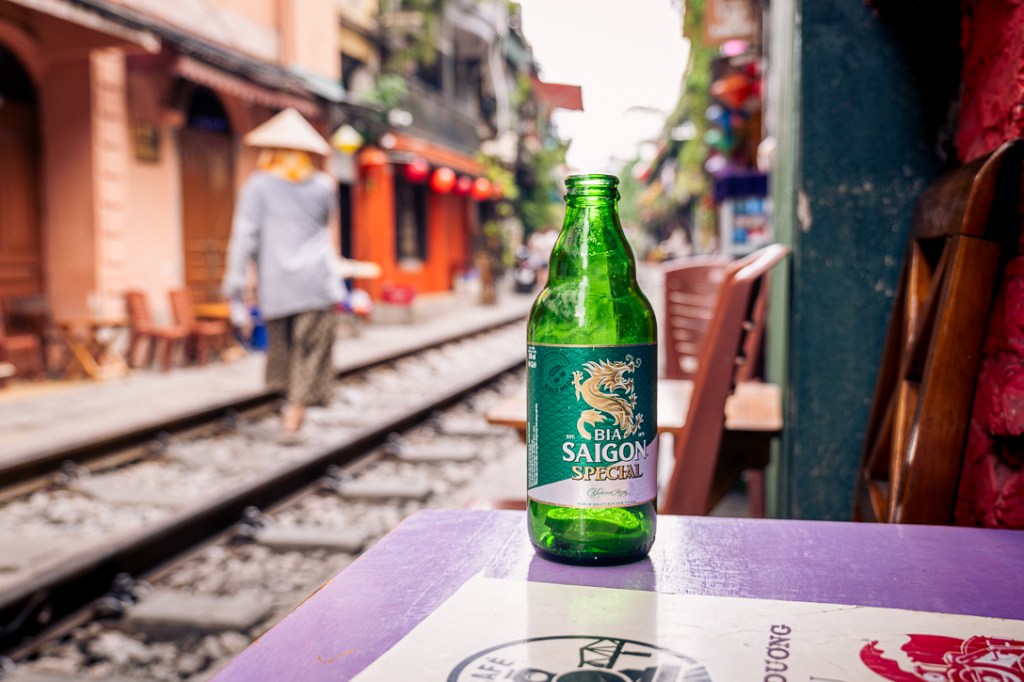
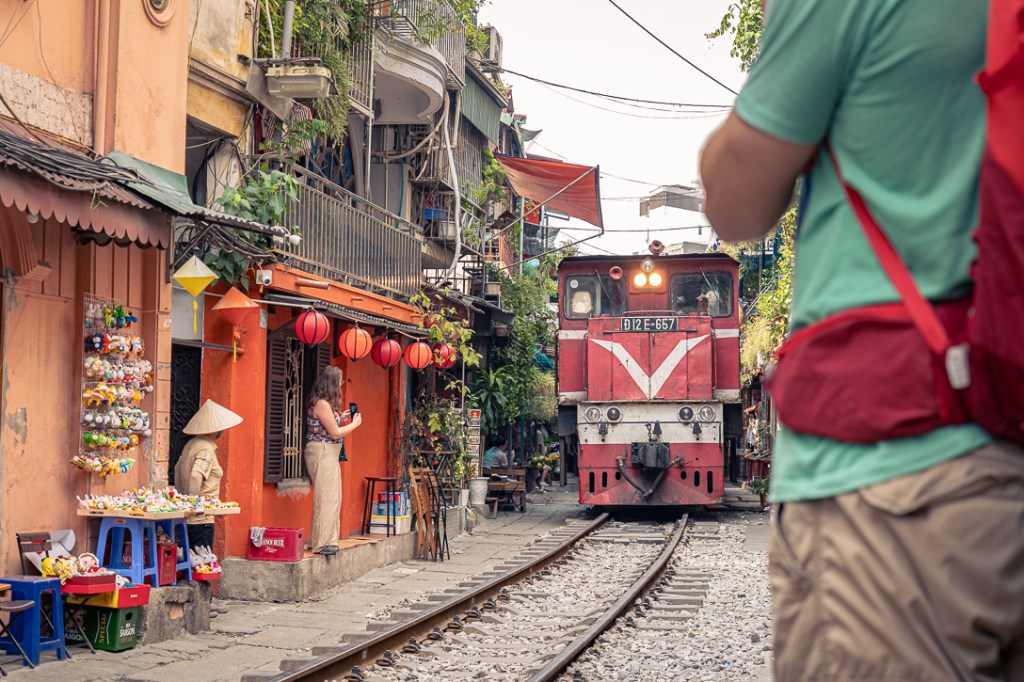
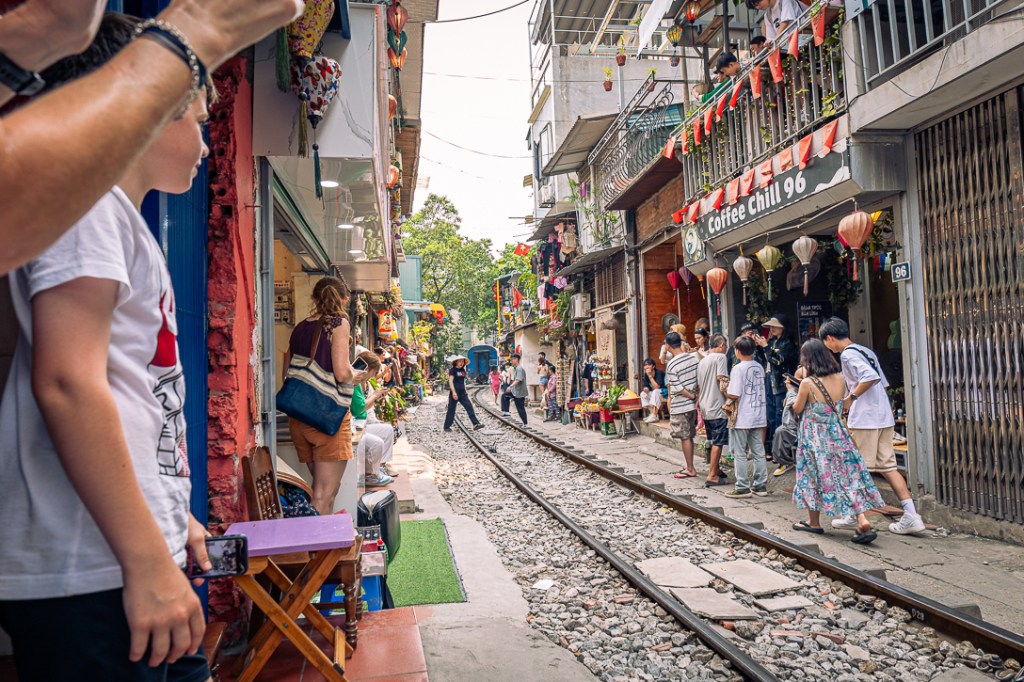
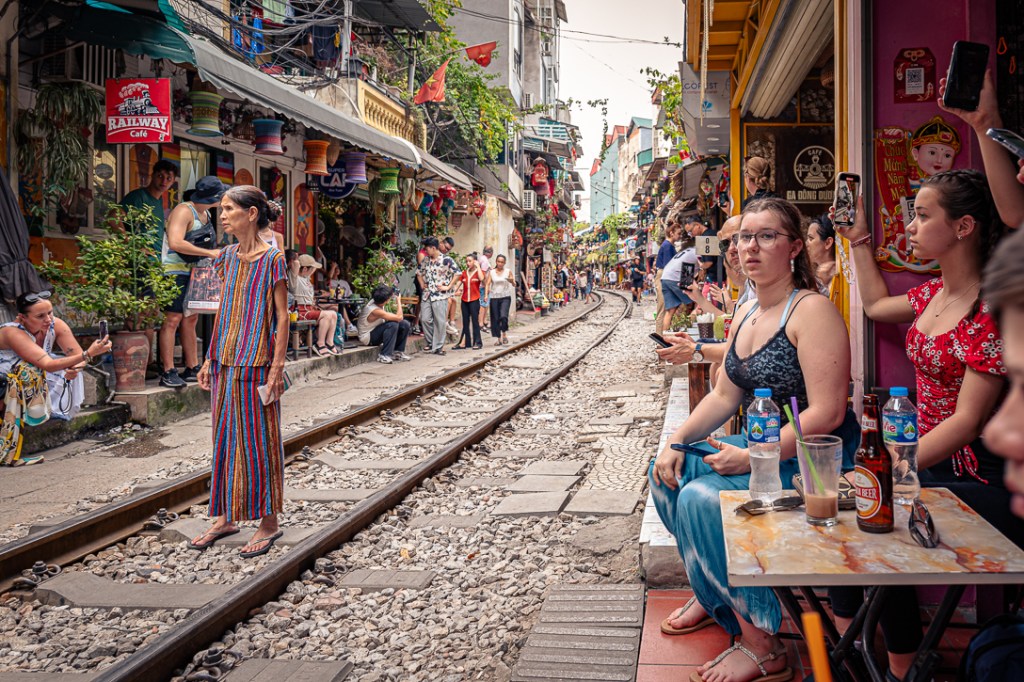
Train street
One iconic photography spot in Hanoi is the Train Street, where you can witness a fascinating intersection of urban life and railways. This narrow street is flanked by homes and cafes, creating an unusual juxtaposition with the passing trains just inches away. Photographing the daily life of locals, street vendors, and visitors against this industrial backdrop makes for visually compelling shots. The vibrant energy of the area and the occasional train roaring through the heart of the neighborhood add an element of surprise and excitement.
Below are some of the pictures from the incredible Train Street
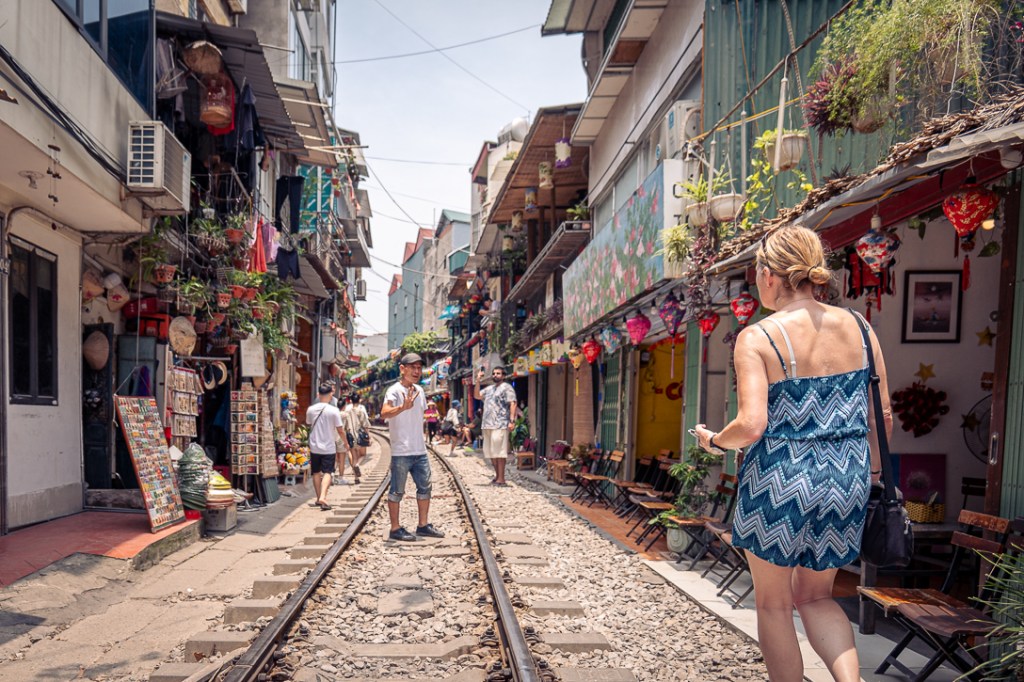
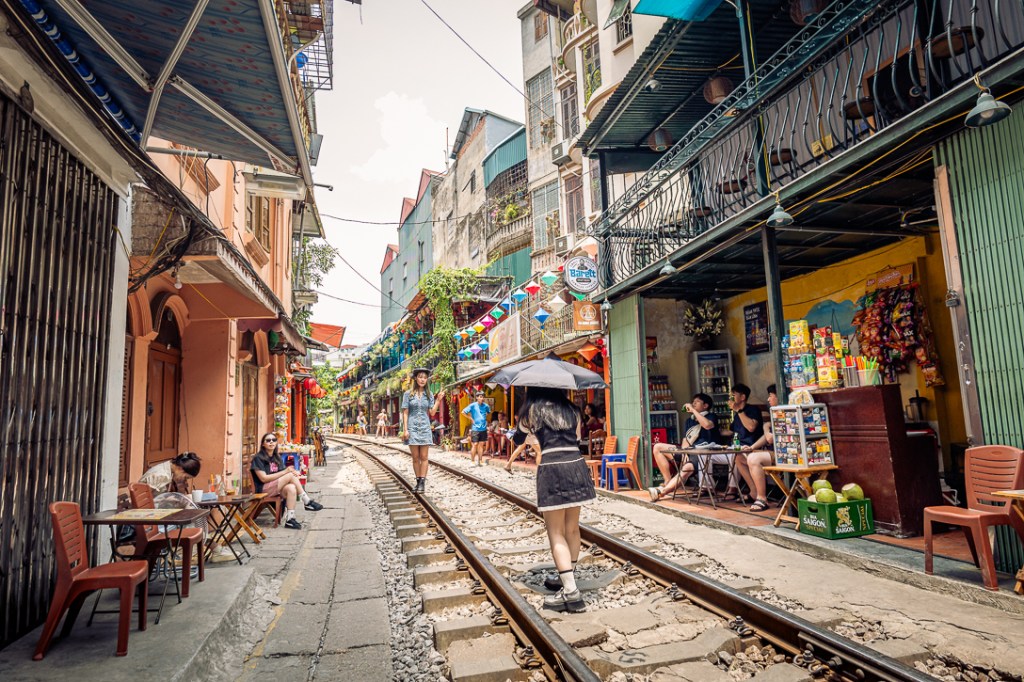
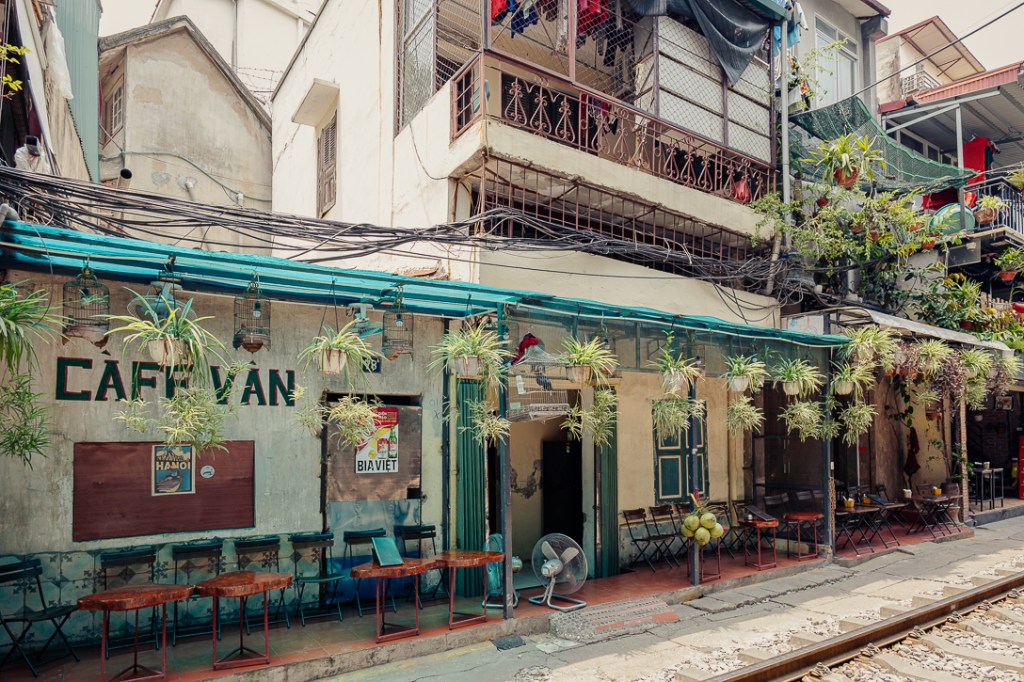
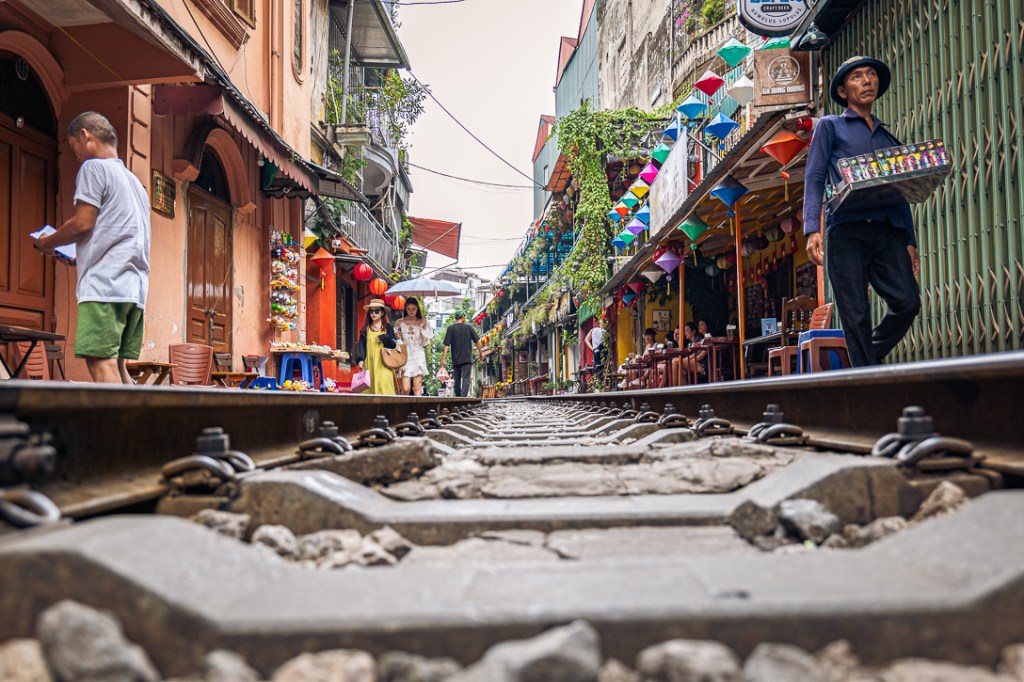

The yellow stool!
These iconic stools are not merely functional; they symbolize the warmth, camaraderie, and unpretentious charm that define Hanoi’s street dining experience, making them an essential element of the city’s culinary and communal identity.
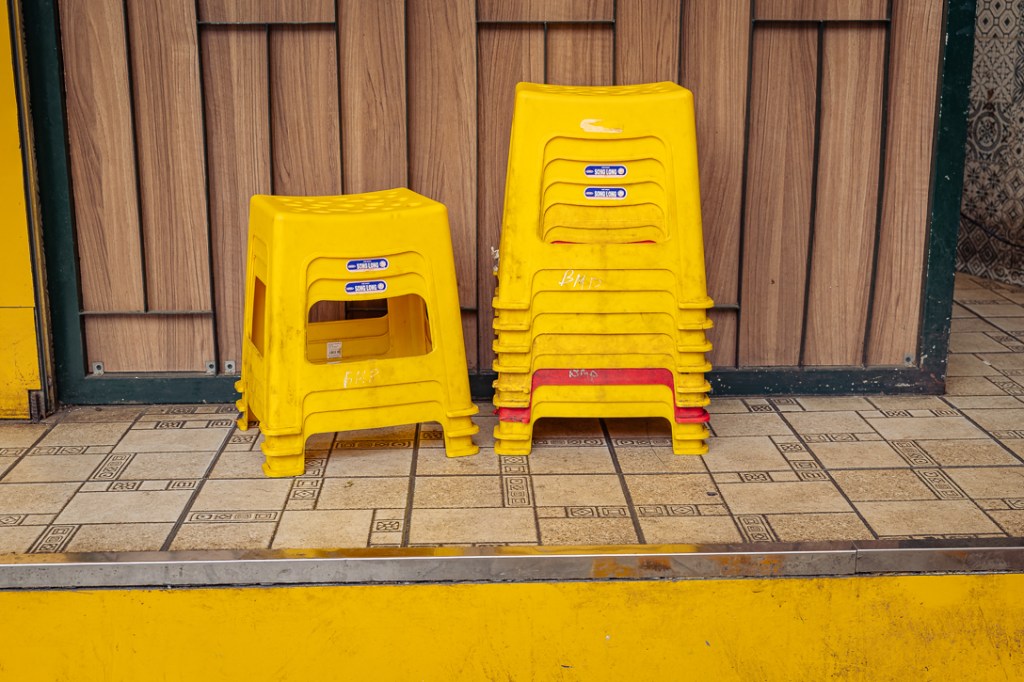
The ubiquitous yellow plastic stools that adorn the sidewalks of Hanoi are emblematic of the city’s vibrant street culture. These humble yet iconic pieces of furniture serve as communal gathering spots, inviting locals and visitors alike to pull up a seat, savor delicious street food, and engage in animated conversations. They represent a microcosm of Hanoi’s social tapestry, where strangers quickly become friends over steaming bowls of pho or banh mi. The cheerful yellow hue exudes a sense of liveliness, adding to the lively ambiance of the bustling streets.
Food and drink
Hanoi, is renowned for its diverse and delicious street food, traditional dishes like Pho and Banh Mi, and not forgetting a thriving coffee culture. Here’s a breakdown of these culinary highlights:
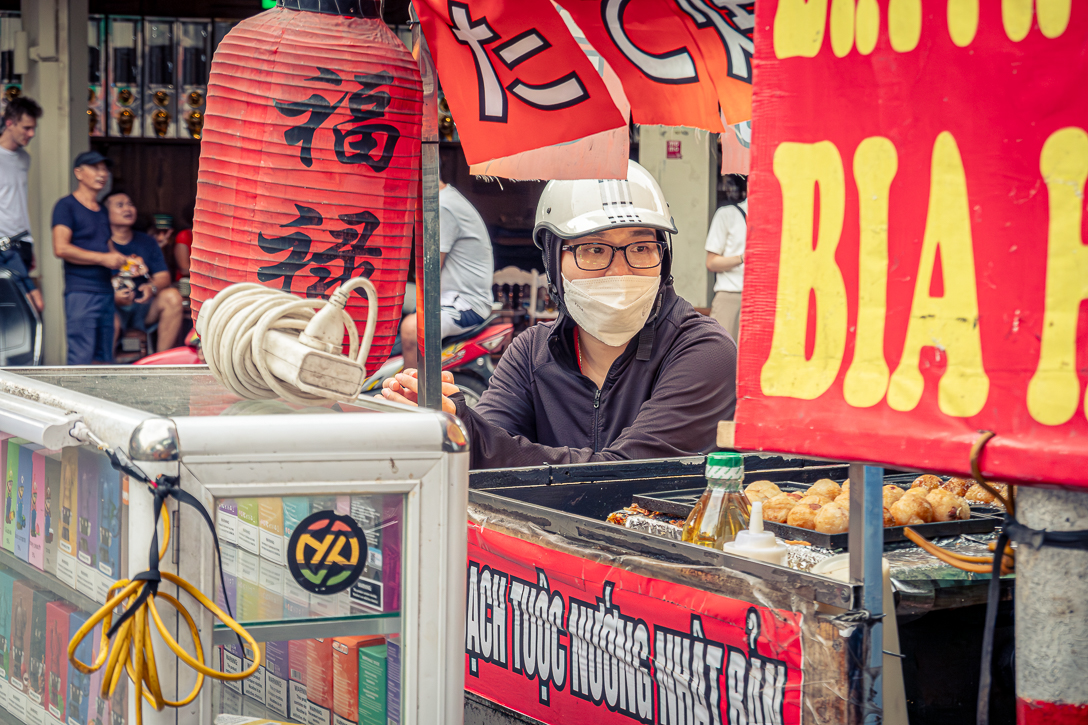
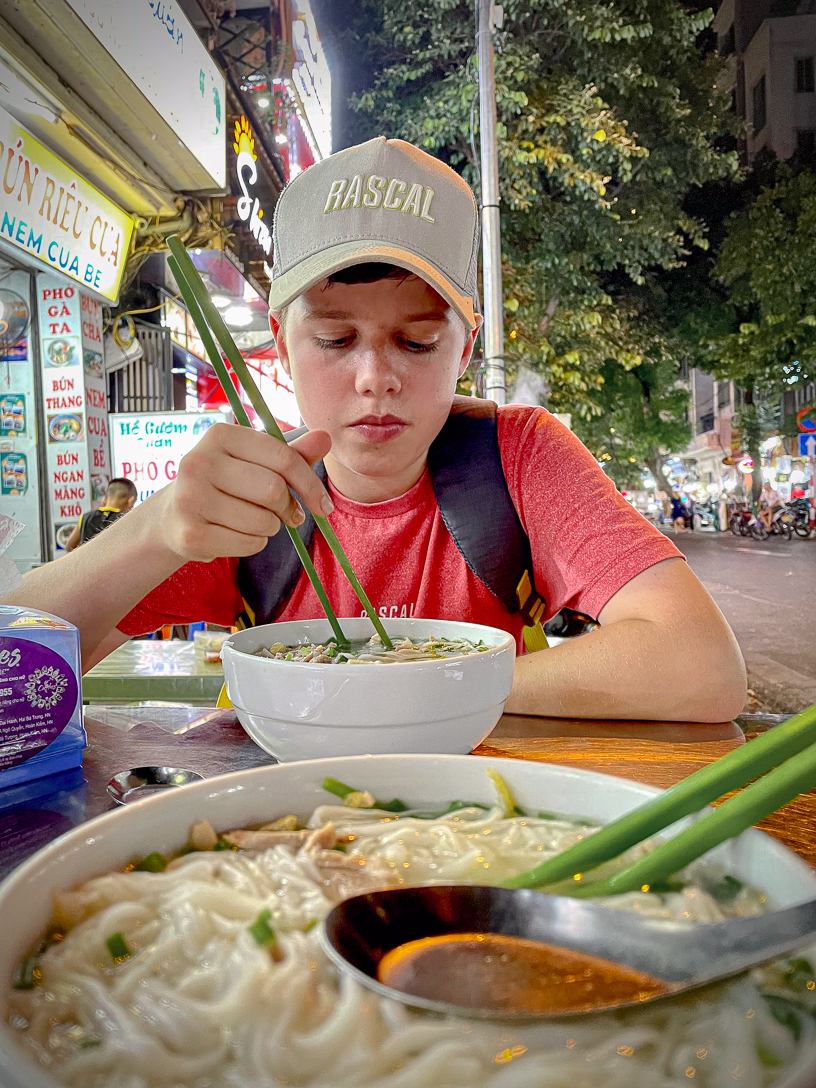
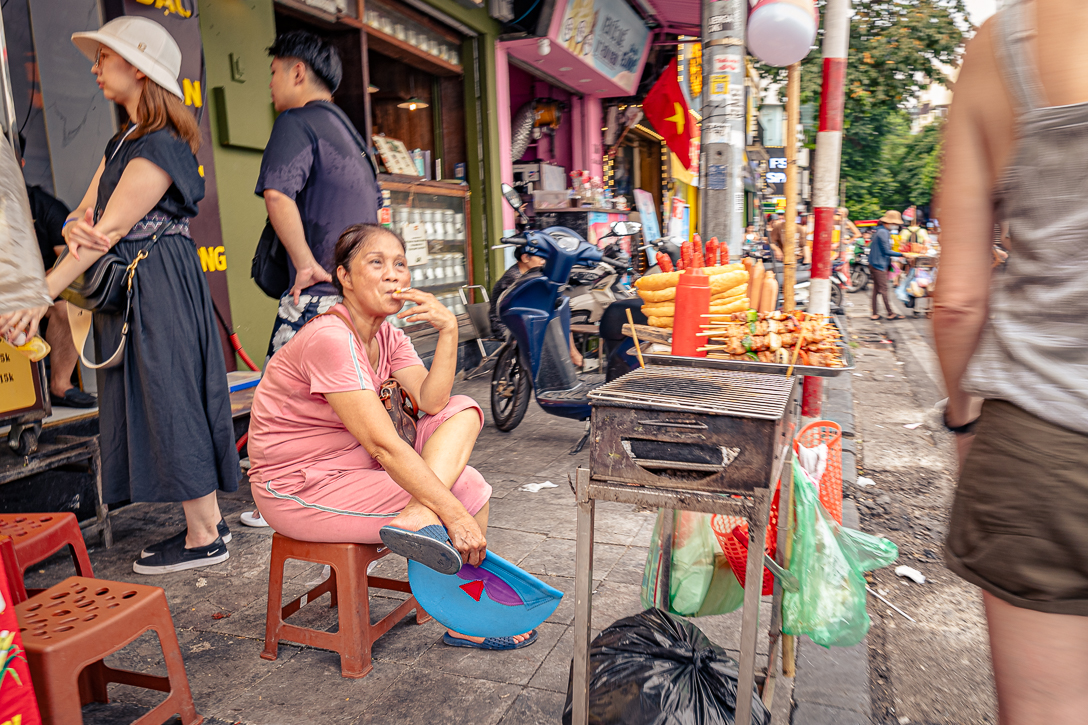
- Pho: Pho is undoubtedly one of Vietnam’s most famous dishes. It’s a flavorful noodle soup typically made with beef or chicken, rice noodles, and a rich broth infused with spices like star anise, cloves, and cinnamon. Hanoi is renowned for its delicious Pho, often served with fresh herbs, lime, chili, and bean sprouts.
- Banh Mi: Banh Mi is a Vietnamese sandwich typically made with a crispy baguette, filled with a combination of ingredients such as various meats (like grilled pork, pate, or cold cuts), fresh vegetables (such as cilantro, cucumber, and shredded carrots), and condiments like mayonnaise and spicy chili sauce.
- Street Food:
- Bun Cha: Grilled pork served with vermicelli noodles, fresh herbs, and a dipping sauce.
- Pho Cuon: Fresh spring rolls filled with beef, herbs, and rice noodles.
- Nem Ran: Fried spring rolls usually filled with a mix of meat and vegetables.
- Xoi Xeo: Sticky rice topped with mung bean paste, fried shallots, and shredded chicken or pork.
Coffee Culture: Hanoi has a thriving coffee culture deeply ingrained in its social fabric. Some popular types of coffee include:
- Egg Coffee (Ca Phe Trung): A unique Hanoi specialty where egg yolks and condensed milk are beaten together and poured over strong Vietnamese coffee.
- Drip Coffee (Ca Phe Sua Da): Strong black coffee with sweetened condensed milk, often served over ice.
- Vietnamese Iced Coffee (Ca Phe Sua Da): Strong, dark-roasted coffee with sweetened condensed milk, poured over ice.
I tried them all and my favourite was the ice coffee – it hit the spot.
Motorbikes and traffic
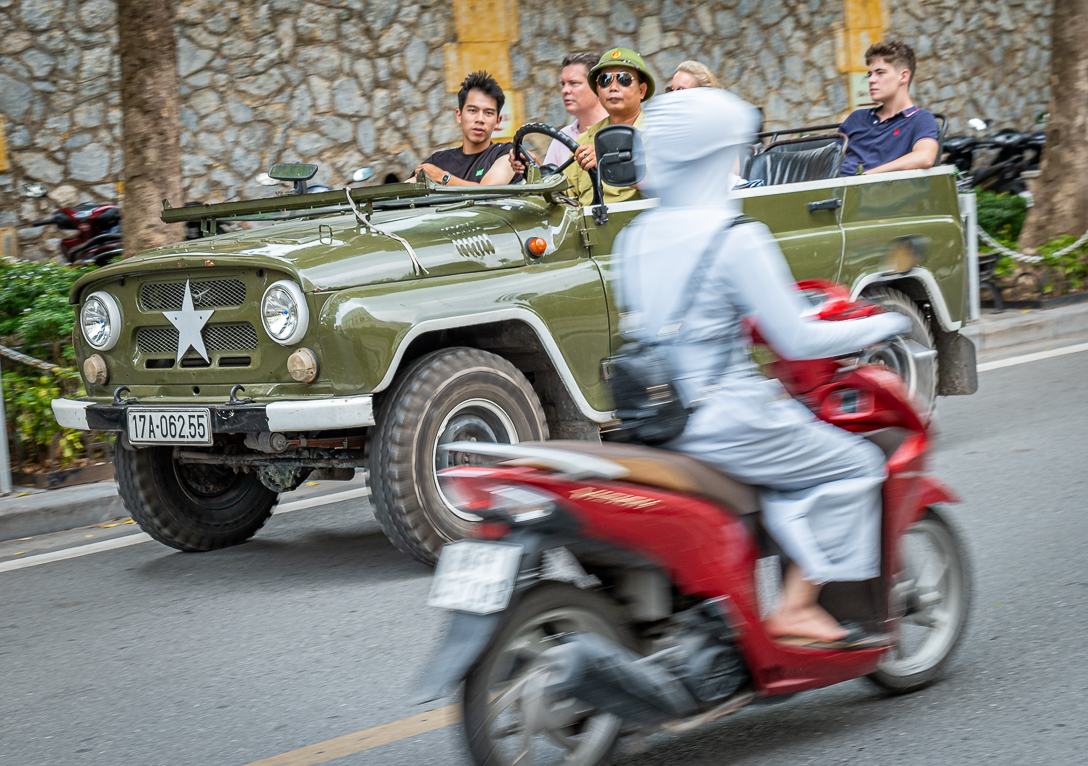
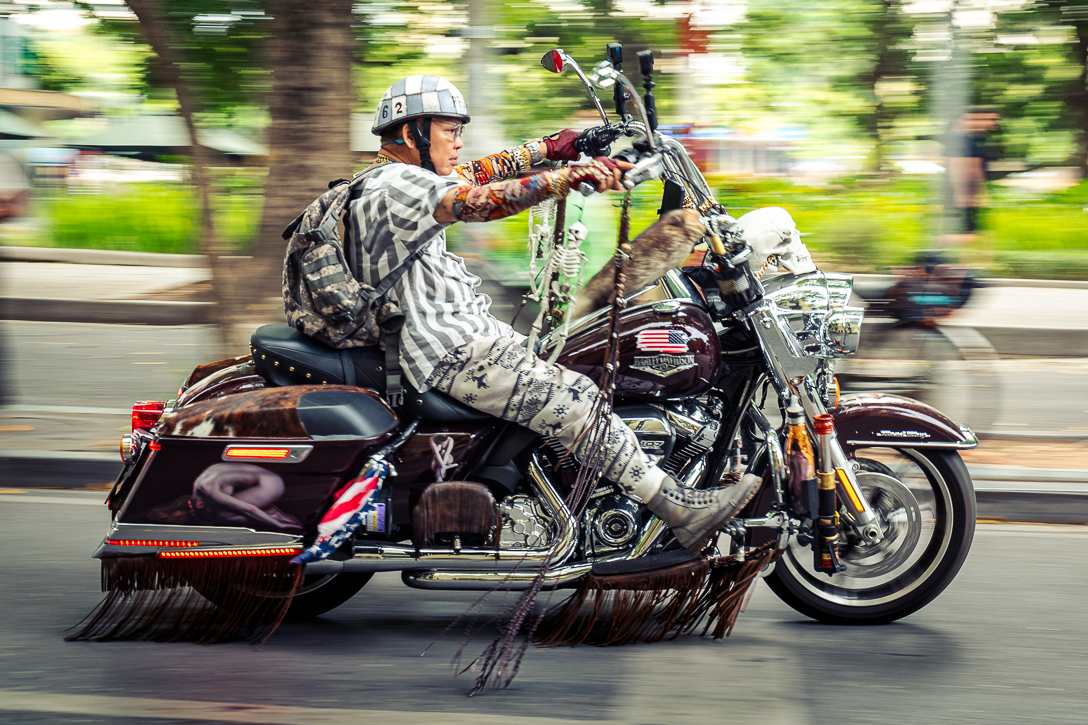
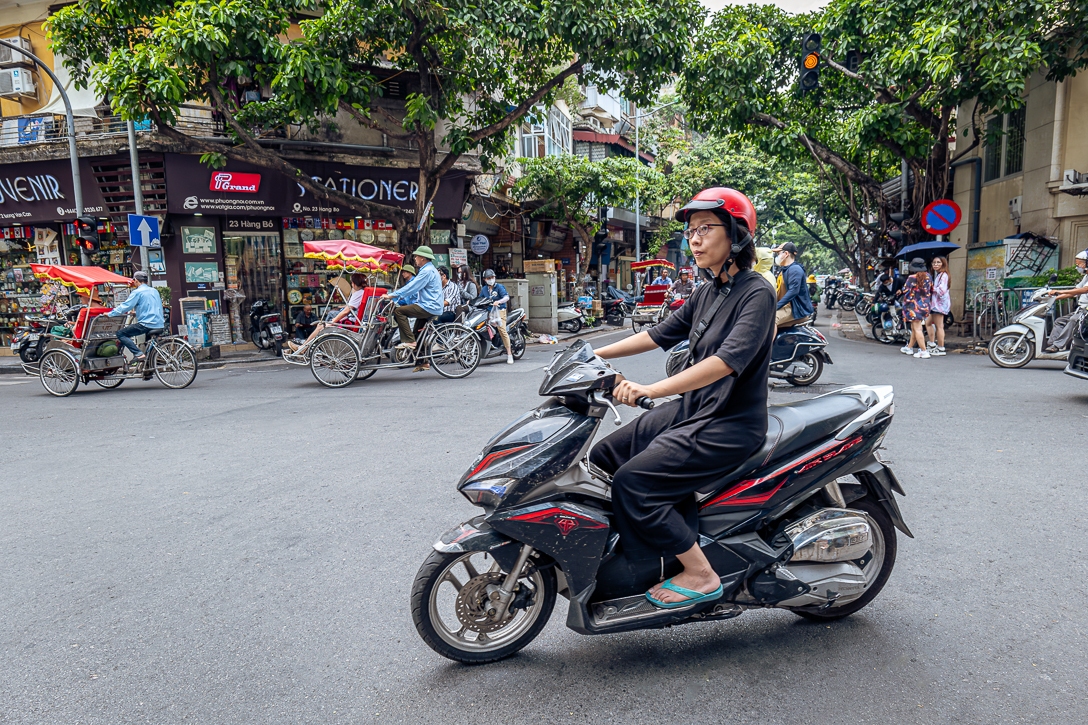
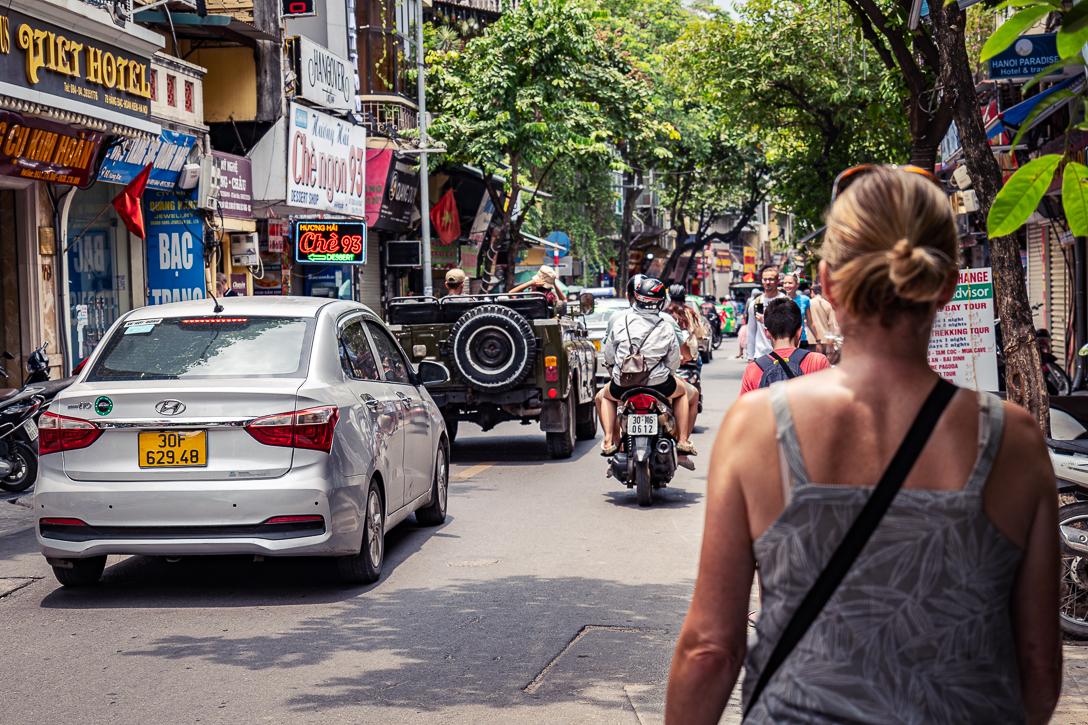
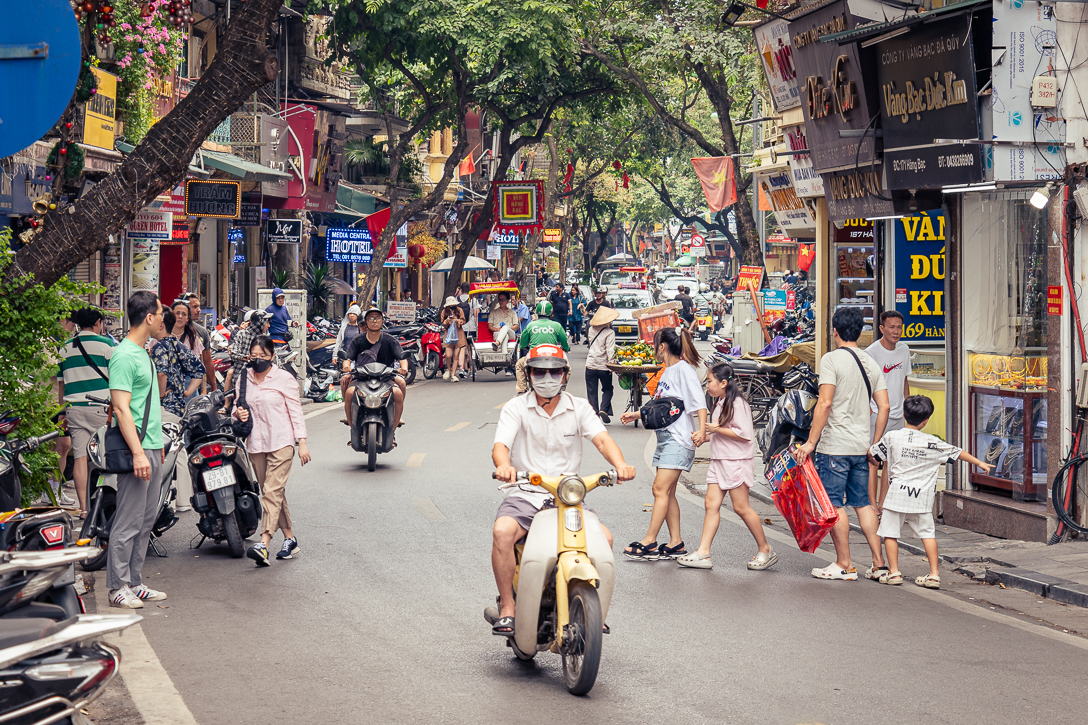
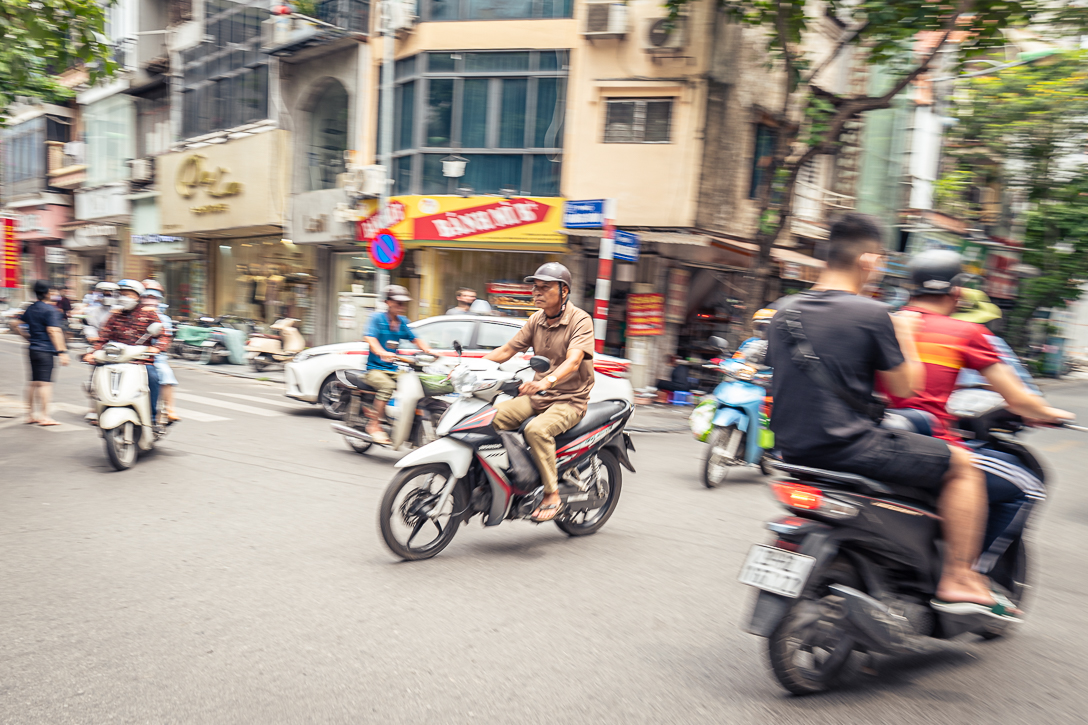
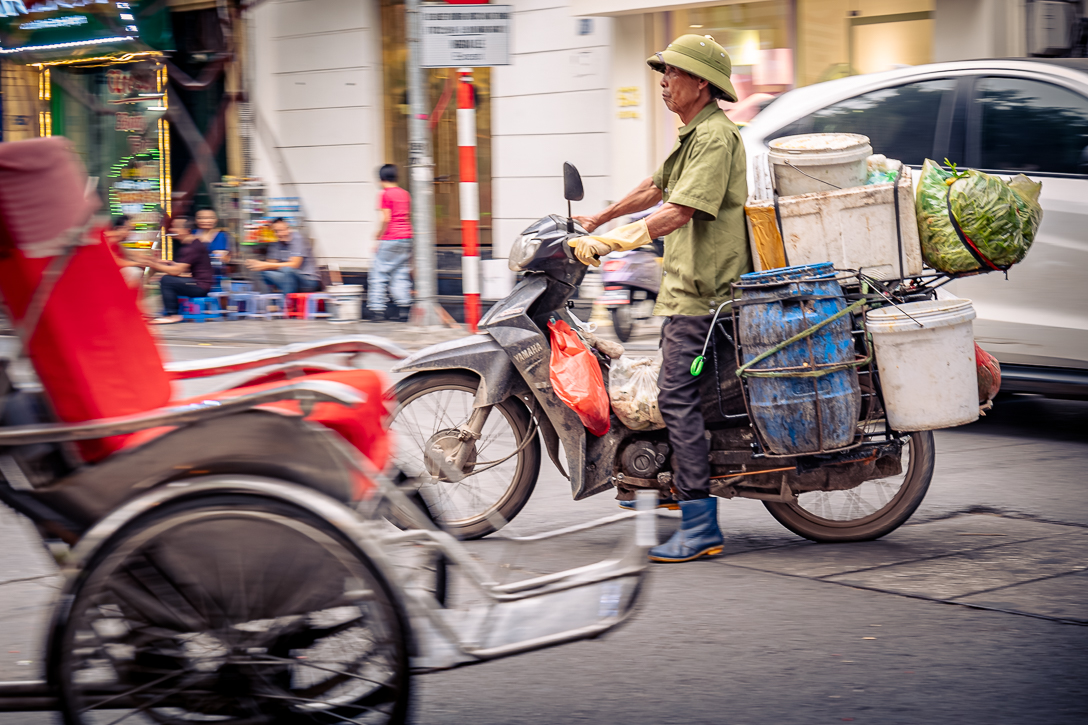
Motorbike traffic in Hanoi epitomizes organized chaos, operating as a dynamic ecosystem deeply ingrained in the city’s daily life and commerce. The throngs of motorbikes weaving through the streets form a complex network, efficiently transporting people, goods, and even entire families. This mode of transportation fuels a burgeoning economy of street vendors, small businesses, and mobile food stalls. The city pulses with the hum of engines as motorbikes serve as essential tools for business, enabling rapid deliveries. It’s a vibrant tapestry where traffic rules blend with an unspoken, intricate dance, and where the business of motorbike traffic is a true reflection of Hanoi’s unique cultural and economic landscape.
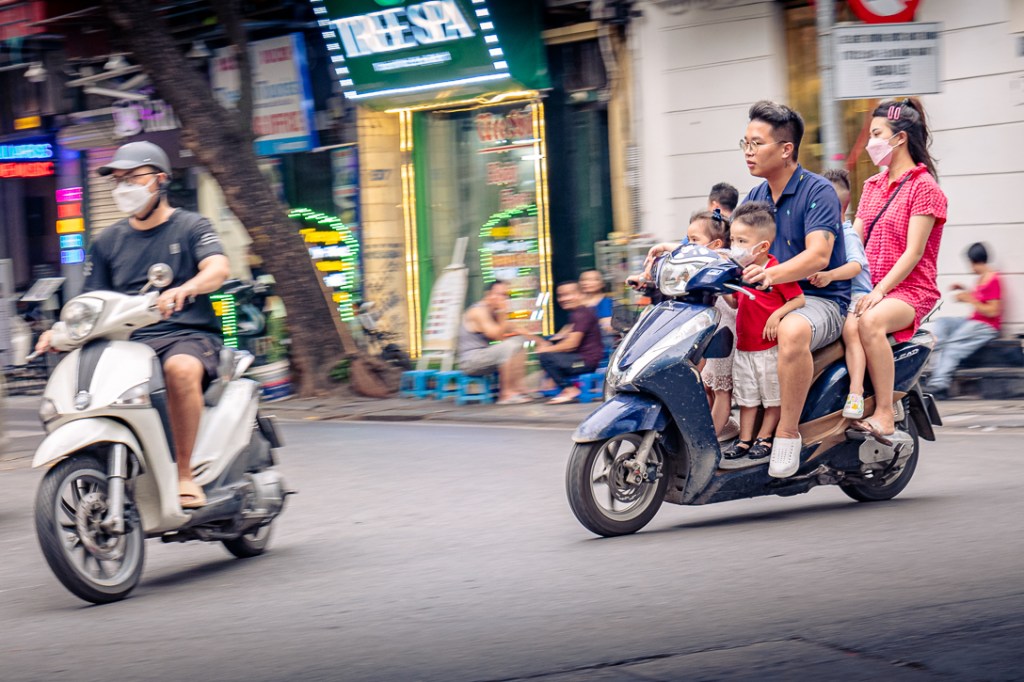
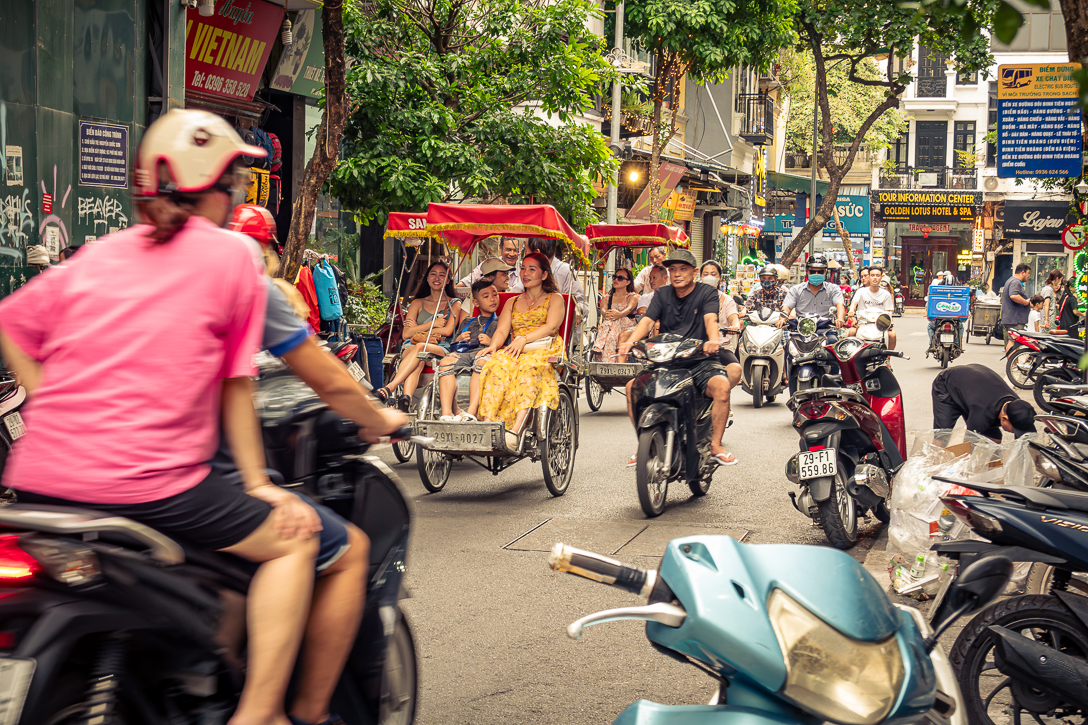
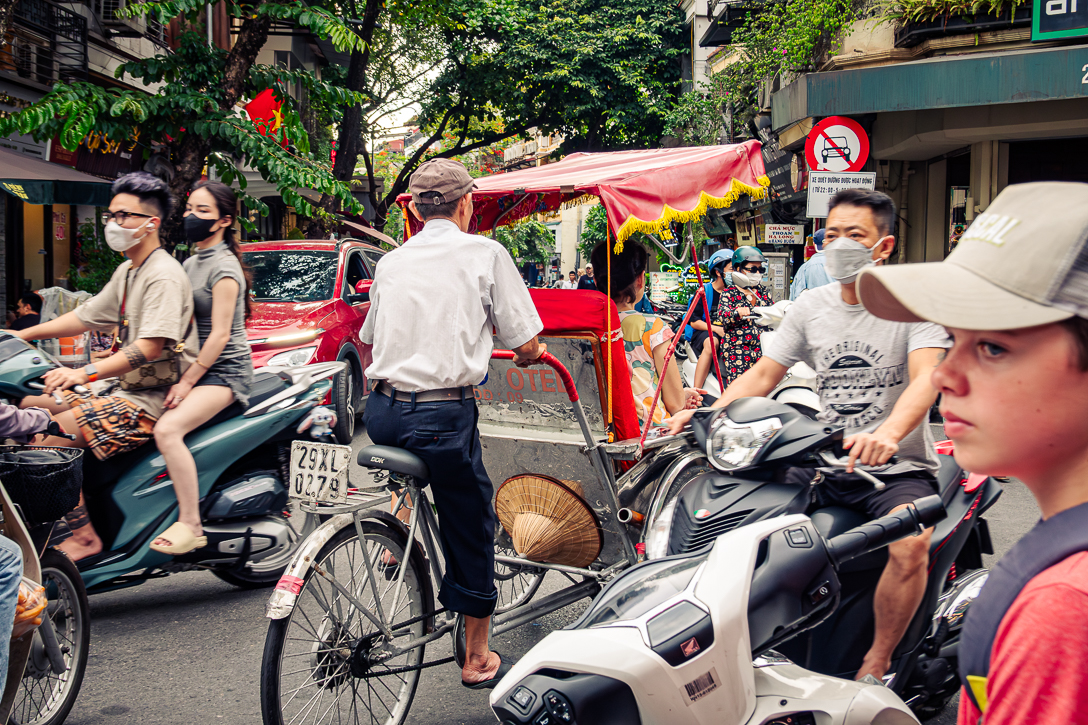


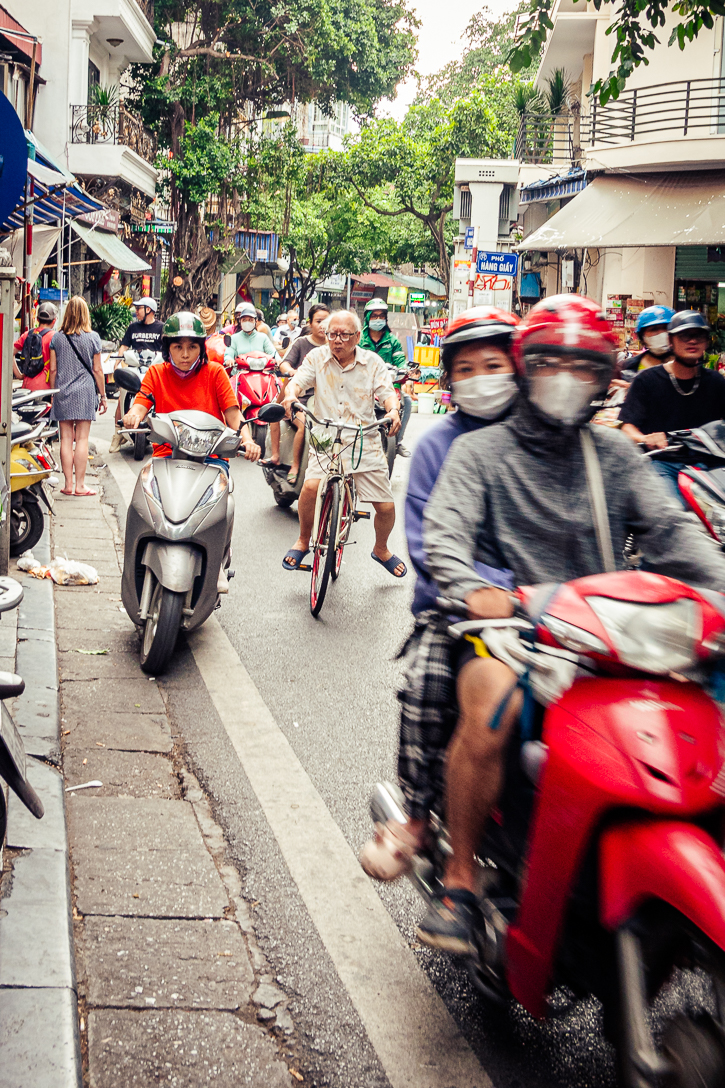

Crossing the road in Hanoi is an artful negotiation with the ebb and flow of motorbike traffic. The streets pulse with a relentless stream of scooters and motorcycles, seemingly devoid of lanes or order. To navigate this maze, pedestrians must embrace a counterintuitive approach: step confidently into the chaos, maintaining a steady pace and trajectory. The key is predictability—drivers skillfully anticipate and adjust their path accordingly. Eye contact and subtle hand gestures serve as an unspoken language, conveying intentions between those on foot and those on wheels. It’s a delicate dance of trust, where the city’s rhythm dictates the cadence, and successfully crossing is a blend of courage, intuition, and a harmonious sync with the perpetual flow of Hanoi’s motorbike-laden thoroughfares.

Next stop on the trip – Ha Long Bay.

 The Shortbread Shed