

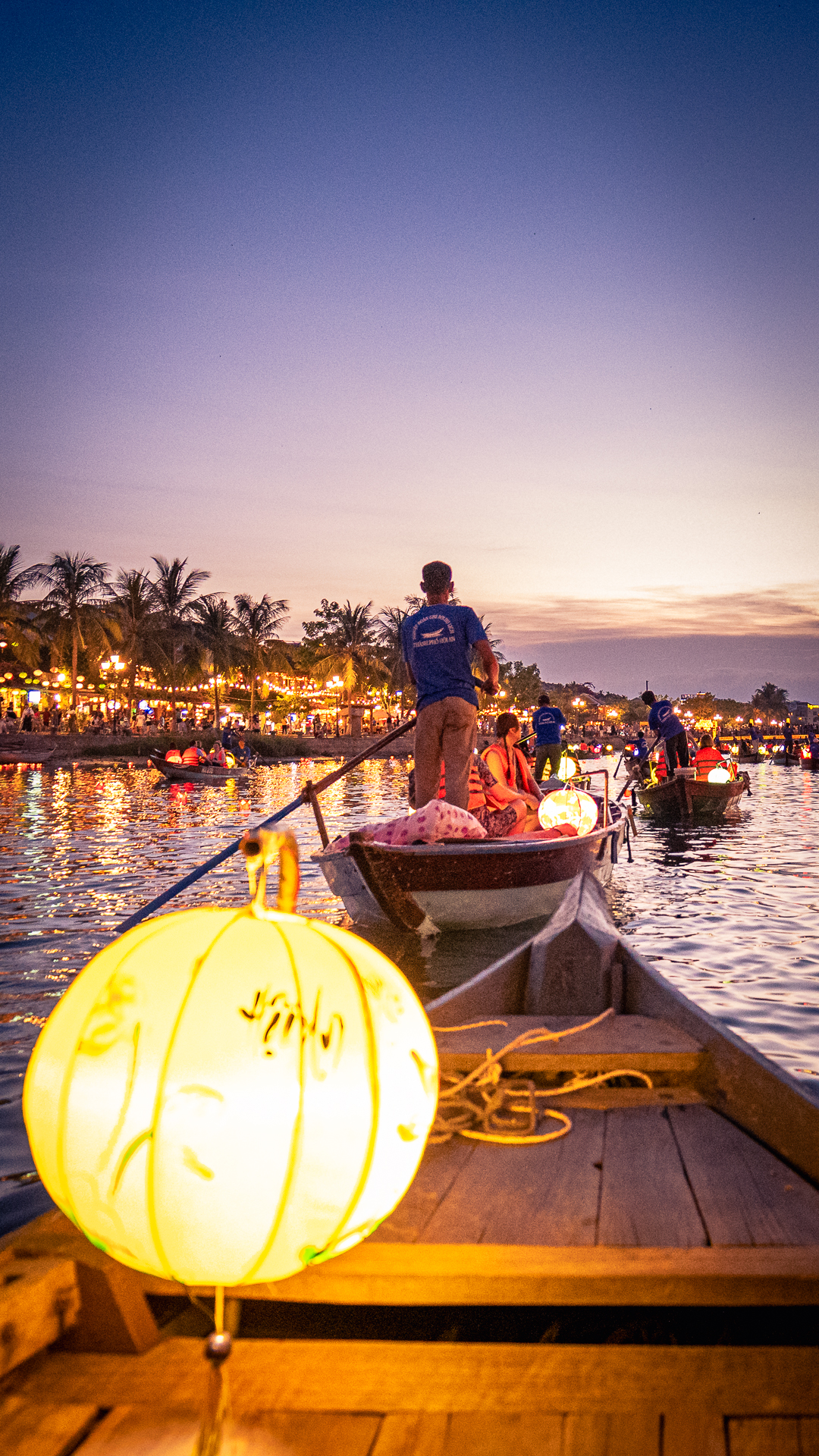
Hoi An, Vietnam, is a UNESCO World Heritage site known for its well-preserved ancient town, rich history, and cultural diversity.
This was our third stop on our Vietnam adventure and what a fantastic place it was.
Visiting Hoi An, is like stepping into a mesmerizing tapestry of history, culture, and charm. Nestled along the Thu Bon River, invites travelers to wander through its ancient town, where narrow cobblestone streets are lined with yellow-hued buildings adorned with wooden shutters. The town’s unique architectural fusion of Vietnamese, Chinese, and Japanese influences adds to its distinctive character.
Hoi An is renowned for its iconic Japanese Covered Bridge, tranquil assembly halls, and the enchanting glow of lantern-lit evenings. Exploring the bustling local markets and attending traditional cultural performances provide immersive glimpses into the vibrant local life. Beyond the ancient town, the countryside beckons with picturesque landscapes and cultural experiences. With tailor shops offering custom-made clothing, delectable local cuisine, and the option to cruise the Thu Bon River, Hoi An offers a harmonious blend of history, authenticity, and natural beauty that captivates every visitor.
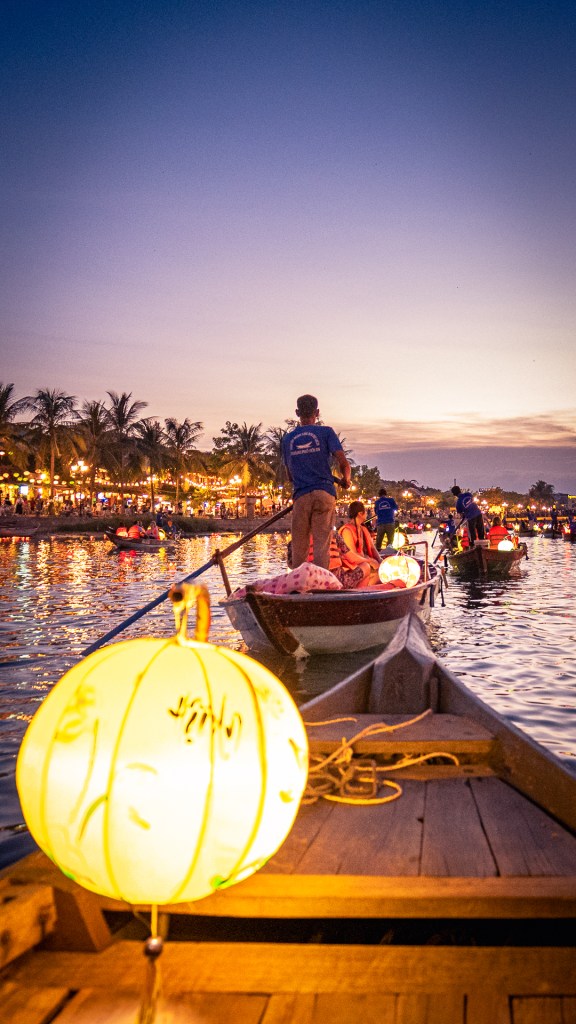
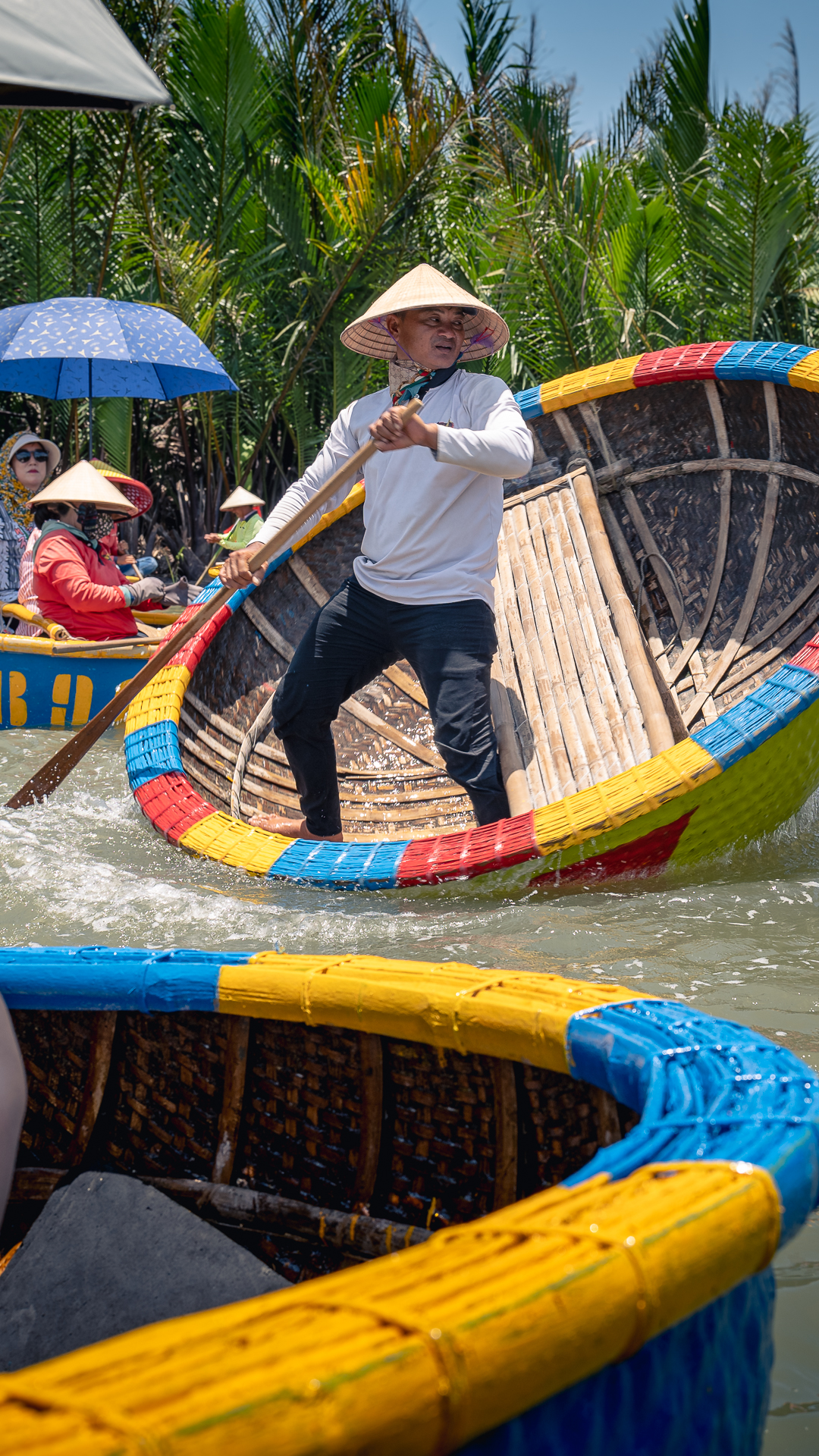
Taking a punt at sunset down the lantern strewn Thu Bon River is an unforgetable holiday experience.




Here is a list of some of the best things to discover in Hoi An:
- Ancient Town: Explore the well-preserved Ancient Town, a maze of narrow streets lined with historic buildings. Wander through the atmospheric alleys, visit ancient houses, and marvel at the unique blend of architectural influences.
- Japanese Covered Bridge: Visit the iconic Japanese Covered Bridge, dating back to the 18th century. It’s not only a historic landmark but also a symbol of Hoi An.
- Lantern Festival: If your visit coincides with the Full Moon Lantern Festival, experience the enchanting atmosphere as the town is lit up with thousands of colorful lanterns. It usually takes place on the 14th day of each lunar month.
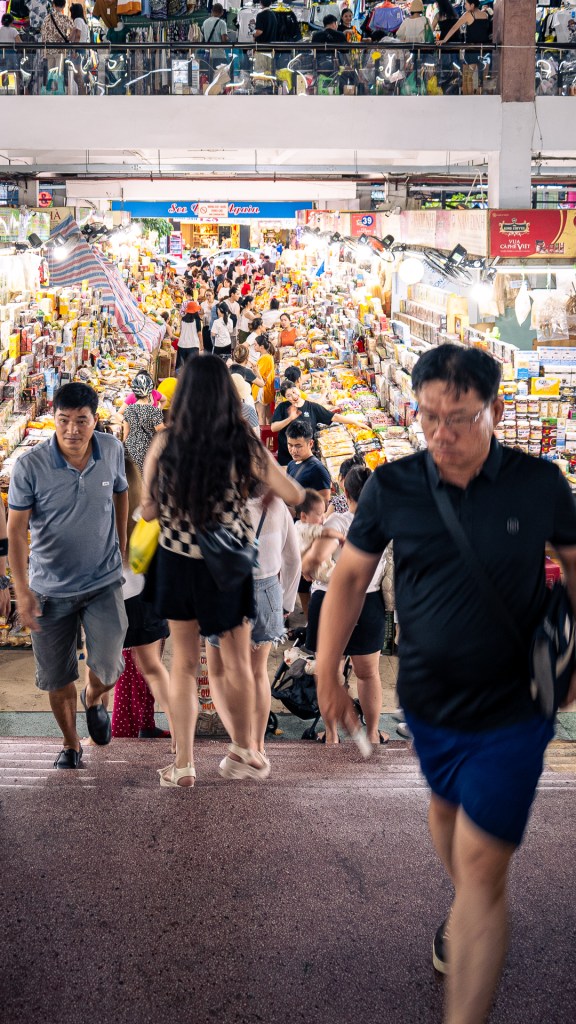
- Local Markets: Explore the vibrant local markets, such as the Central Market, where you can witness daily life, sample local delicacies, and shop for handmade crafts, textiles, and fresh produce.
- Tailor Shops: Hoi An is renowned for its tailor shops. Consider getting custom-made clothing or shoes from skilled local tailors who can create items to your specifications.
- Cooking Classes: Join a cooking class to learn how to prepare Vietnamese dishes. Visit a local market to pick fresh ingredients and then participate in hands-on cooking sessions to create delicious traditional meals.
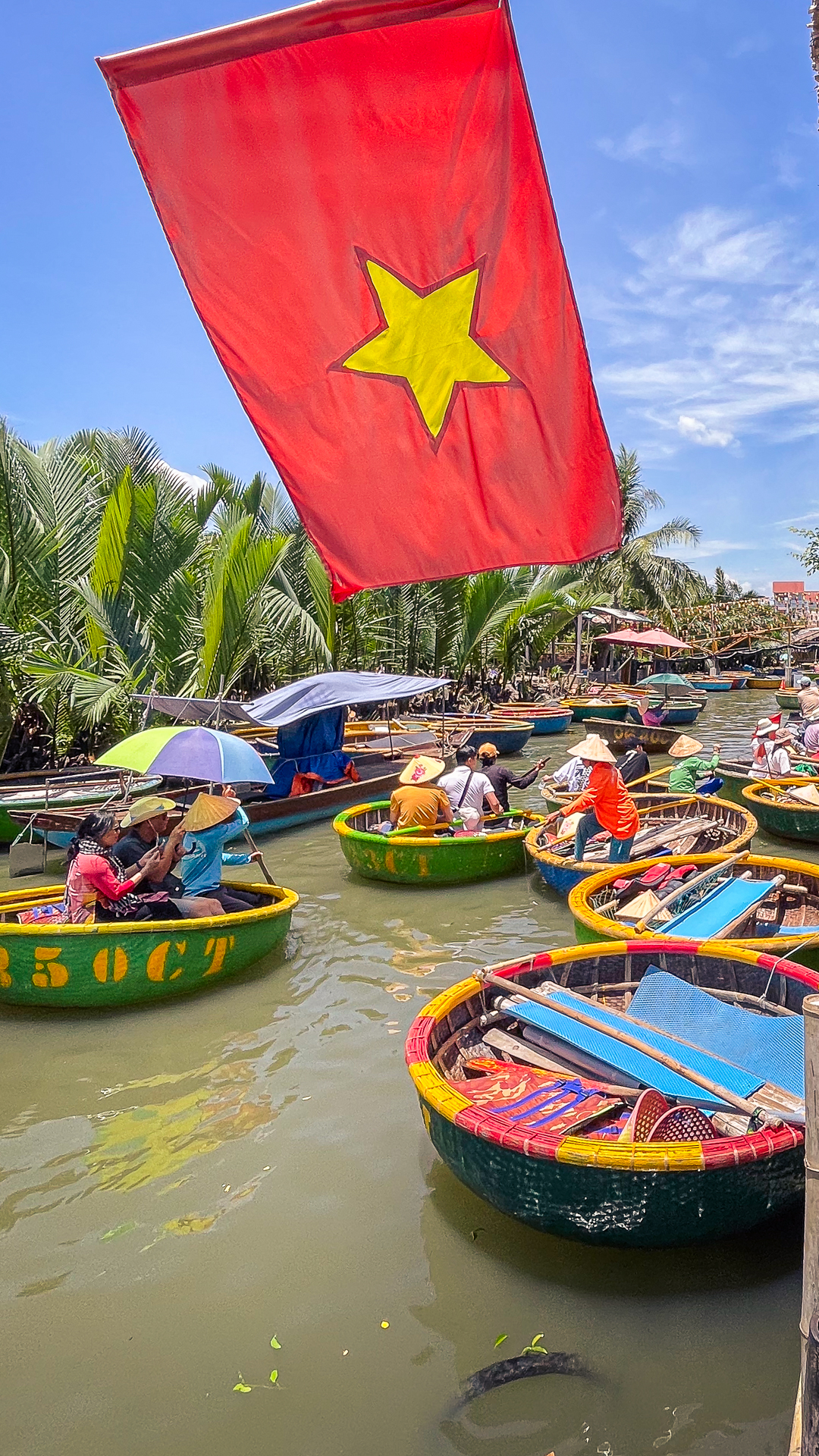
- Thu Bon River Boat Cruise: Take a boat cruise along the Thu Bon River. This provides a different perspective of Hoi An and allows you to enjoy the scenic beauty of the town and its surroundings.
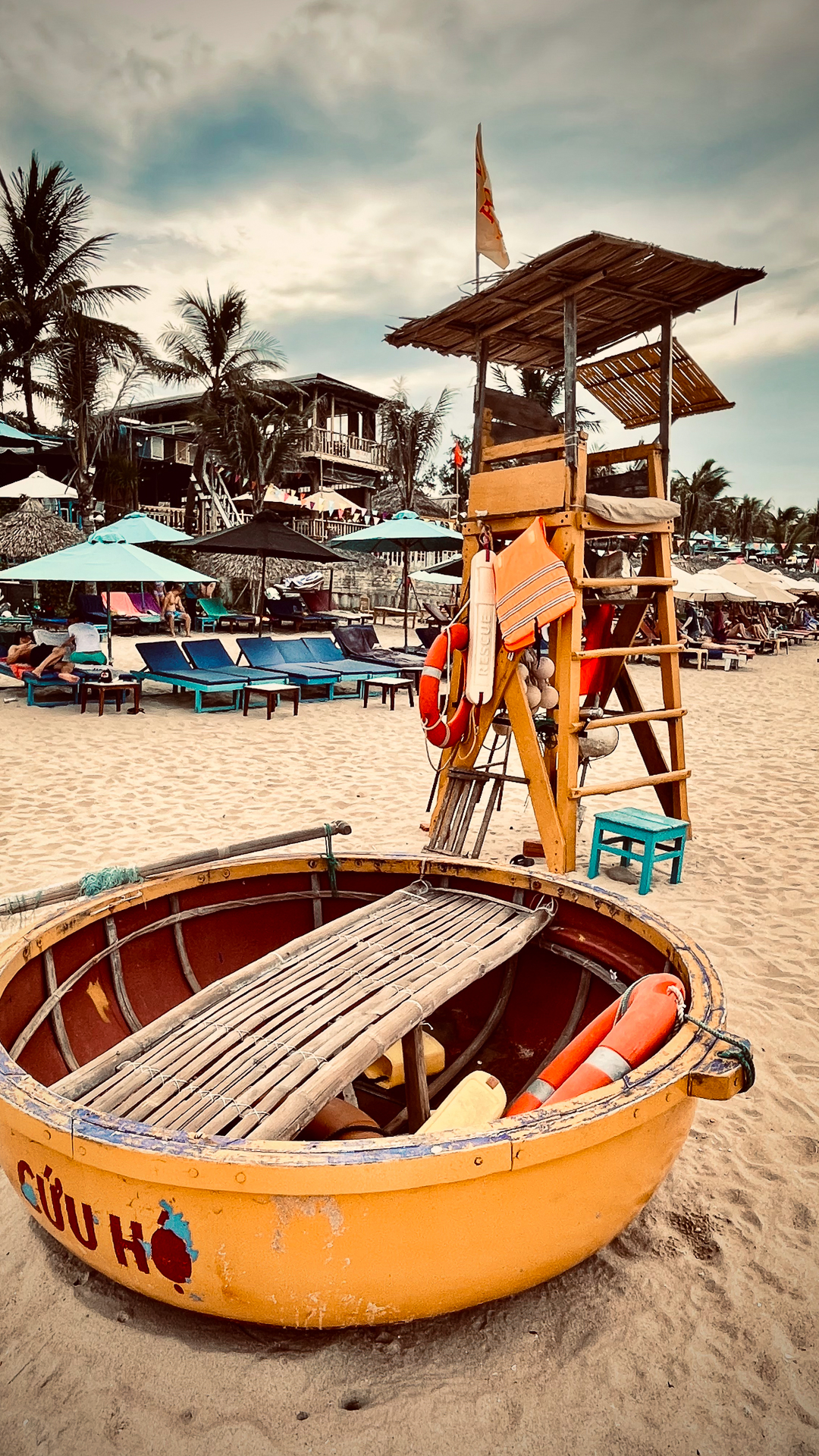
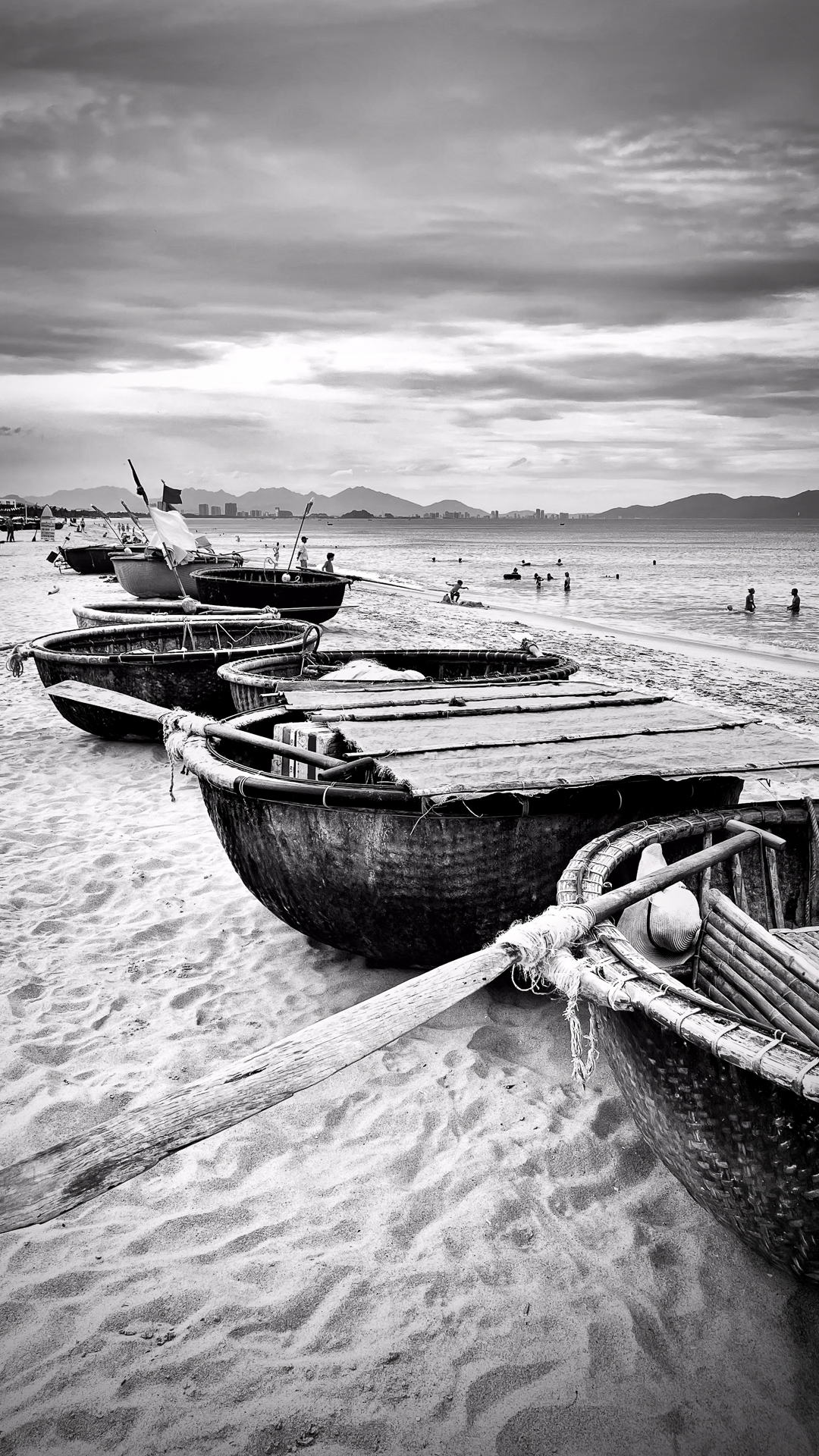
- Bike Ride to the Beach: Rent a bicycle and ride to Cua Dai Beach or An Bang Beach. Enjoy the coastal scenery, relax on the sandy shores, and sample fresh seafood at beachside restaurants.
Below is a short video showing just some of the fantastic places we visited whilst in Hoi An, Da Nang and Ba Na Hills.
Narrow streets, bikes and rickshaws are all part of the aluring charm of Hoi An.
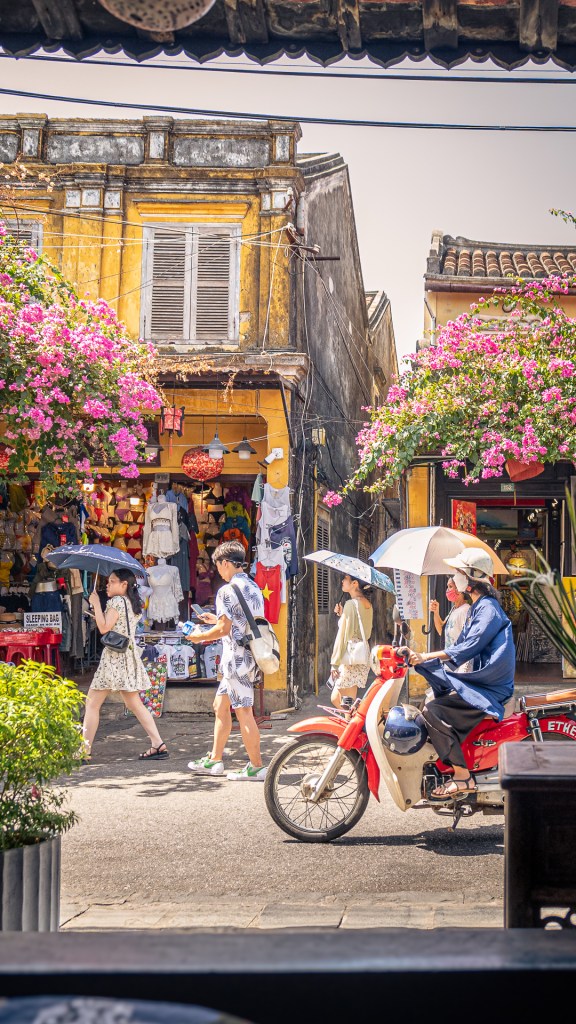
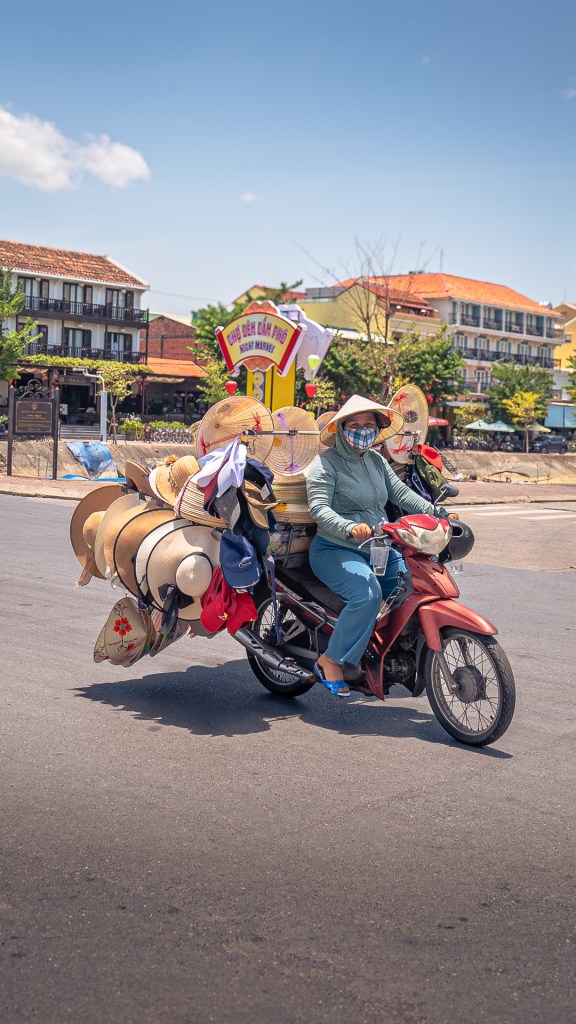

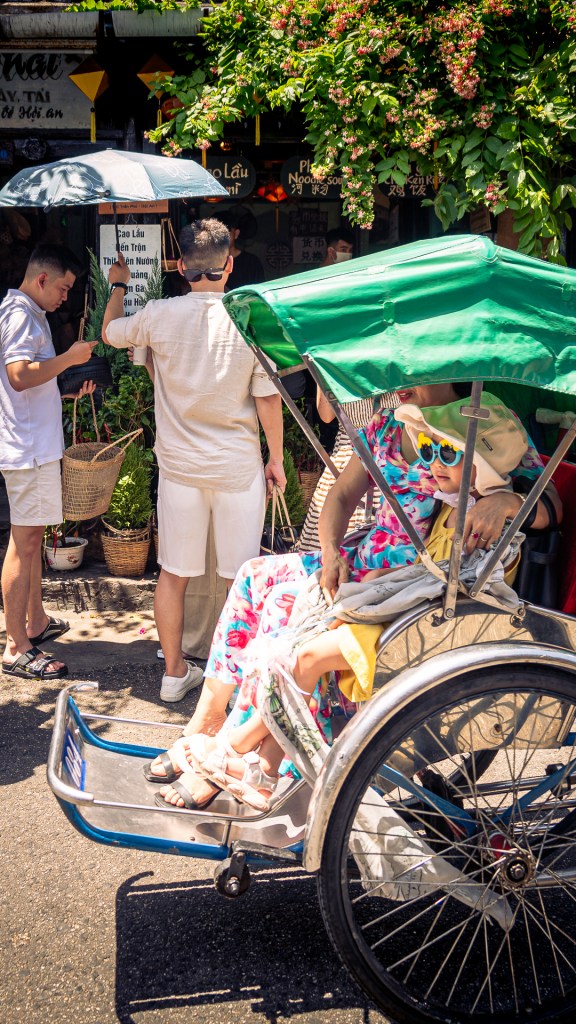
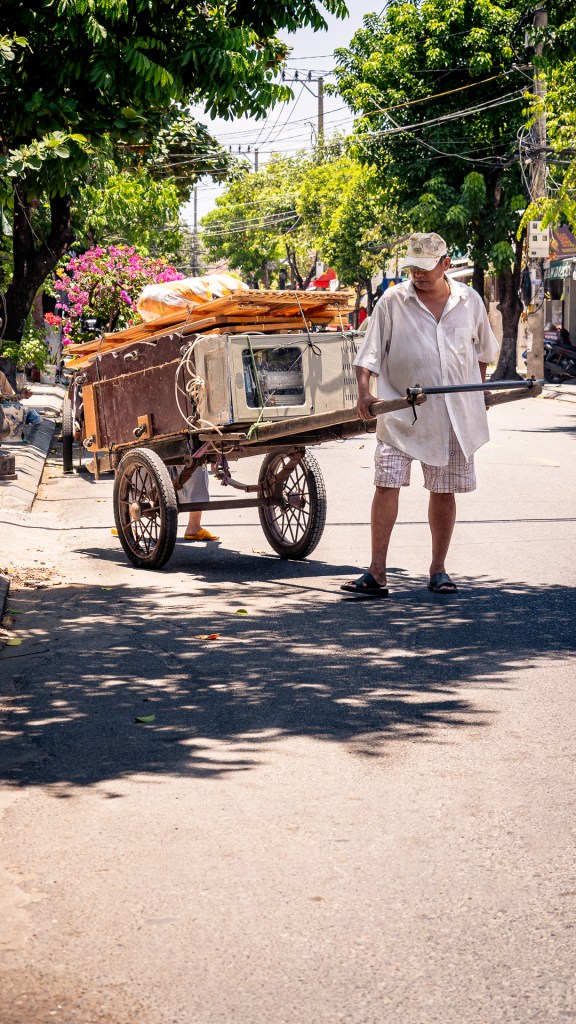

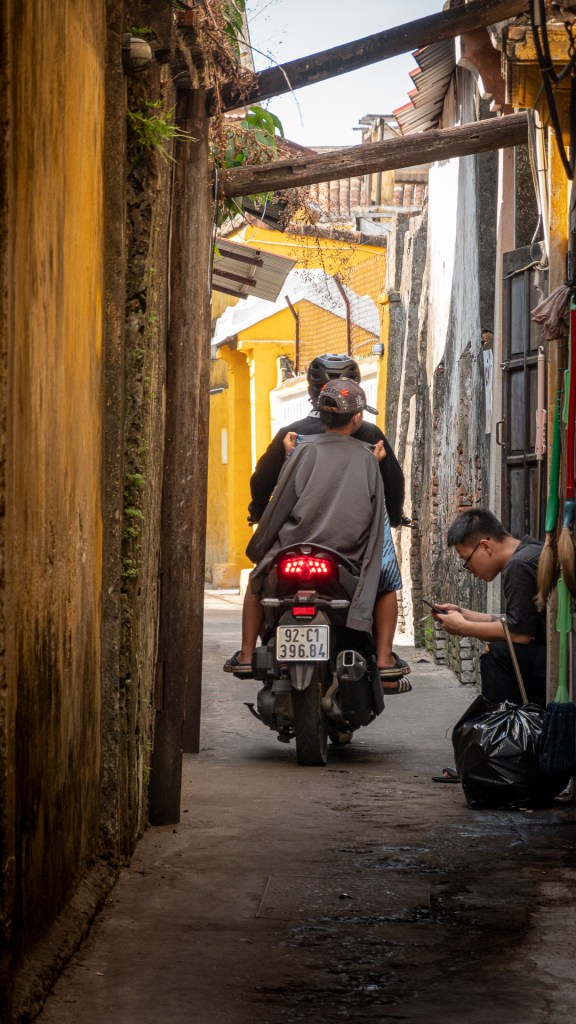
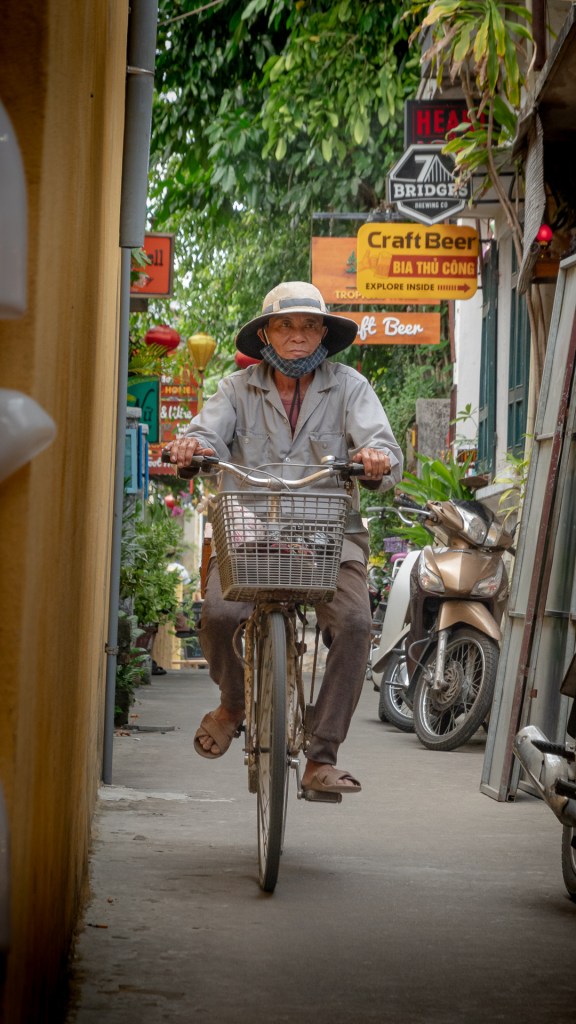
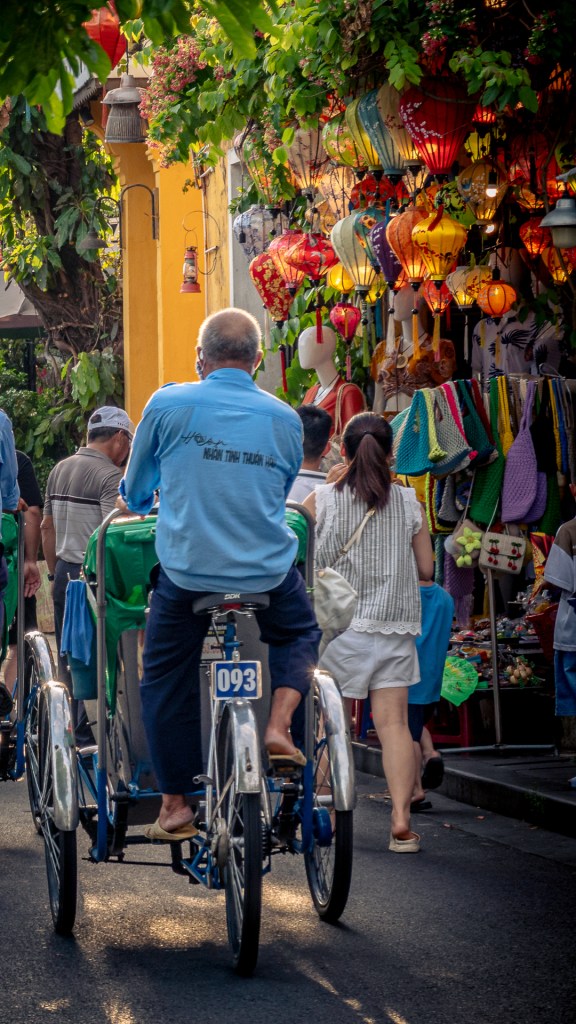
Fantastic photo opportunities around every corner.
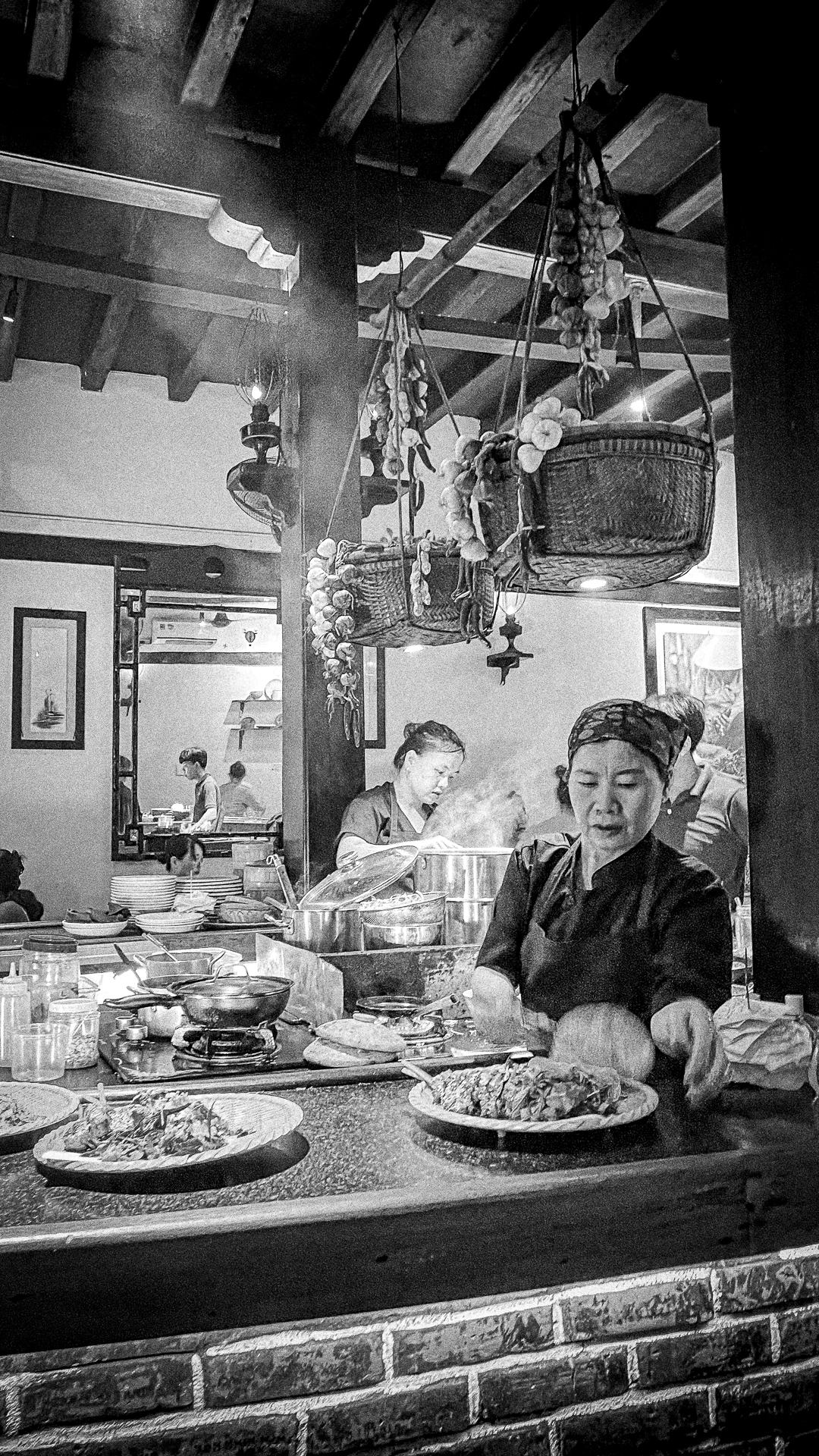
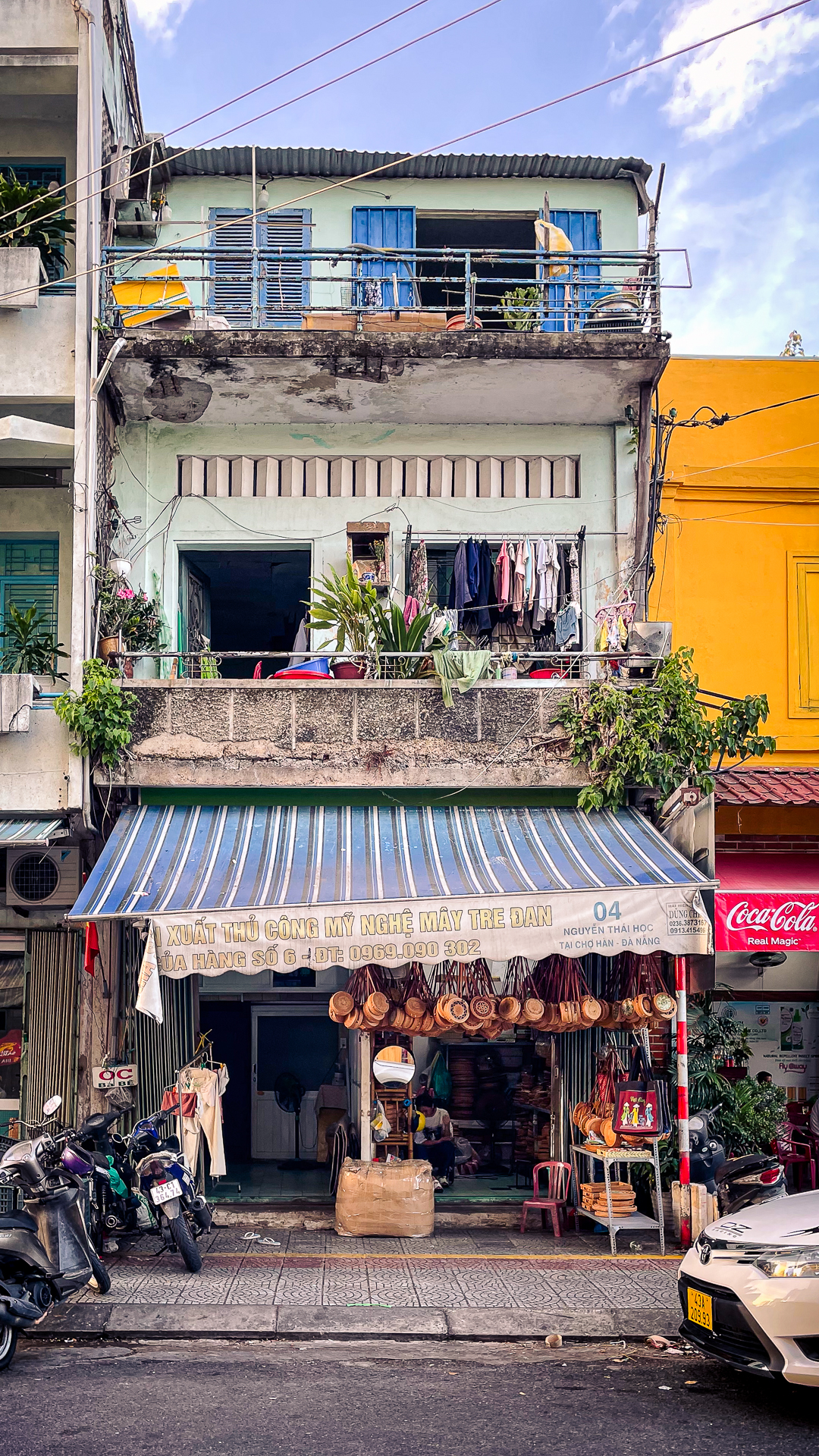
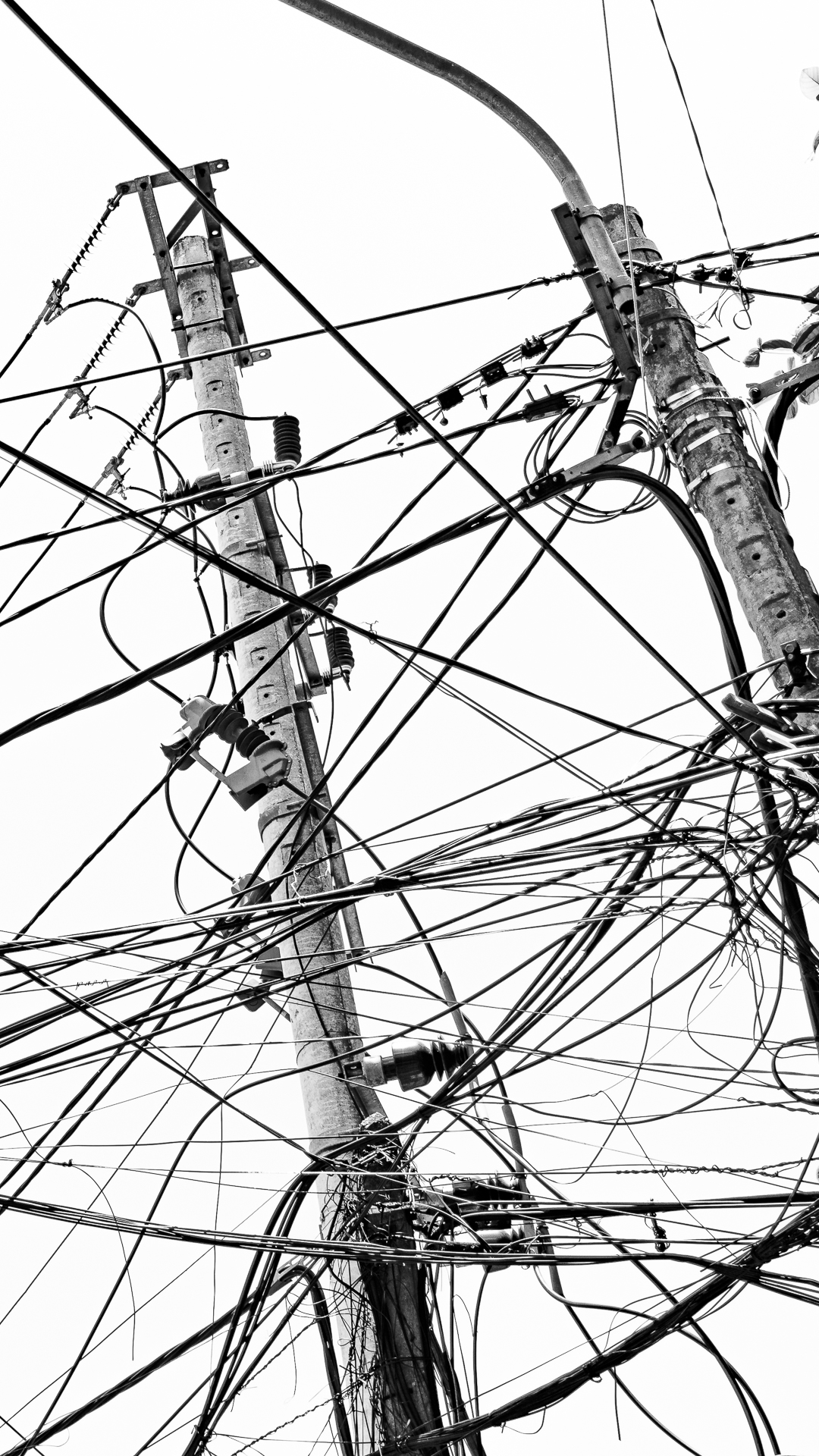
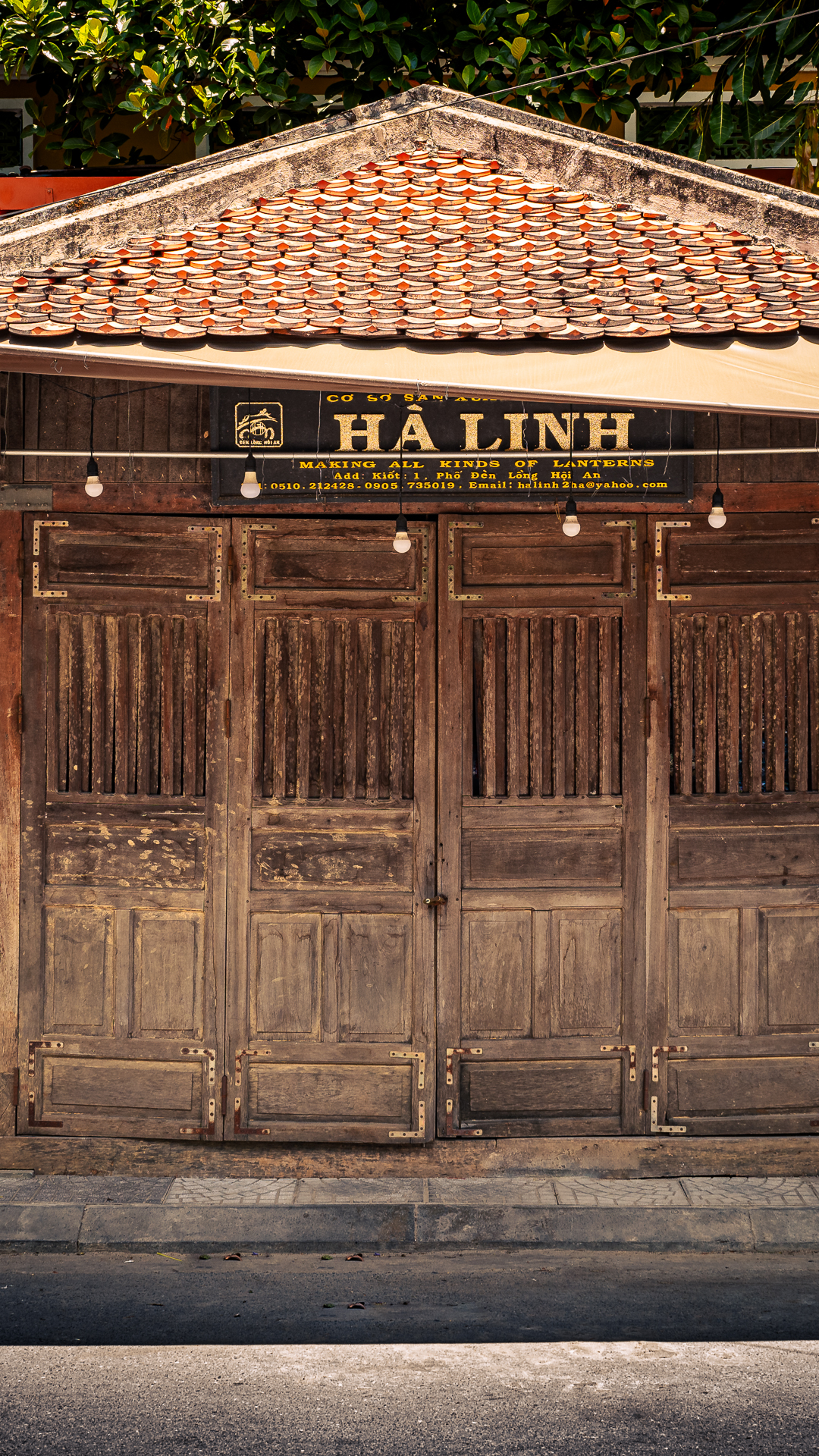
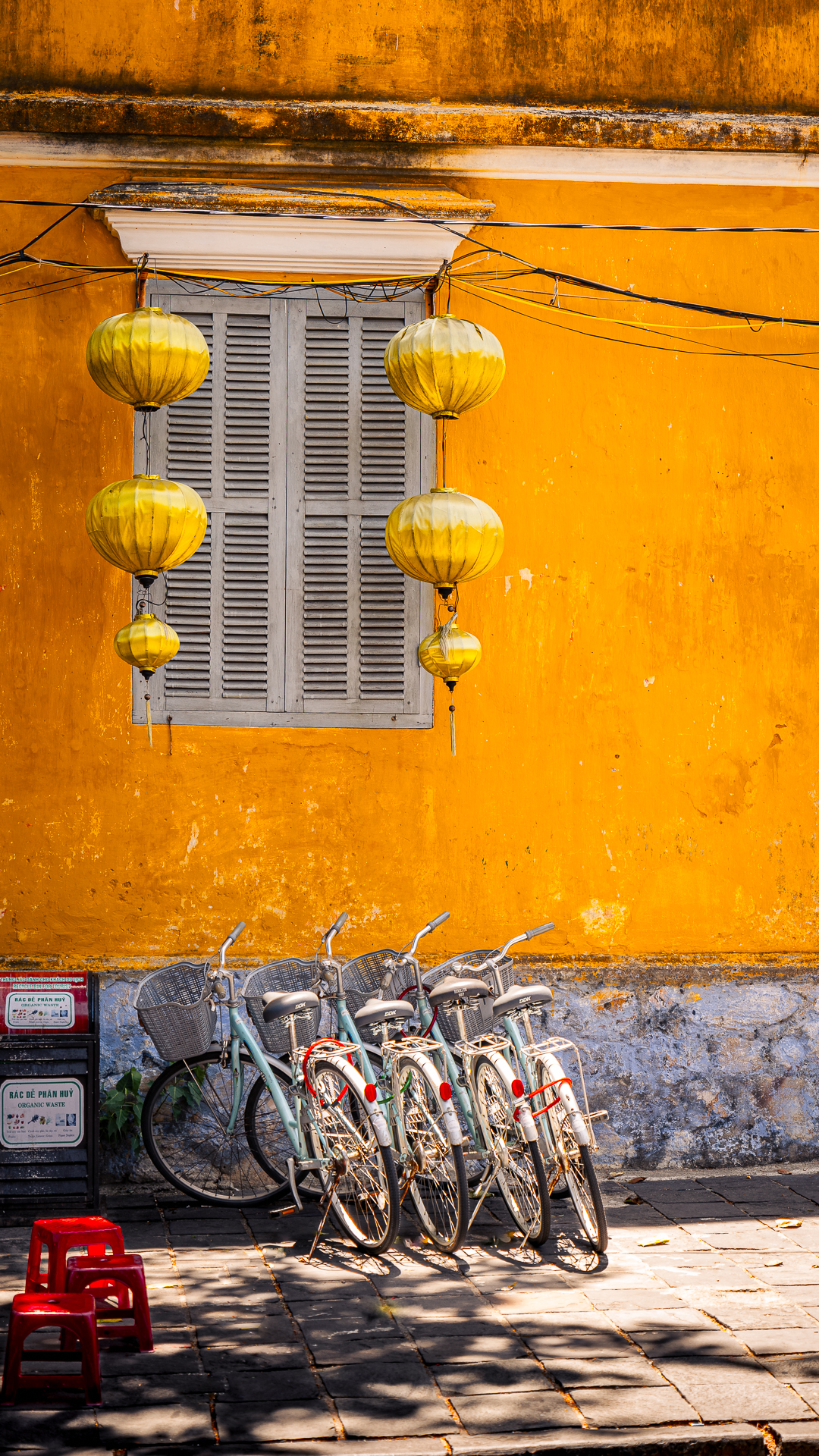

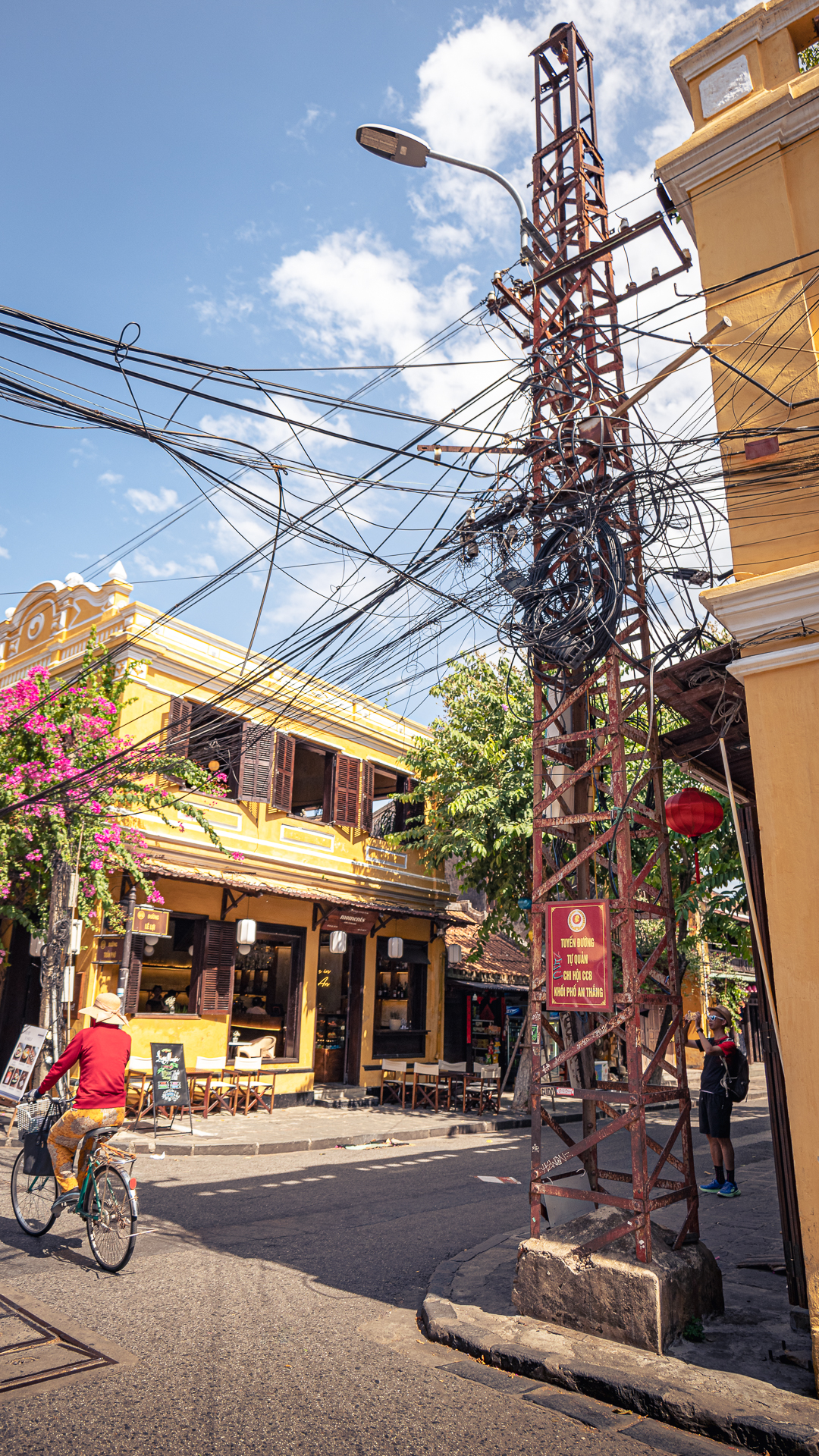

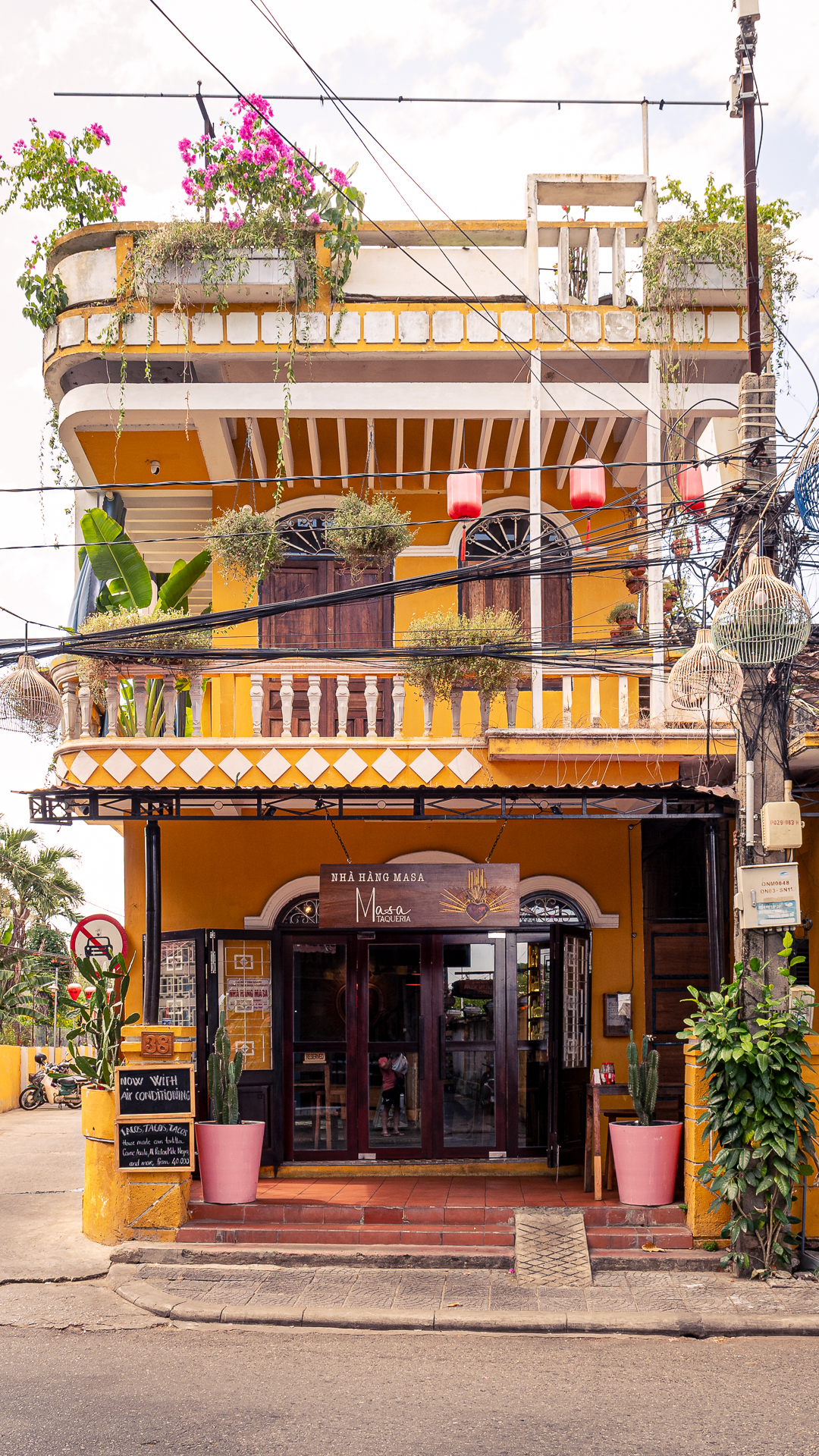
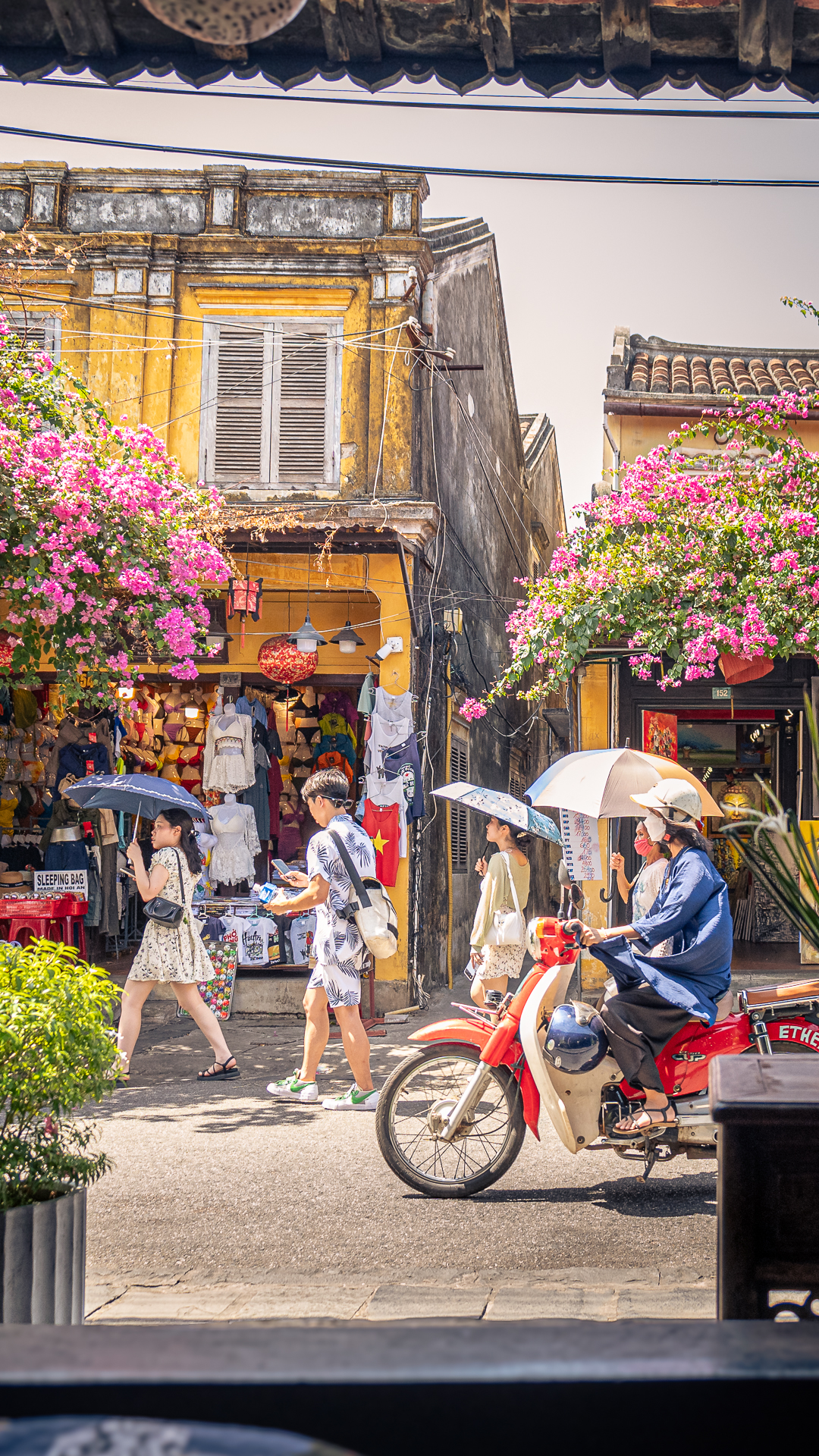
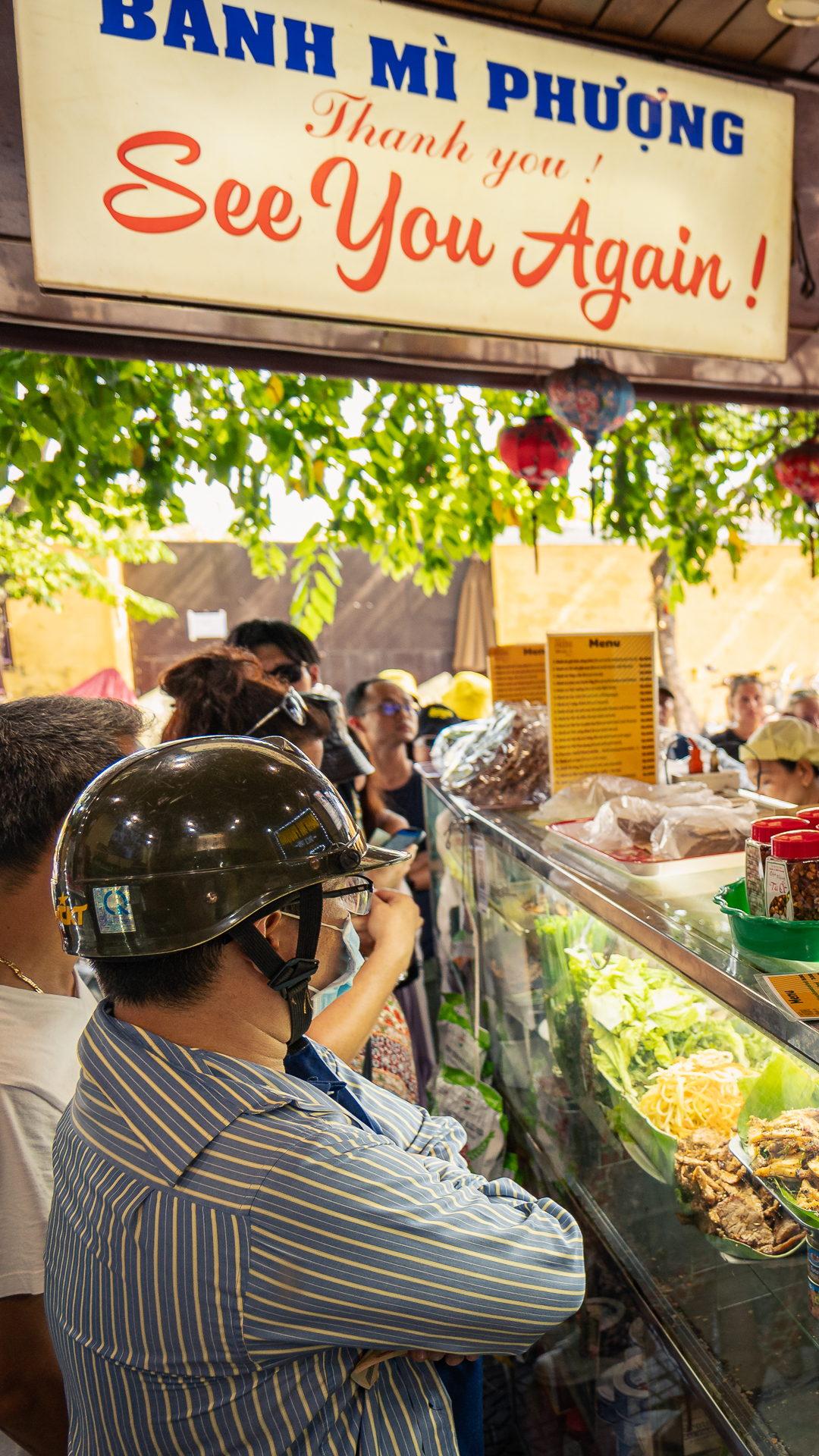
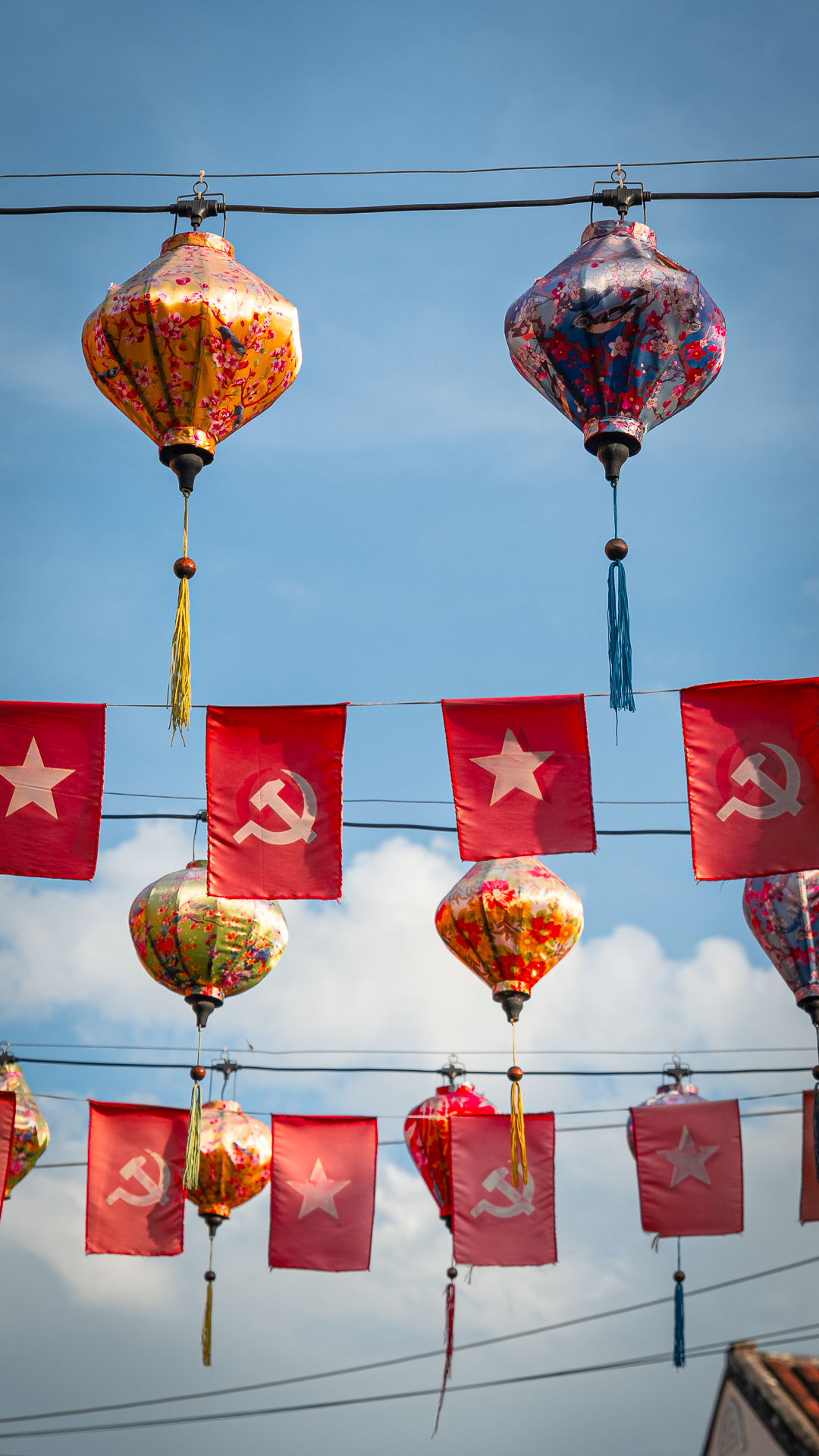
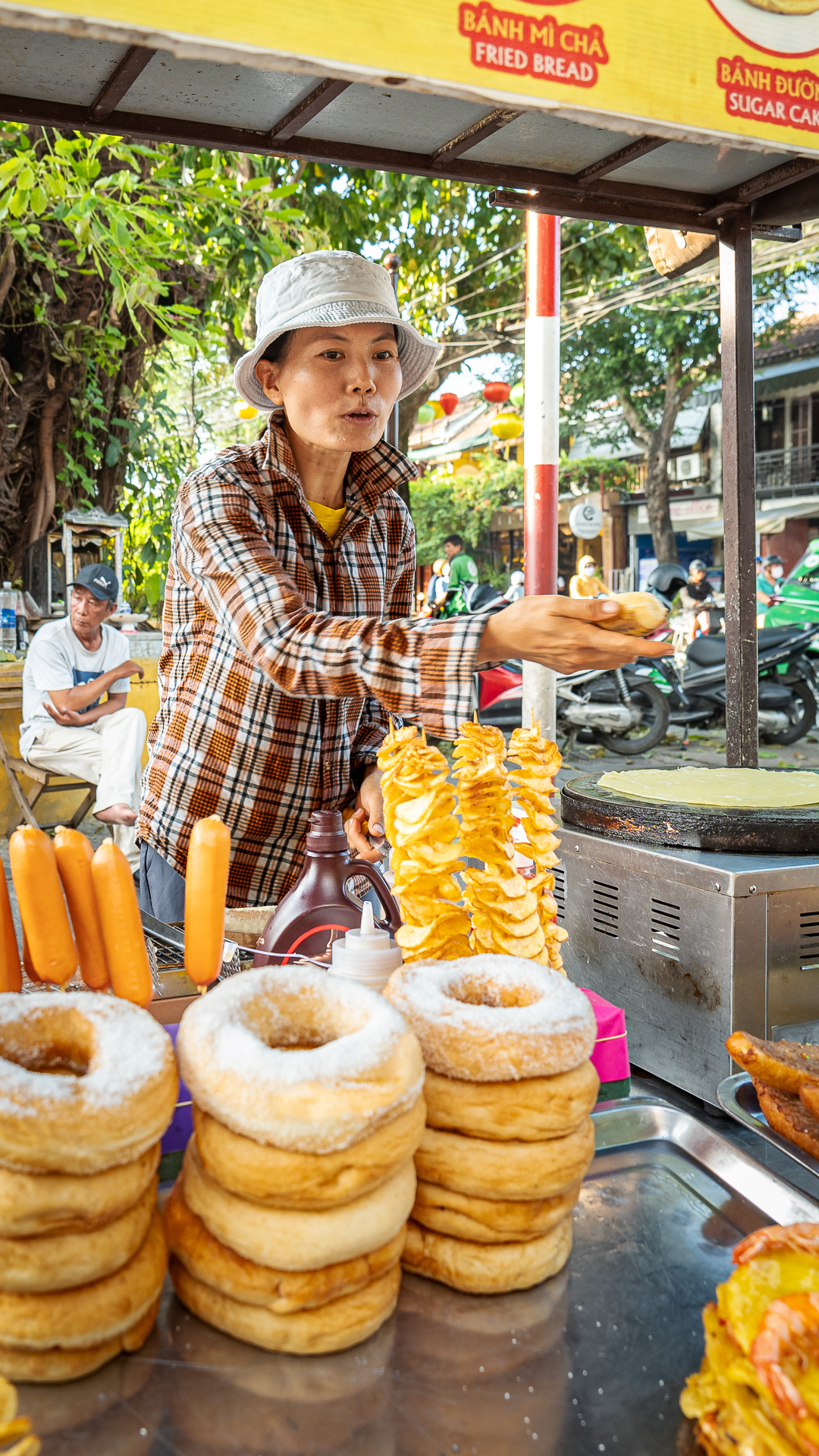
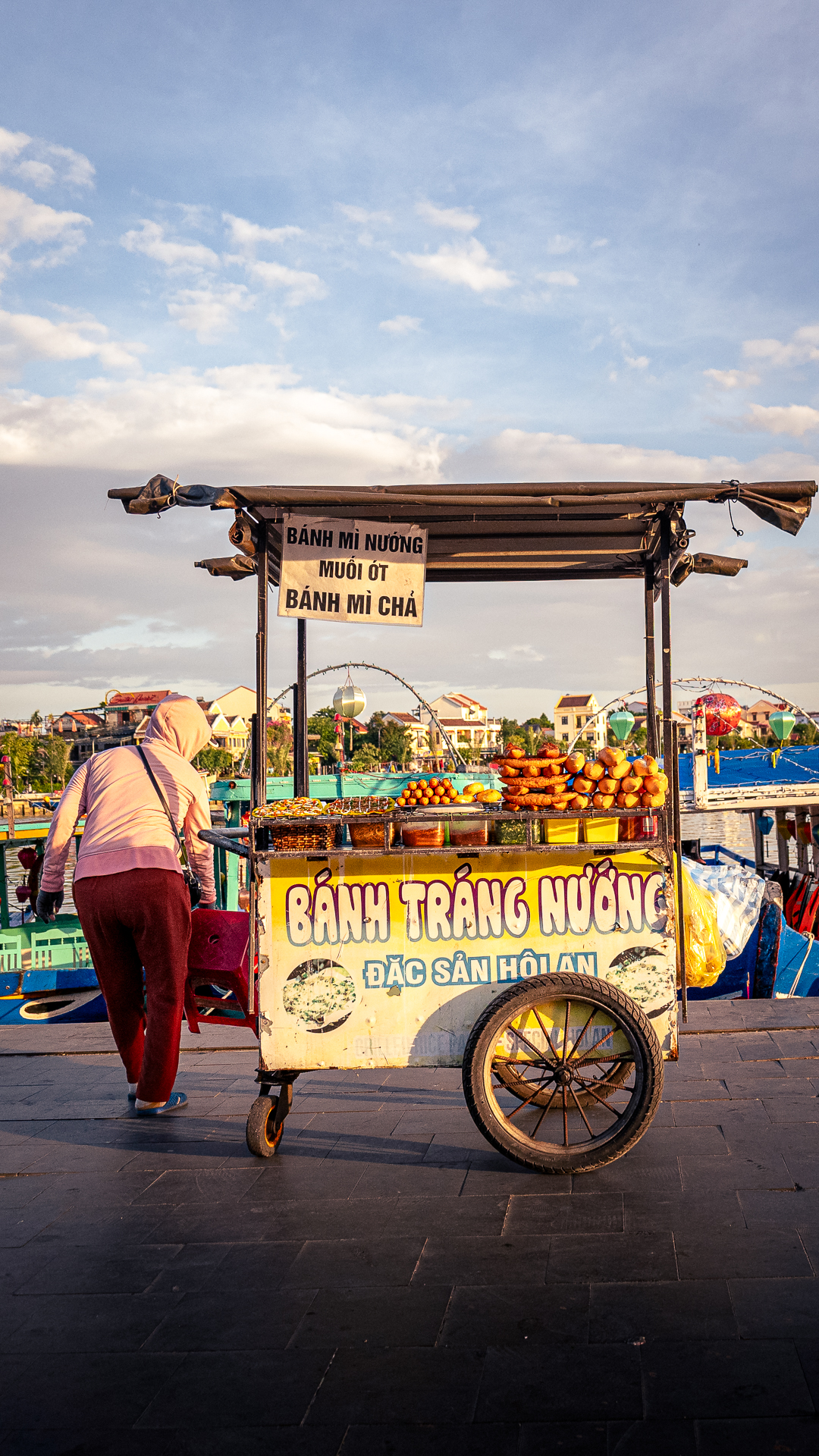
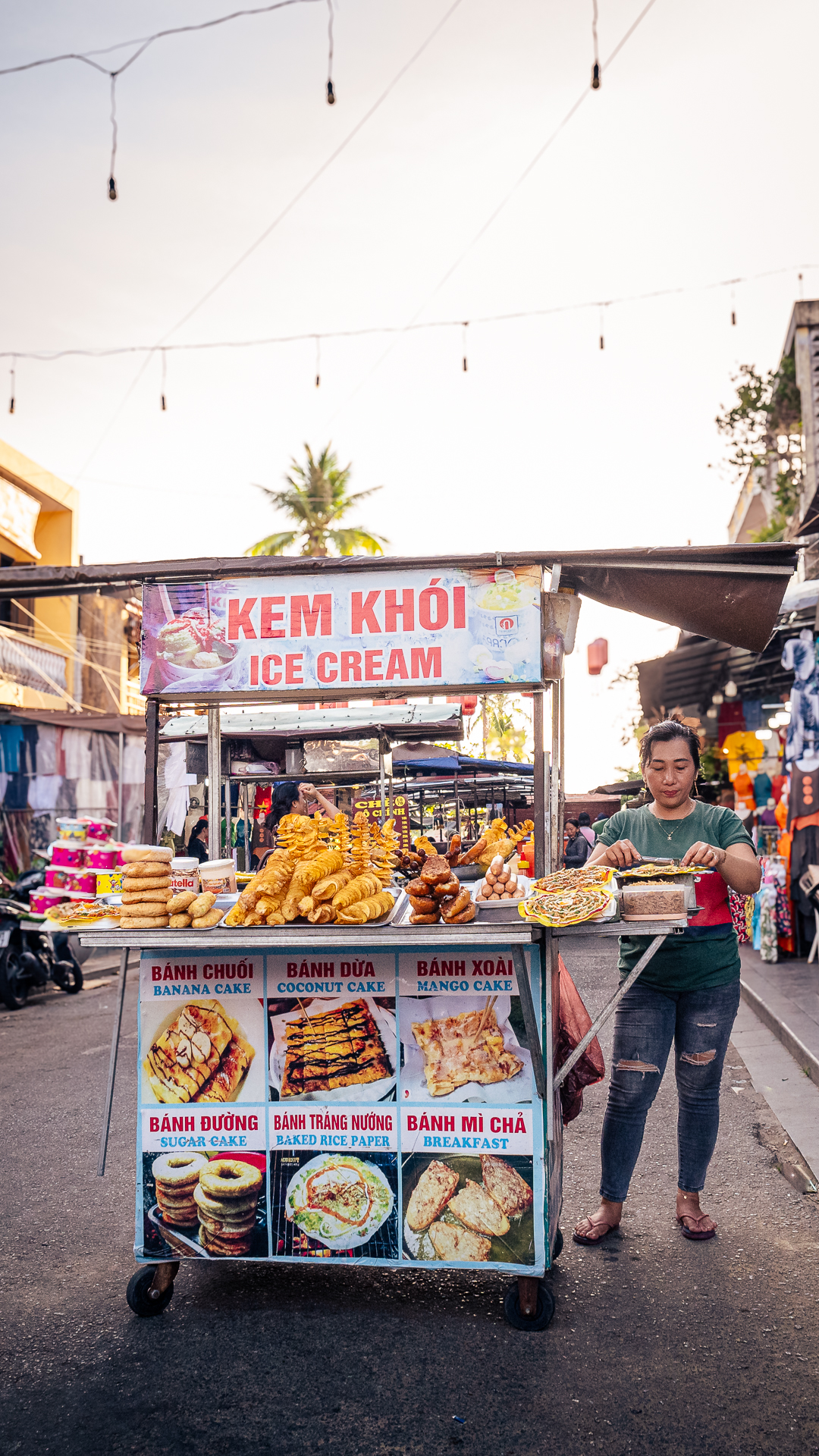

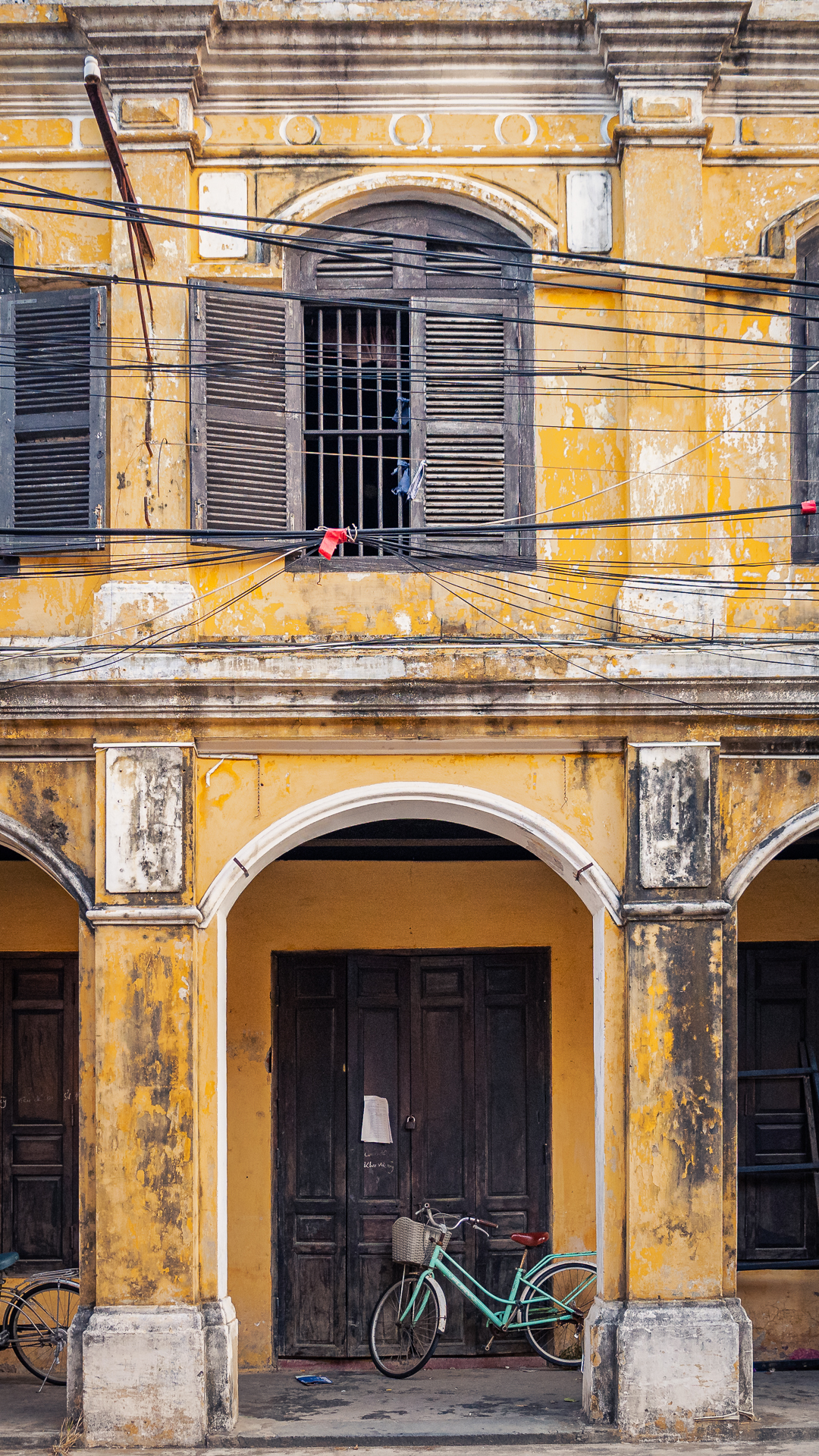
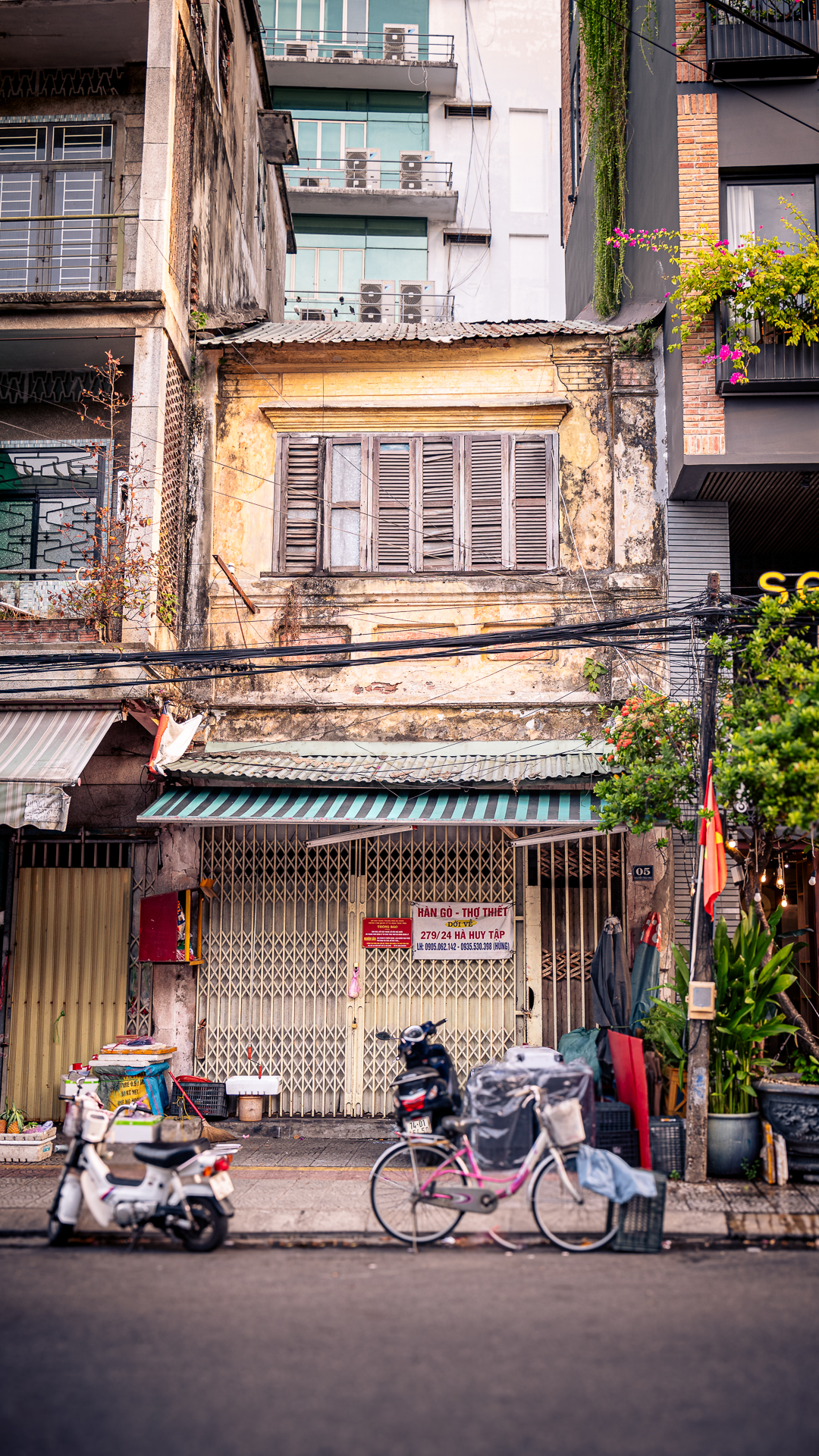
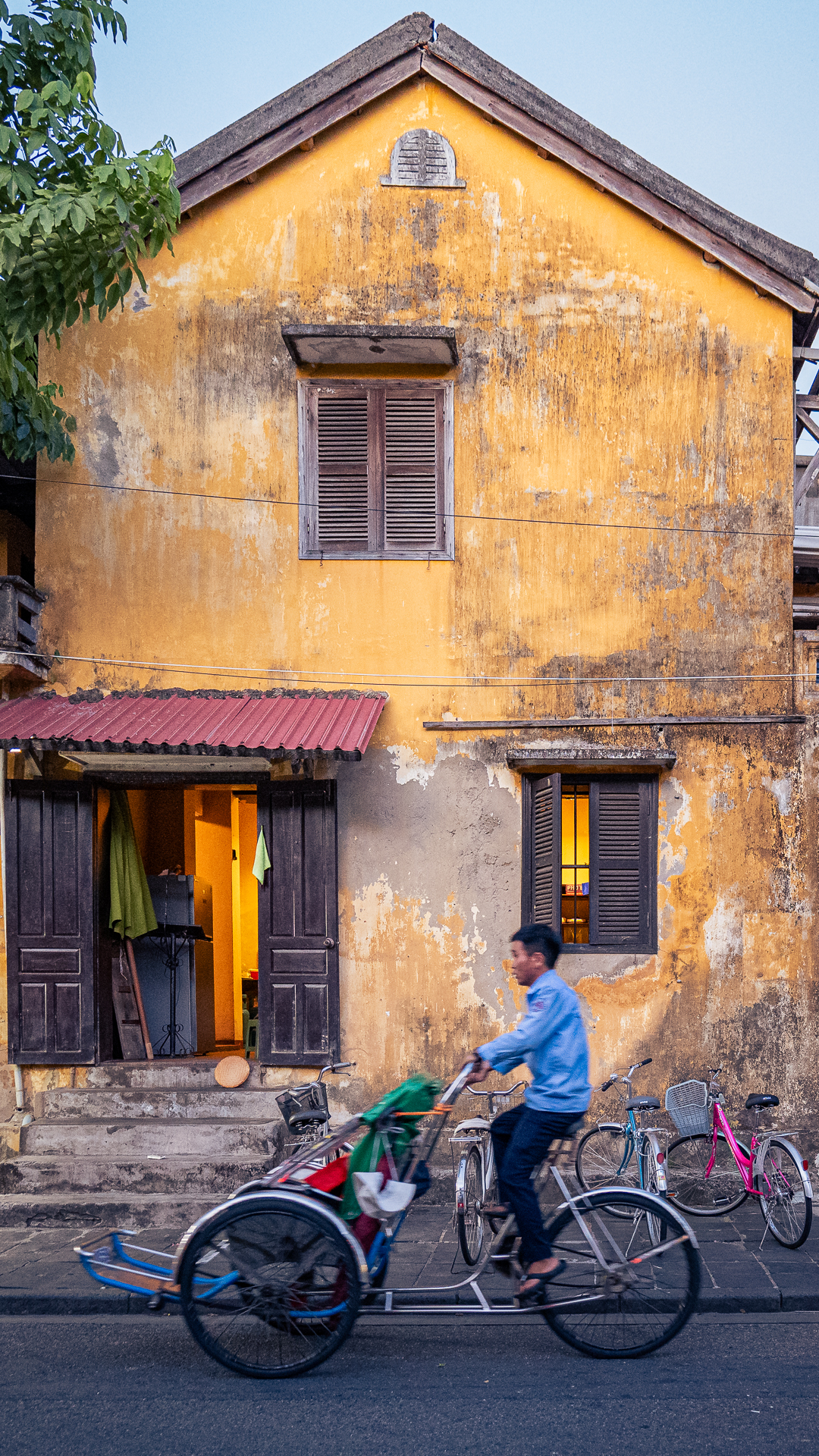

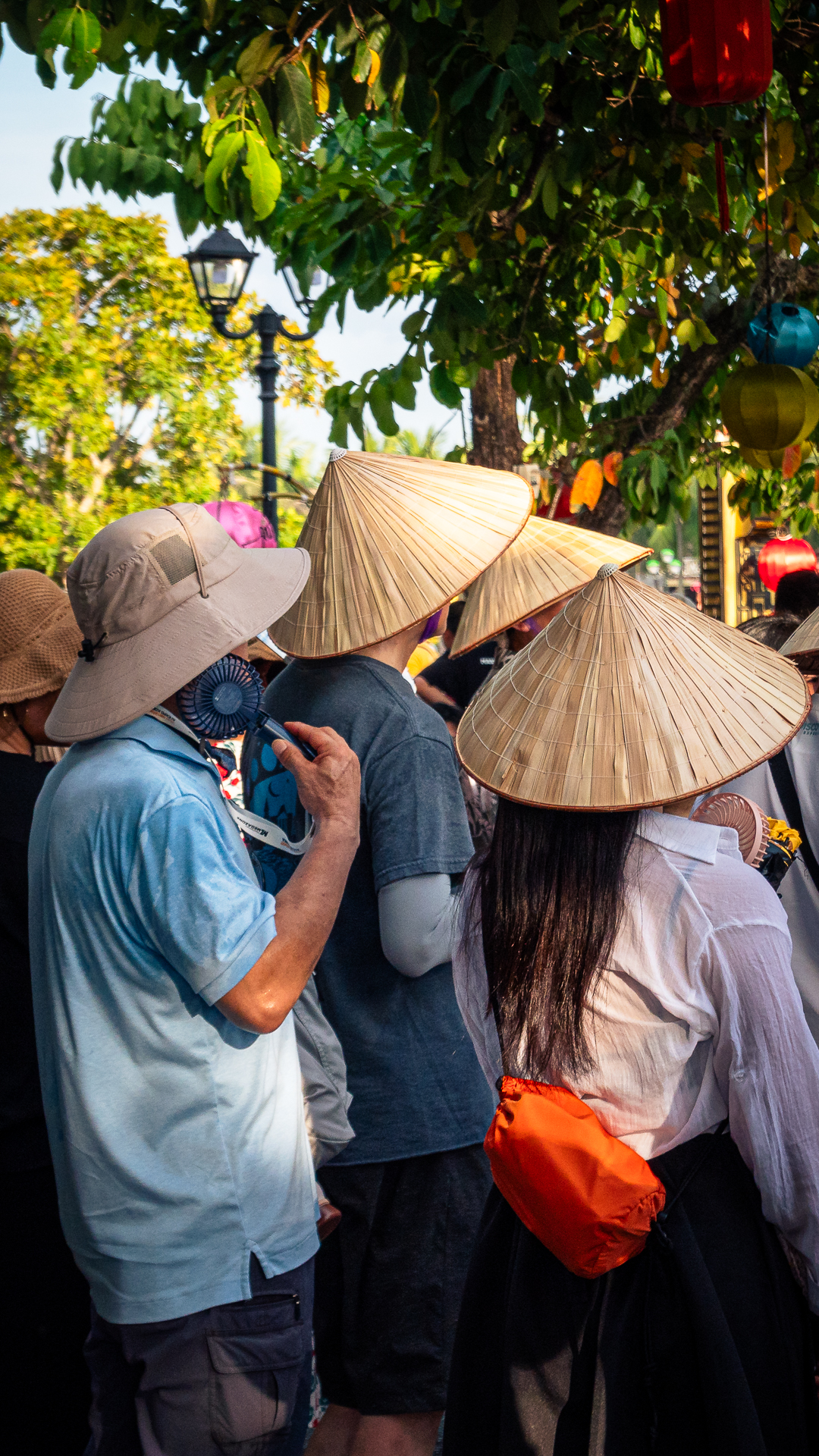


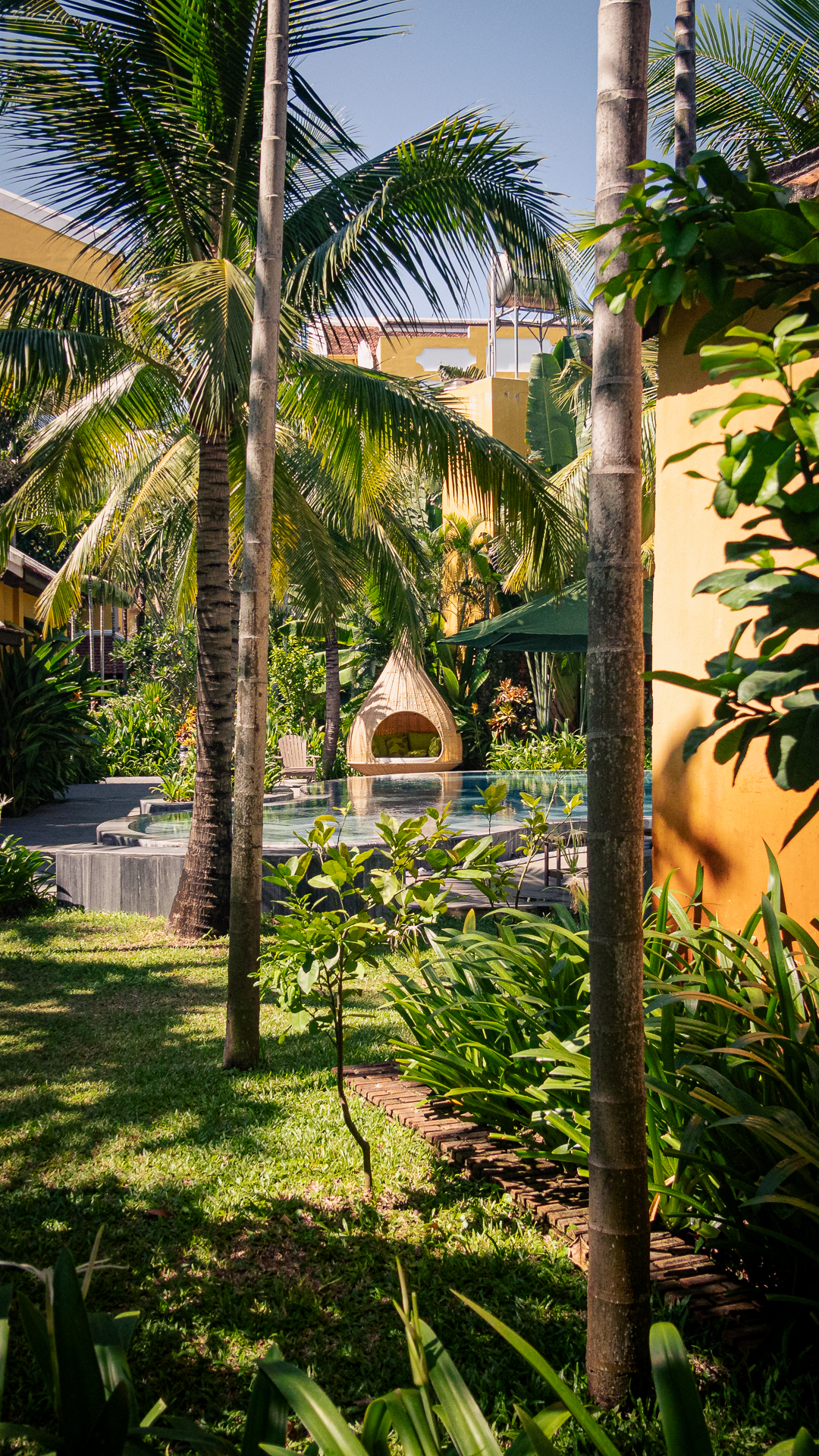
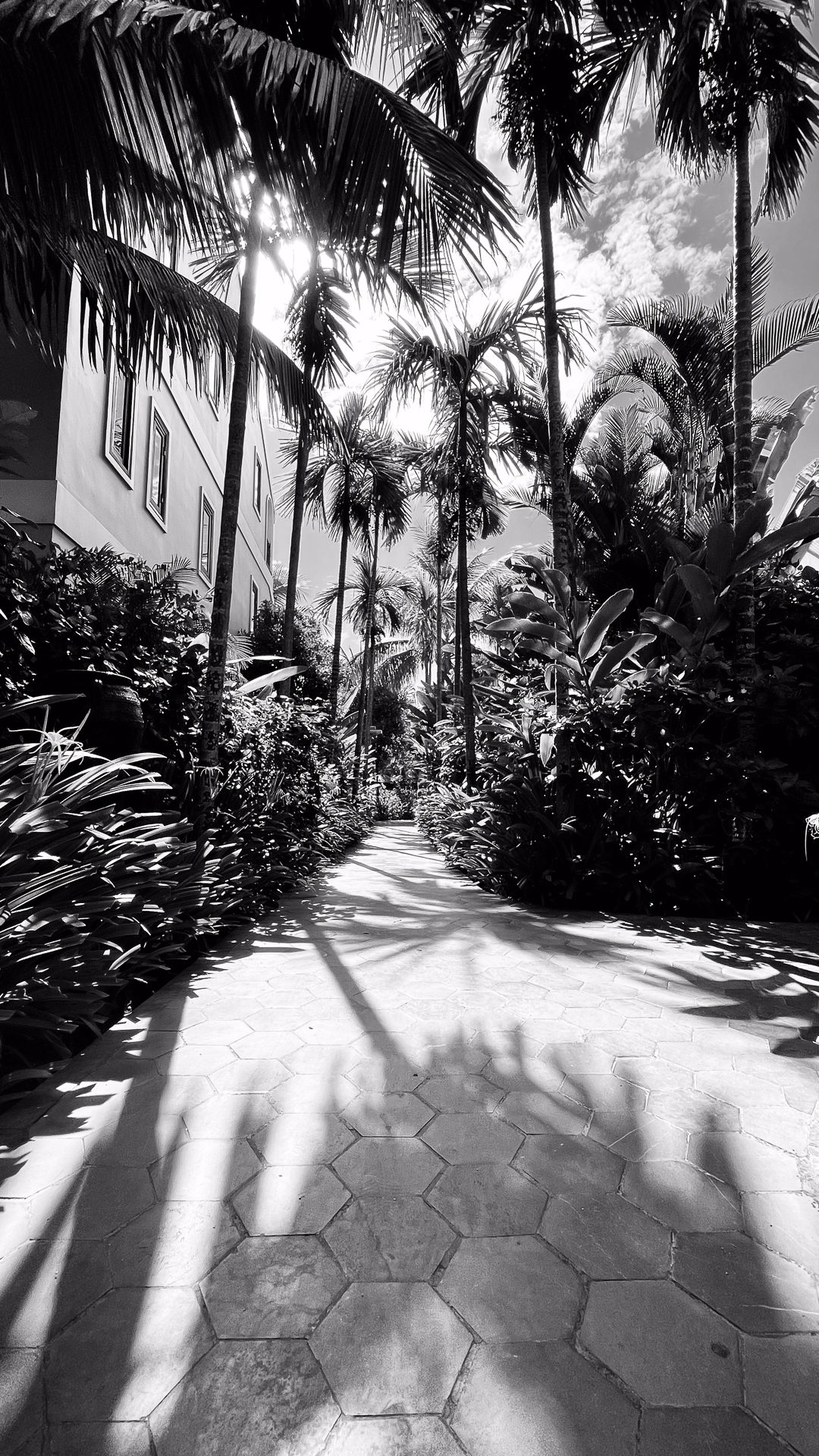
Photographing Hoi An can be a delightful and rewarding experience. Hoi An is a picturesque town known for its well-preserved ancient architecture, vibrant lantern-lit streets, and a unique blend of Vietnamese, Chinese, and Japanese influences. Below are some tips for capturing the beauty of the place through your camera lens:
- Golden Hour: The best time to photograph Hoi An is during the golden hours, which occur shortly after sunrise and before sunset. The soft, warm light during these times can make the town’s colorful buildings and lanterns come to life.
- Lanterns: Hoi An is famous for its lanterns, and you’ll find them adorning the streets, shops, and even floating on the river. Try photographing them both during the day and at night when they are beautifully lit up.
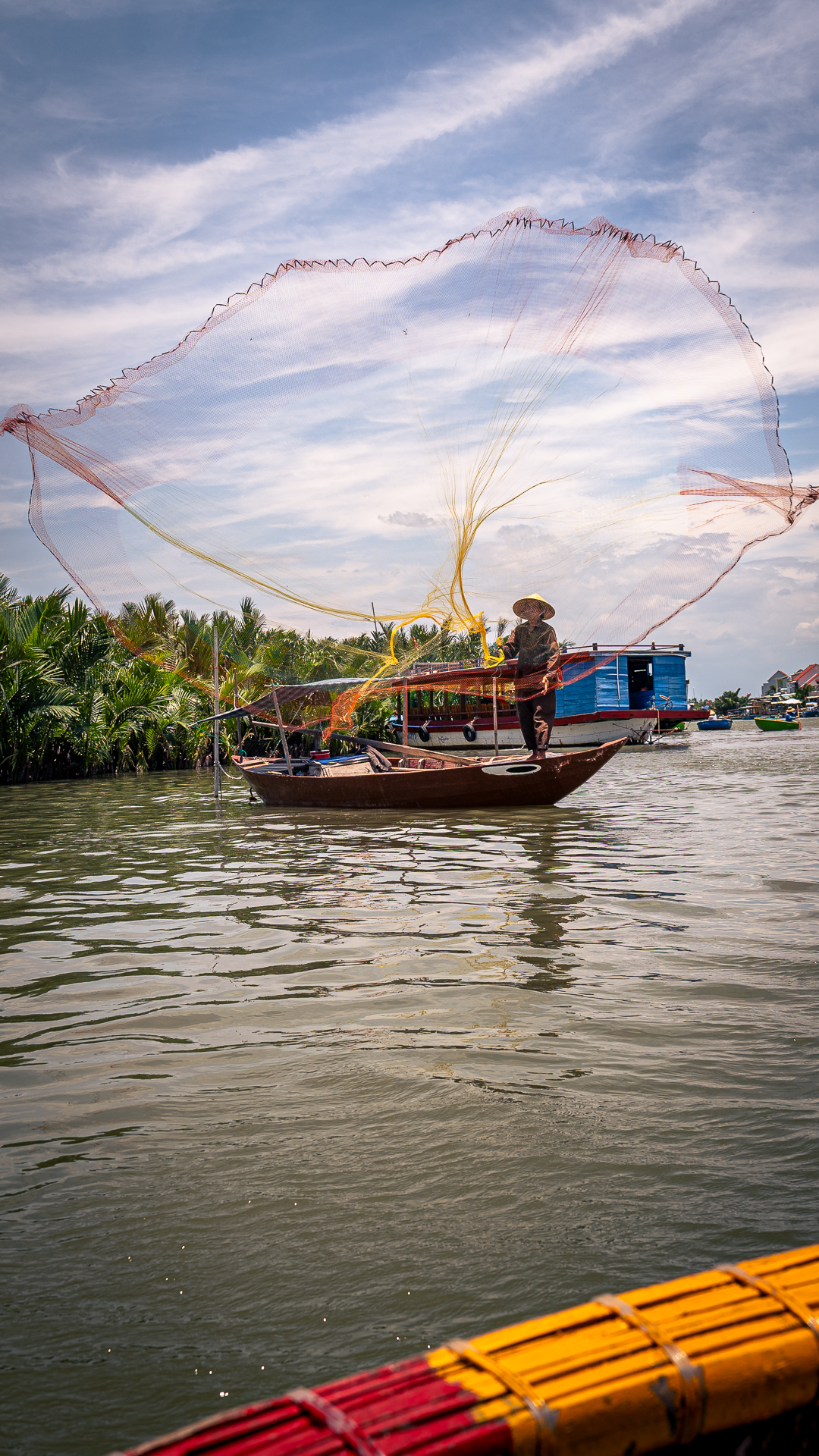
- Riverfront: The Thu Bon River that flows through Hoi An provides numerous photo opportunities. You can capture traditional wooden boats, the iconic Japanese Covered Bridge, and the riverside architecture.
- Street Scenes: Wander through the narrow, winding streets of the old town. Capture everyday life, street vendors, and the unique architecture. Look for interesting doorways, windows, and textures.
- Local People: Don’t hesitate to ask for permission before taking photos of the locals. Many of them are friendly and willing to be photographed. Portraits of people can add a human element to your Hoi An photo collection.
- Food and Markets: Vietnamese cuisine is delicious, and Hoi An is no exception. Capture the vibrant colors and textures of the local dishes and visit the bustling markets for more photographic subjects.
- Cultural Events: Hoi An hosts various cultural events and festivals throughout the year. These can be great opportunities for capturing traditional costumes, performances, and lively parades.
- Silk Lantern Making: Hoi An is known for its silk lanterns. Visit a lantern-making workshop and document the craftsmanship that goes into creating these beautiful lanterns.
- Festivals: Try to time your visit with one of Hoi An’s many festivals, such as the Full Moon Lantern Festival. These events are filled with cultural performances and stunning visual displays.
- Weather and Seasons: Consider the time of year you visit. The weather can vary from hot and humid to cooler during the rainy season. Each season offers unique photographic opportunities.
- Tripod for Night Photography: If you’re interested in capturing Hoi An’s beautiful lantern-lit streets at night, bring a tripod to stabilize your camera for long exposure shots.
Da Nang
We got a taxi from Hoi An to Da Nang one afternoon just to see what it was like. Wow, it was completely different. Nestled along the central coast, this rapidly growing city boasts a striking skyline against a backdrop of picturesque mountains and pristine beaches. The iconic Dragon Bridge and the Marble Mountains are captivating landmarks that reflect the city’s cultural richness and contemporary spirit. Da Nang’s long stretches of sandy shores, such as My Khe Beach, offer a relaxing escape, while the vibrant Han River promenade is alive with local life and evening activities.
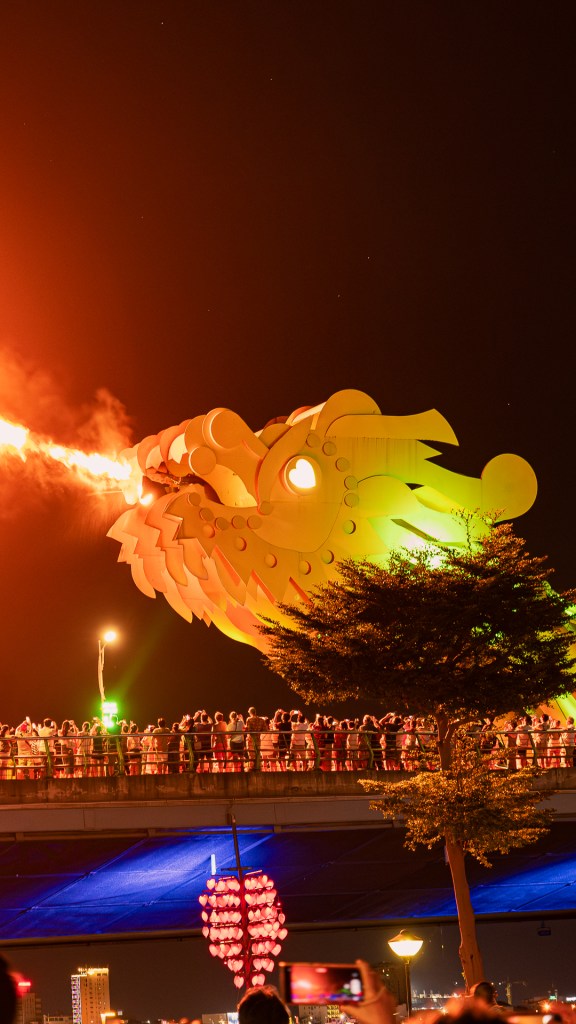
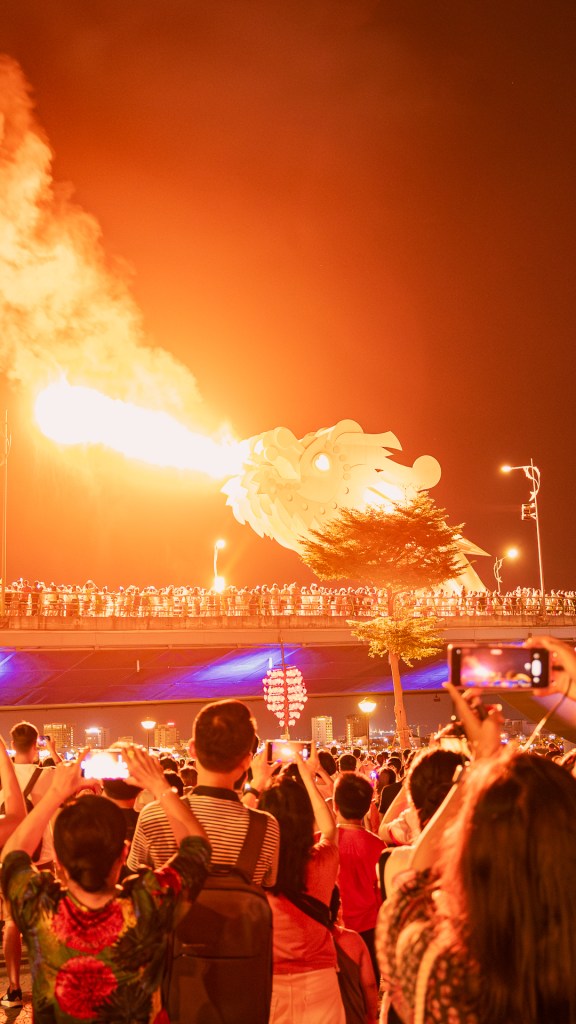
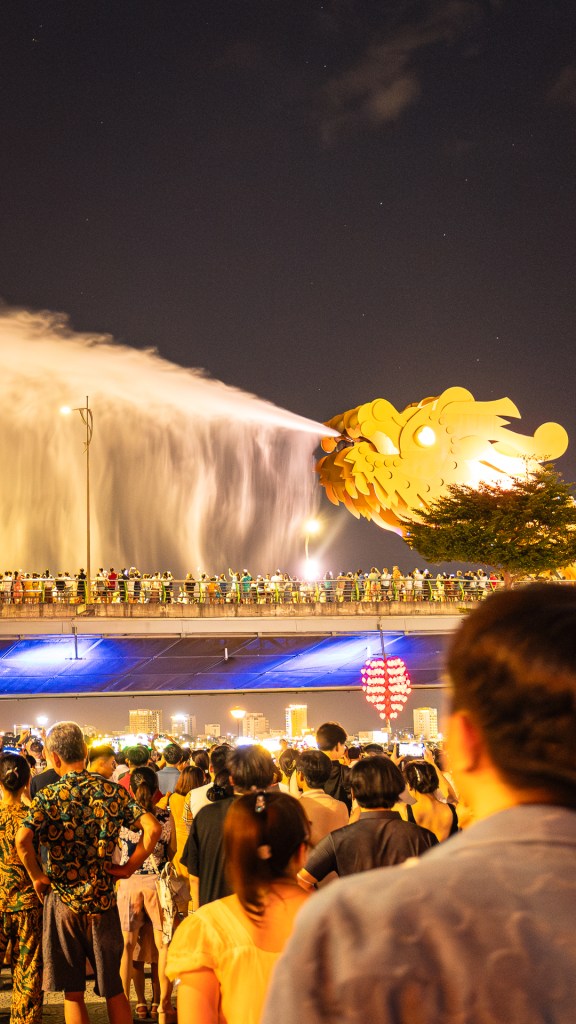
We walked along the beach and then headed to a market before catching some dinner. The main draw for us visiting Da Nang was to see the the Dragon Bridge, an iconic testament to the city’s modernity and cultural symbolism. Spanning the Han River, this architectural marvel is not merely a transportation link but a captivating spectacle in its own right. The bridge’s design, with its dragon-shaped steel structure, is a nod to Vietnamese folklore and mythology, where dragons are considered symbols of power, nobility, and good fortune. Lit up in a vibrant display of colors at night, the Dragon Bridge becomes a mesmerizing centerpiece, especially during the weekend when it breathes fire and spouts water, adding a touch of spectacle to the city’s evenings.
Ba Na Hills
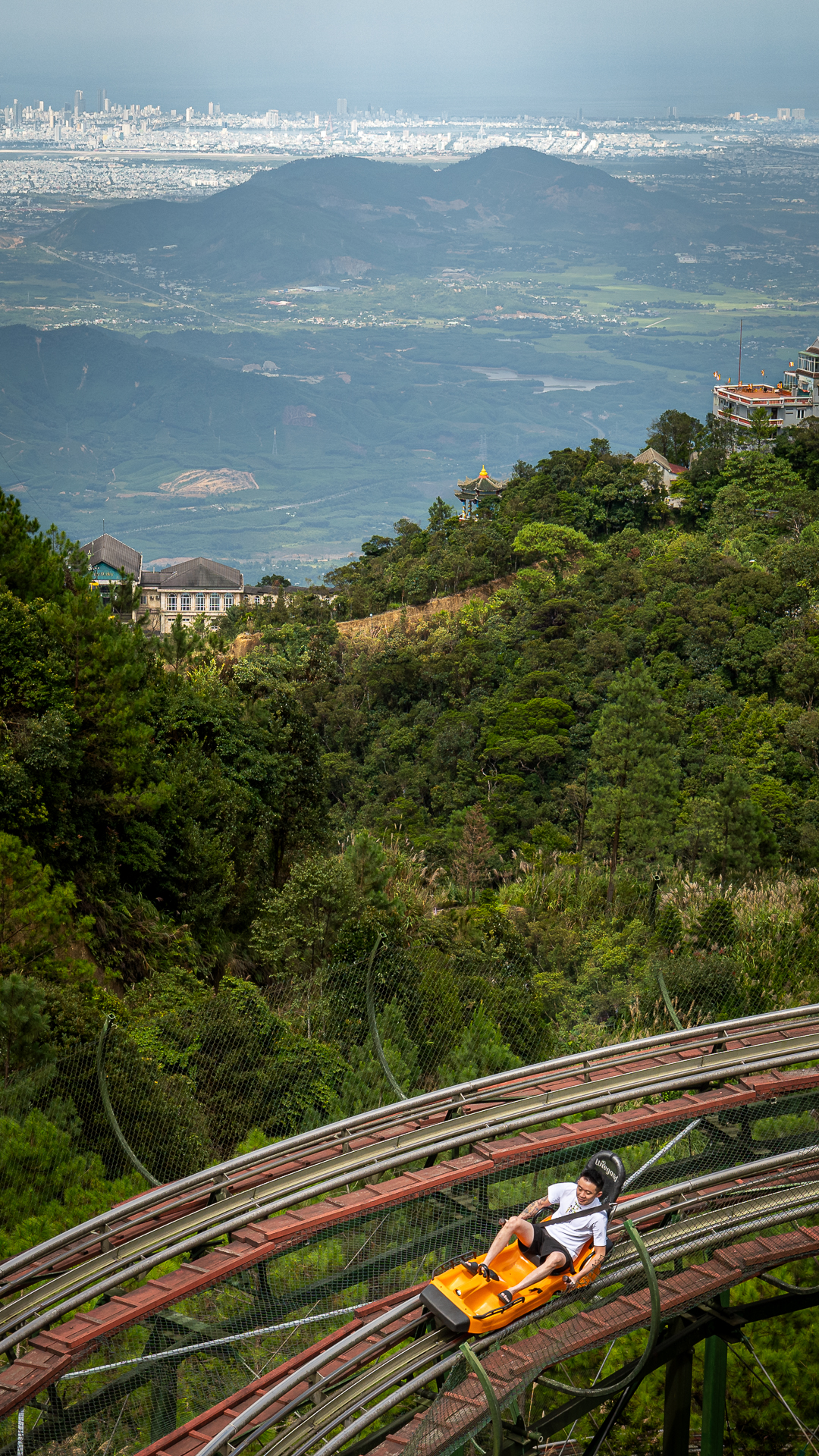
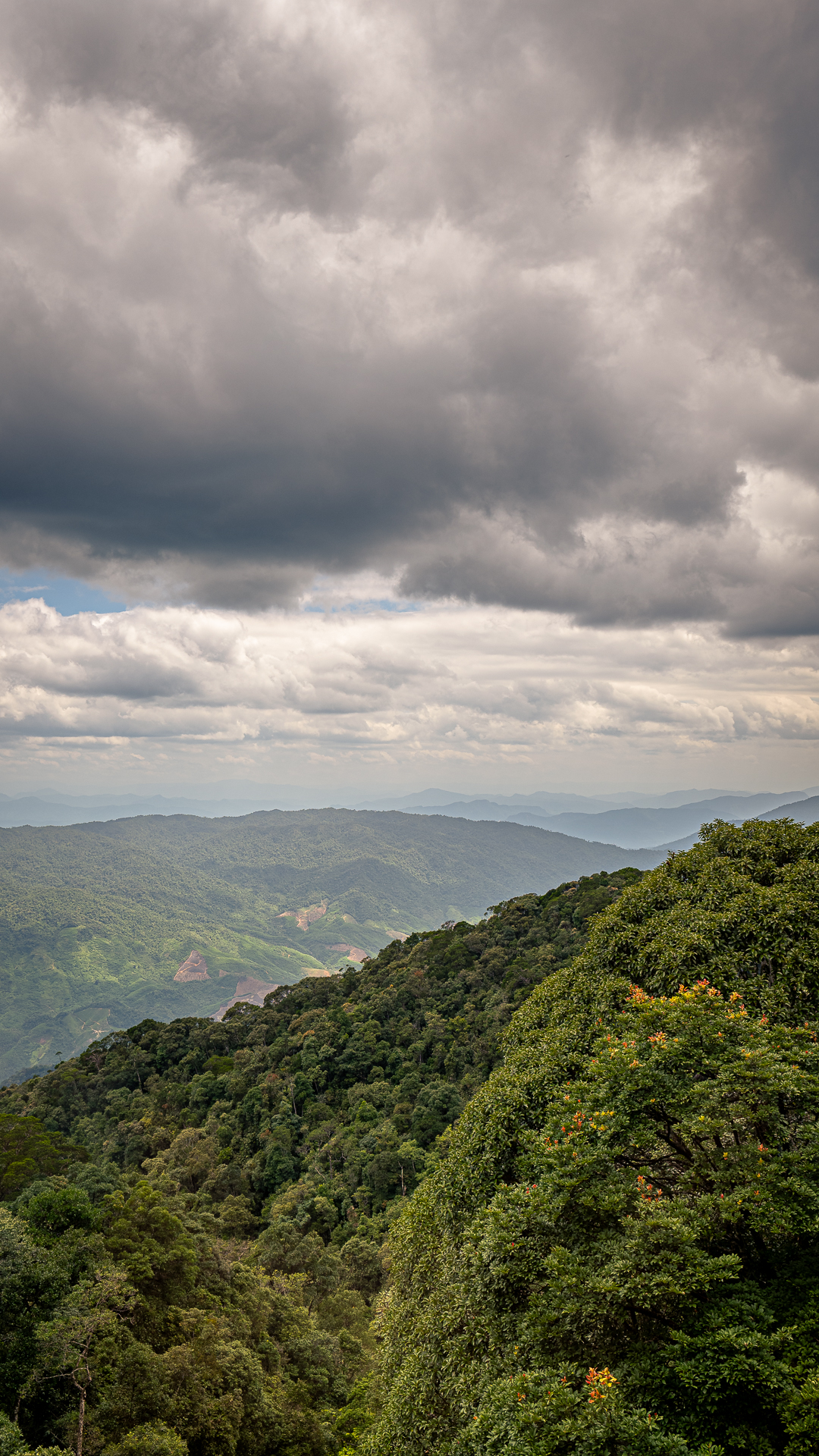
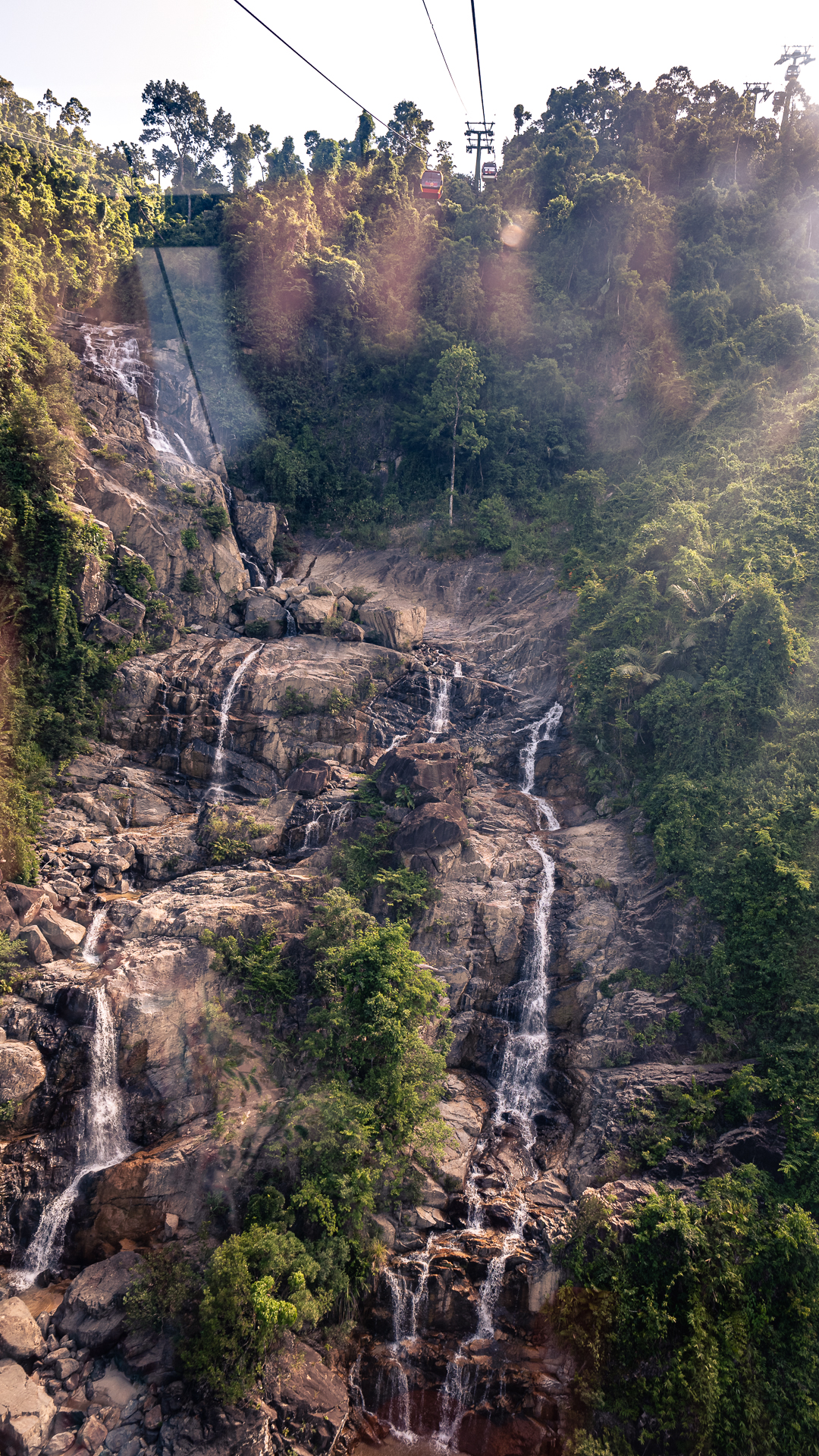
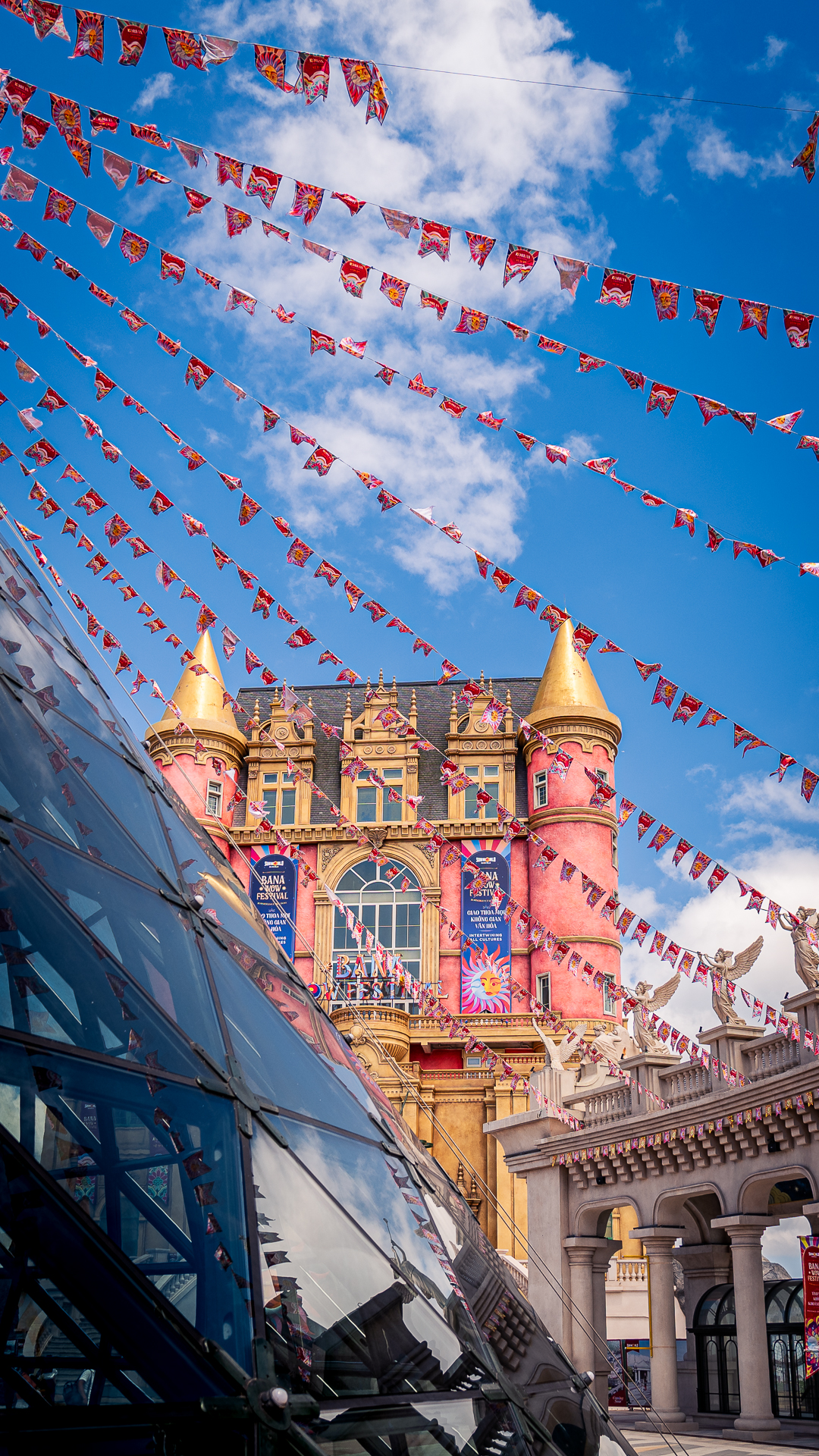
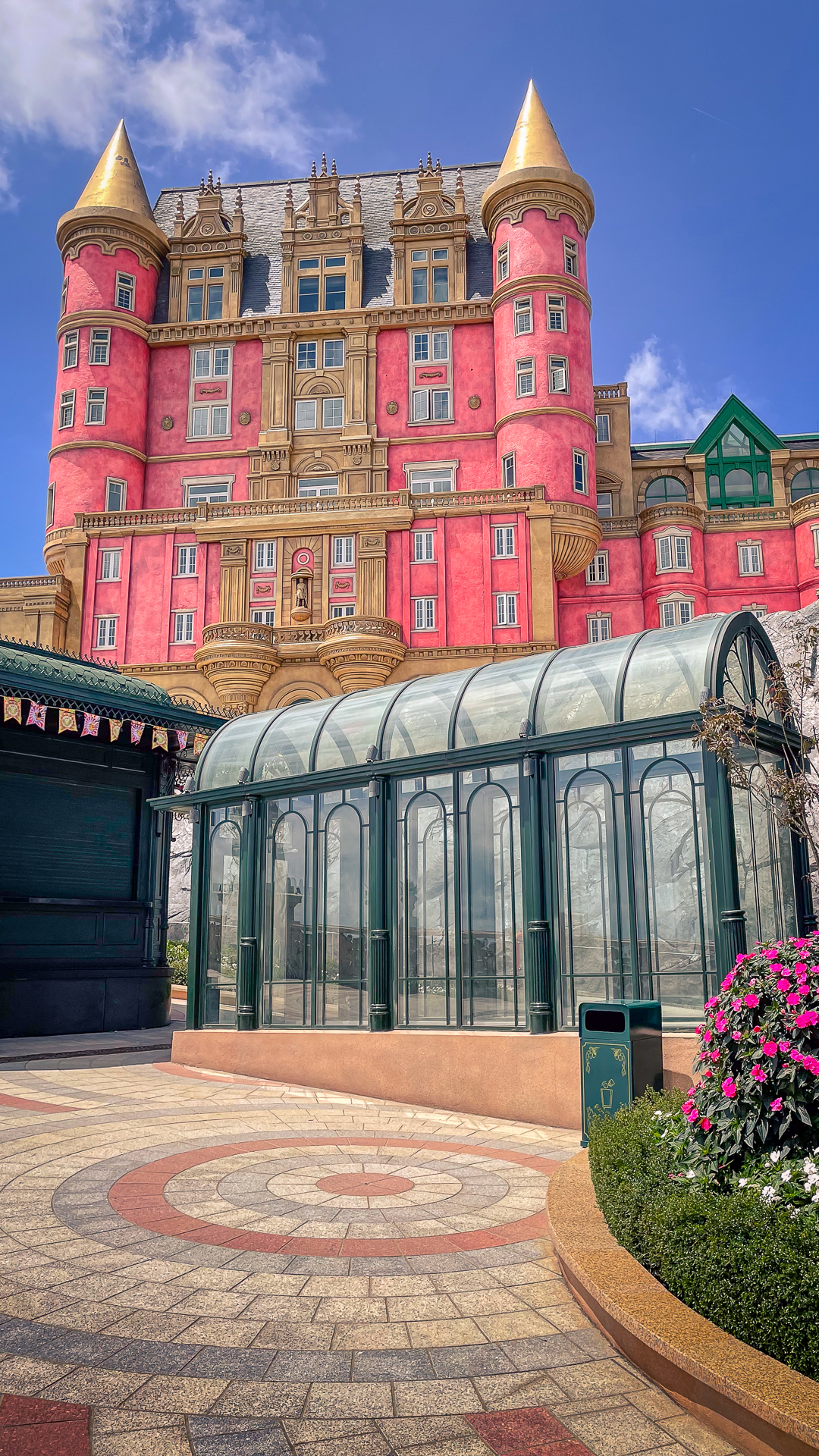
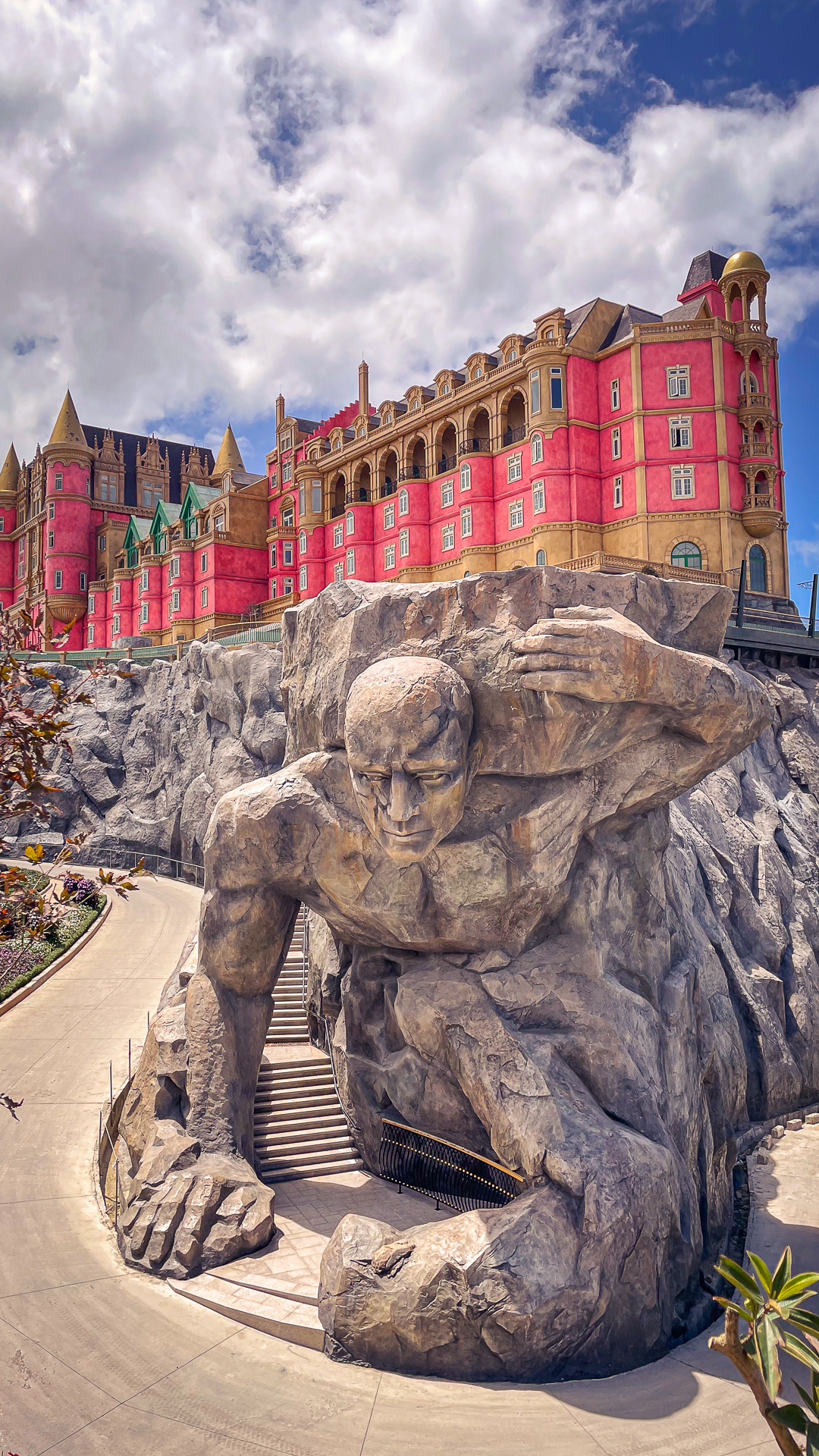
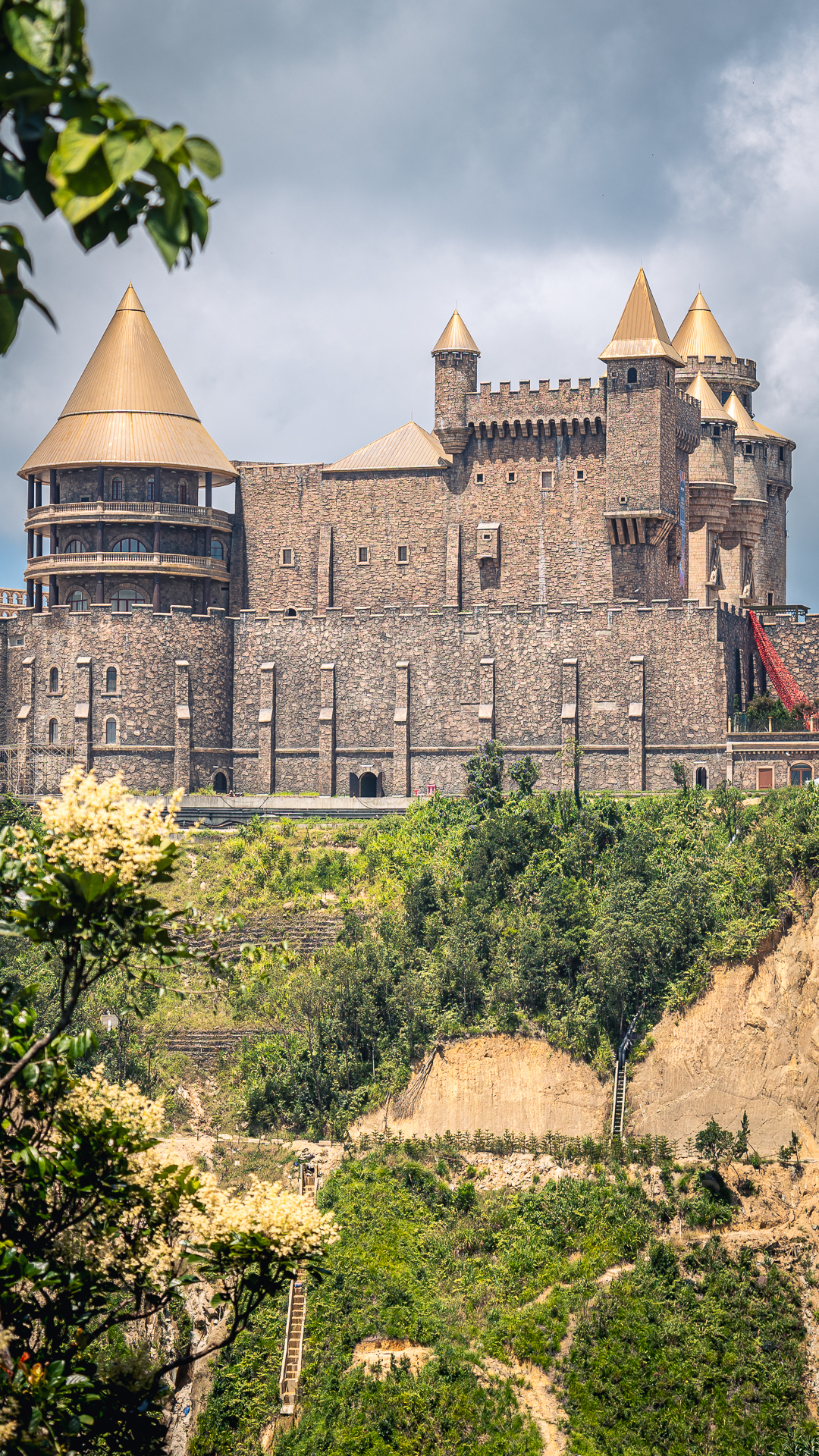
About an hour and a half from Hoi An, perched atop the Truong Son Mountains, Ba Na Hills is a surreal destination. Accessible via a scenic cable car journey, known as the Ba Na Hills Cable Car, recognized as the longest non-stop single track cable car in the world, the site offers panoramic views of lush landscapes. At the summit, a French village replica named “Debay Ancient Wine Cellar” awaits, surrounded by manicured gardens and whimsical architecture.
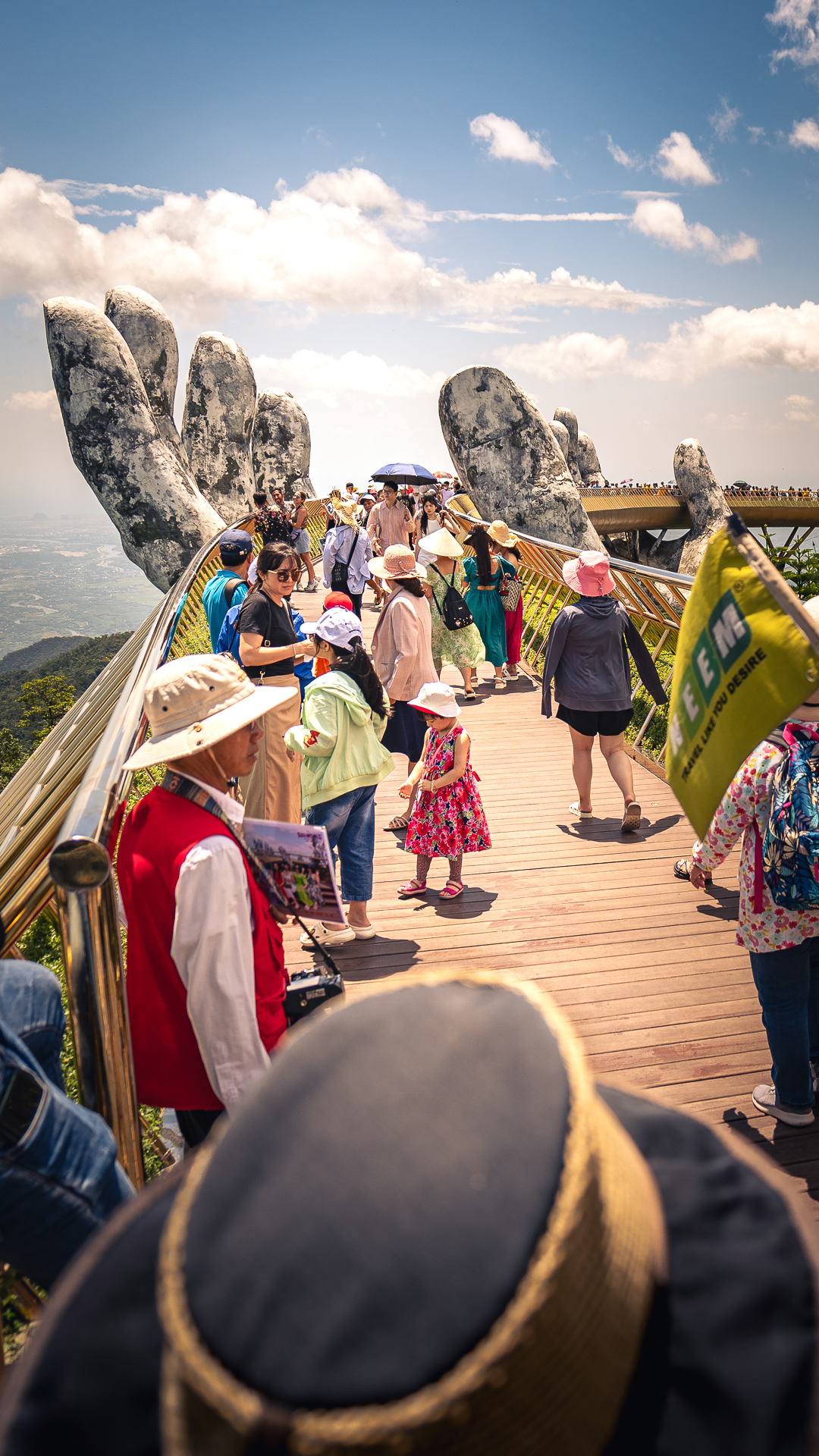
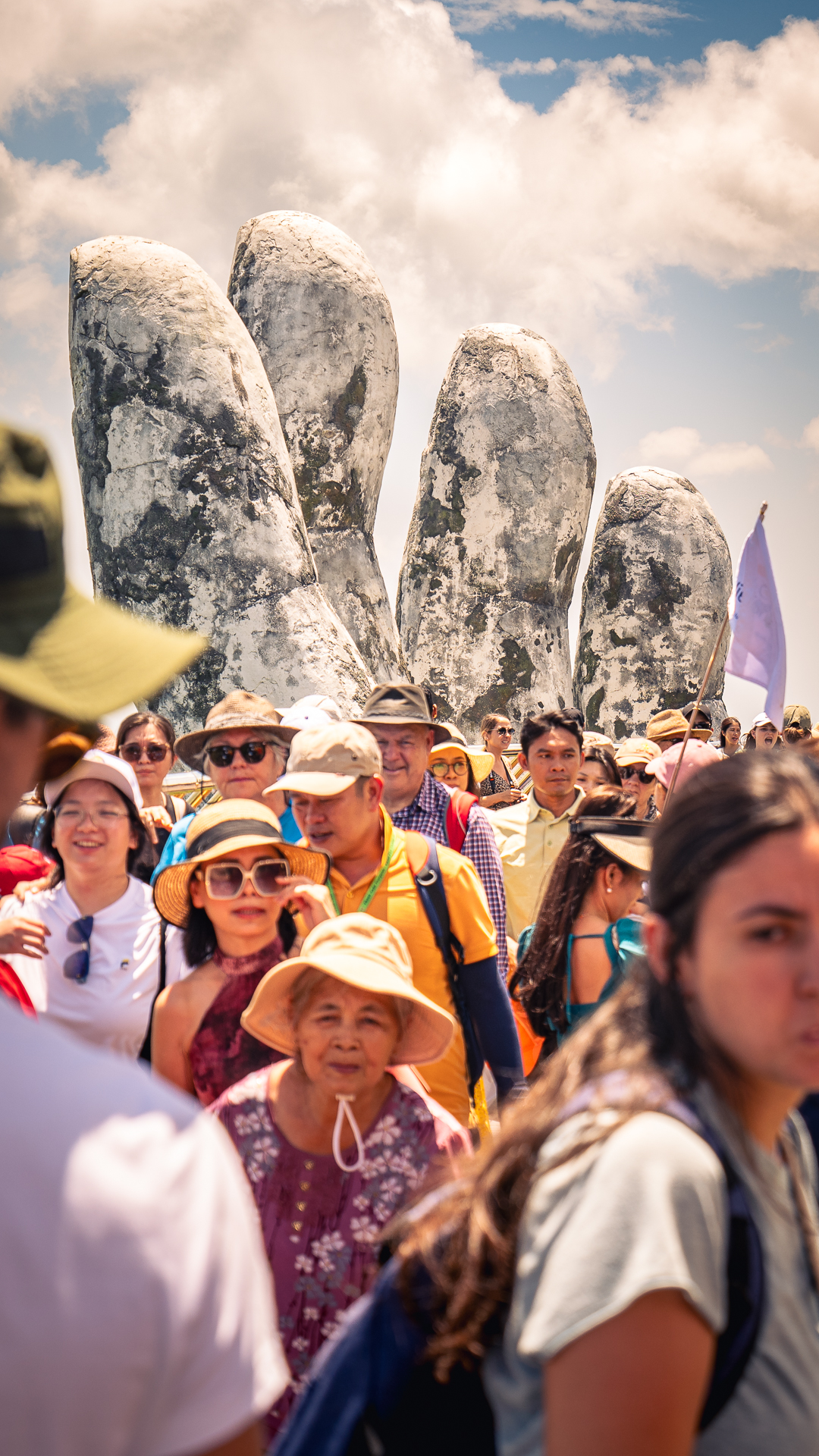
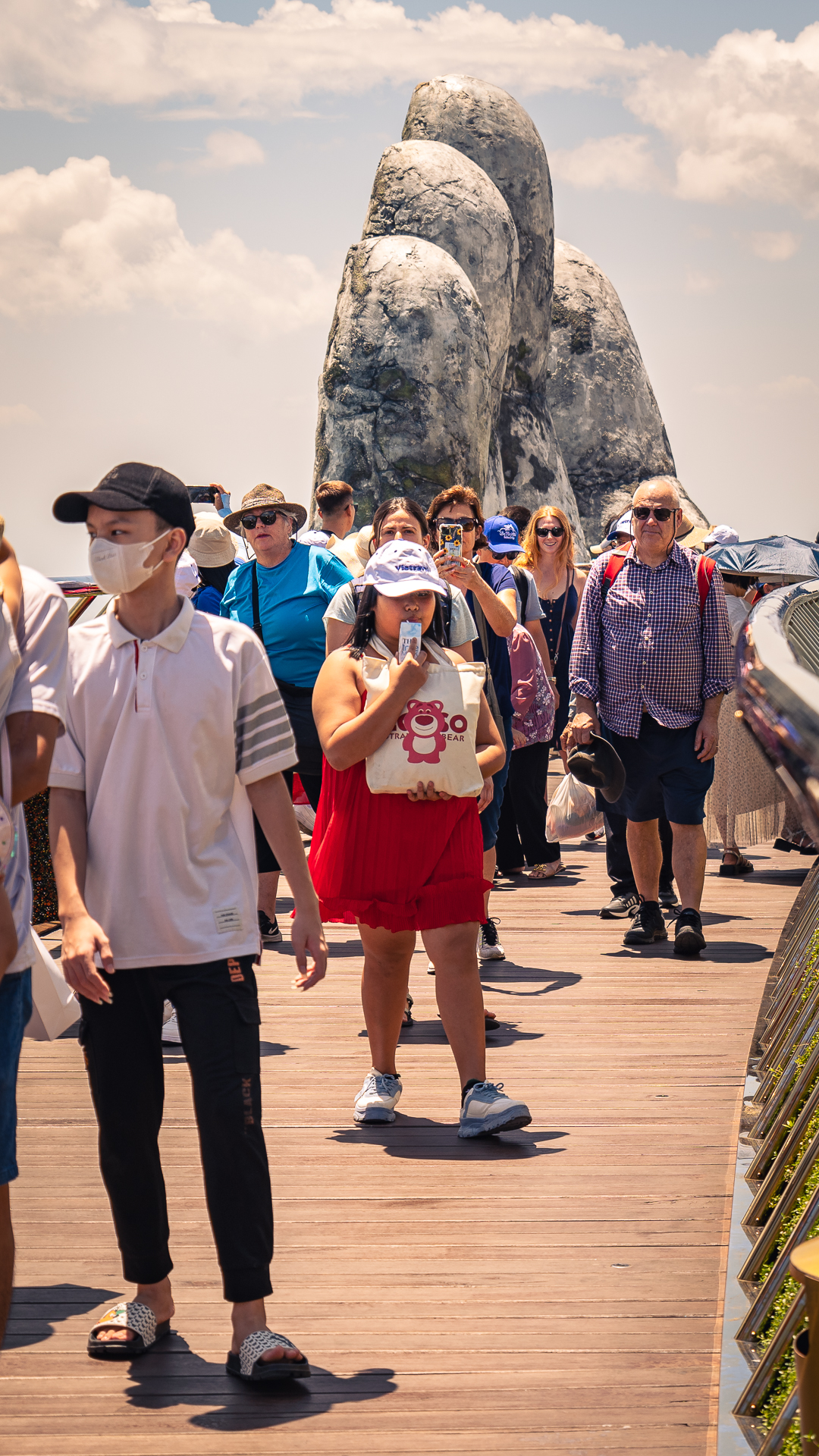
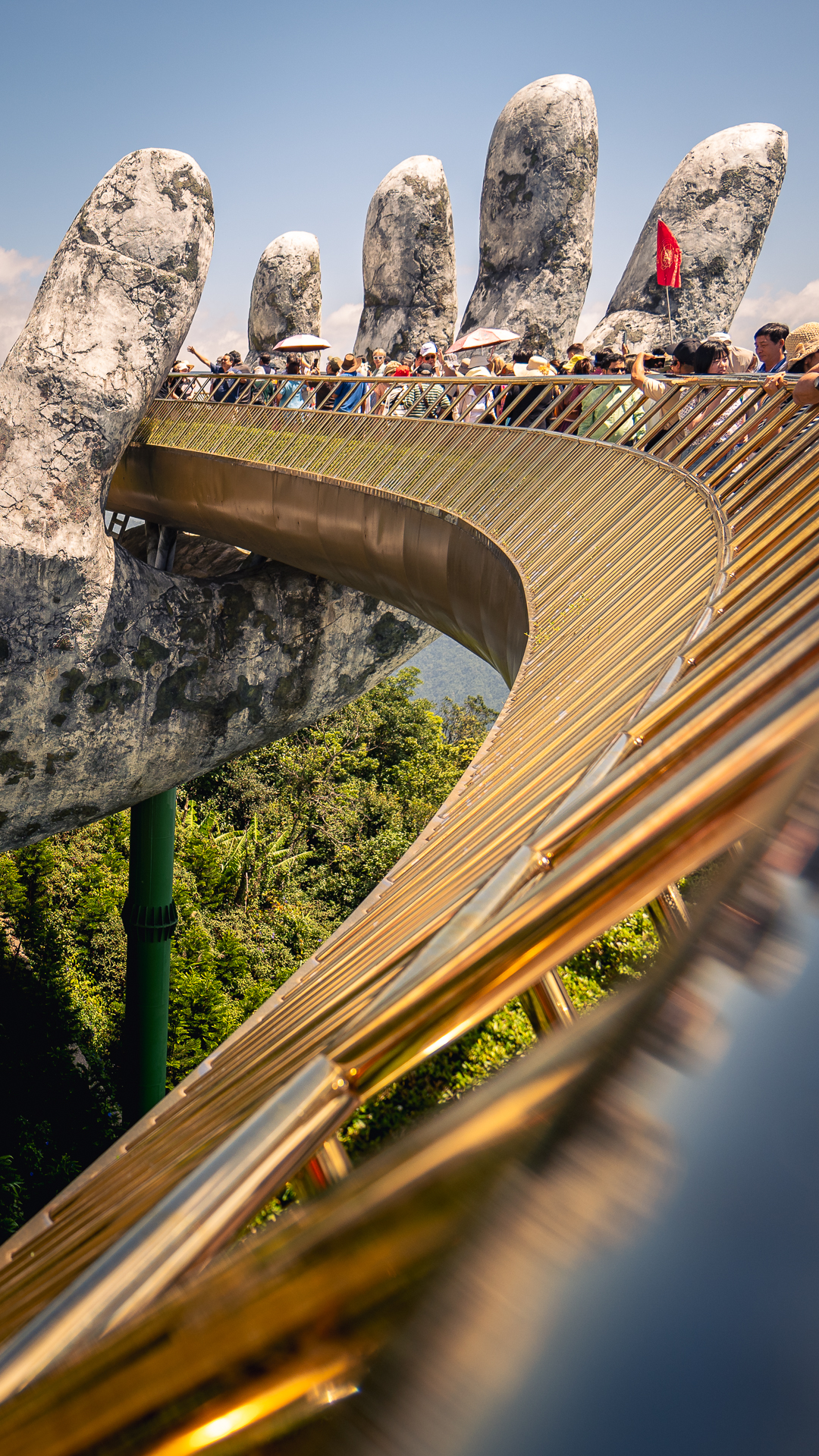
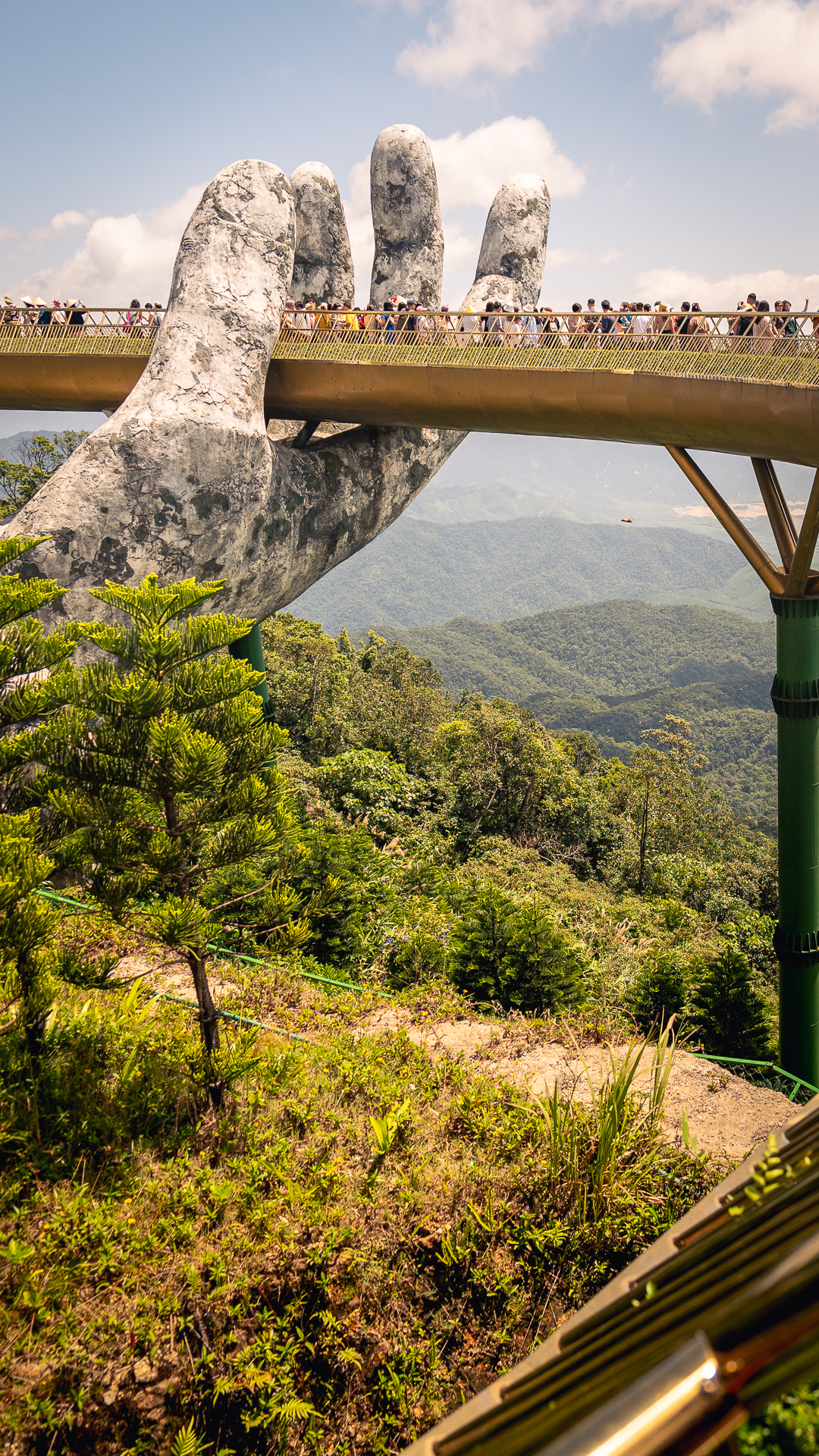
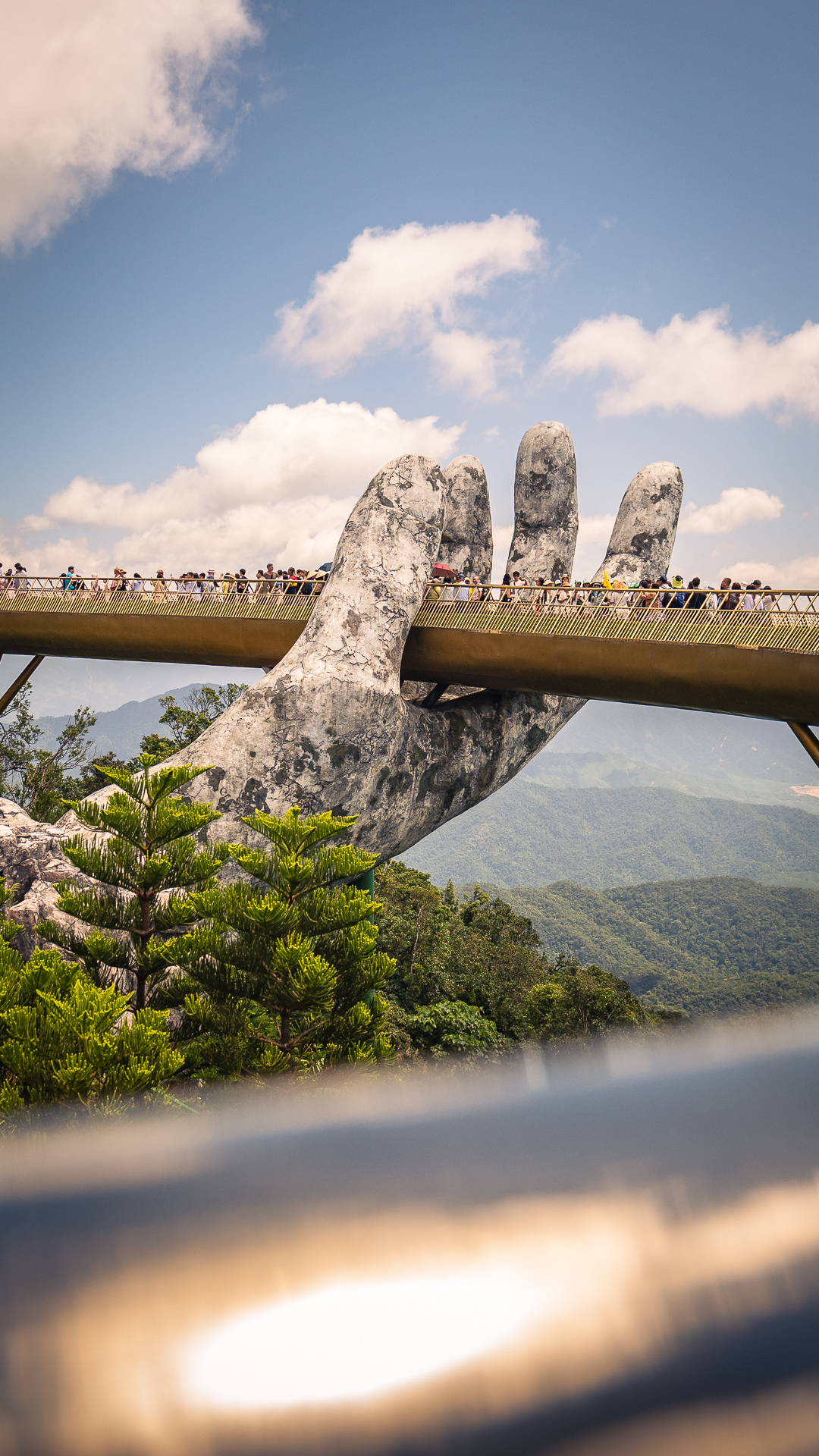
The Golden Bridge, a pedestrian walkway held by colossal stone hands, provides an awe-inspiring viewpoint amidst the misty peaks. Beyond the breathtaking scenery, Ba Na Hills offers a variety of attractions, including an amusement park, Linh Ung Pagoda, and Fantasy Park, making it a multifaceted destination that seamlessly combines natural beauty with entertainment and cultural elements.

Next stop… Ho Chi Minh.

 The Shortbread Shed